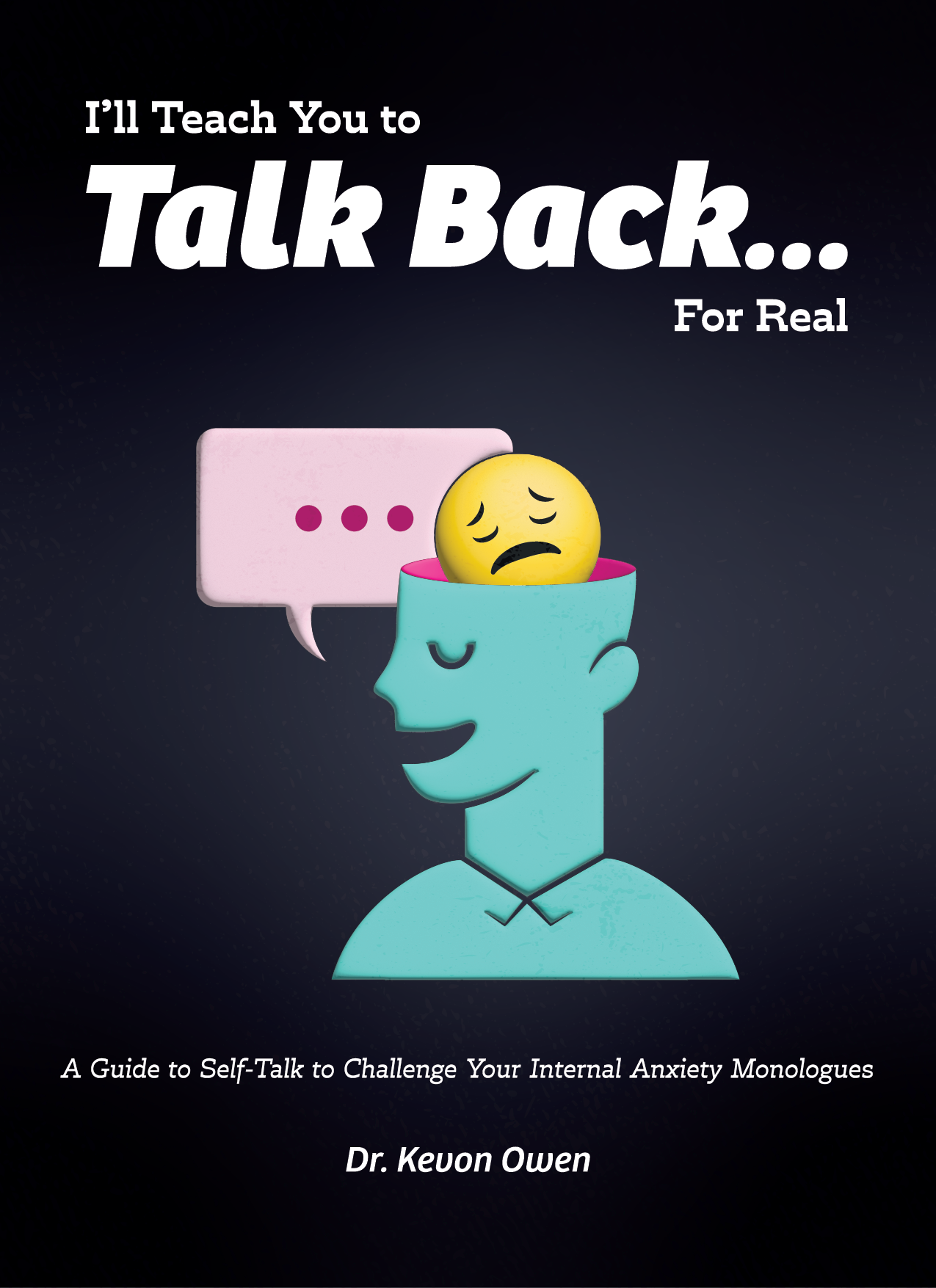
Gratitude is often framed as a quick fix, yet many people give up on the habit after a few days because it feels forced, repetitive, or disconnected from real life. A simple gratitude practice that lasts is usually small, flexible, and grounded in daily experience. For people navigating stress, grief, anxiety, relationship strain, or burnout, gratitude is not about pretending everything is fine. It is about training attention to notice what is still supportive, steady, meaningful, or good, even during hard seasons. When practiced realistically, gratitude can support emotional balance, strengthen relationships, and help create healthier thought patterns over time.
Many people start a gratitude journal with strong motivation, then abandon it within a week. The problem is rarely a lack of good intention. The problem is that the practice often feels too big, too vague, or too polished. Writing ten perfect things every night can become one more task on an already crowded list. A lasting gratitude habit works better when it is short enough to repeat and honest enough to feel true.
That is especially important in counseling settings. Gratitude is not meant to replace treatment for depression, anxiety, trauma, or chronic stress. It can, however, become a practical tool that supports therapy goals when used with care. A simple daily rhythm can help people slow down, notice what is working, and reconnect with sources of comfort, stability, meaning, faith, and support.
In Oklahoma City, many people are balancing family responsibilities, work strain, church life, caregiving, financial pressure, and the emotional weight of modern living. A gratitude practice that actually sticks needs to fit real schedules and real emotions. It should work on busy weekdays, difficult mornings, and nights when energy is low. The most helpful version is often not dramatic. It is steady, repeatable, and compassionate.
Why simple gratitude works better than forced positivity
Gratitude is often misunderstood as a demand to stay upbeat. That approach can backfire. When gratitude is framed as “just be positive,” people may feel guilty for struggling. Healthy gratitude does something different. It makes room for pain while also making room for what remains good and meaningful.
A practical gratitude habit can support mental wellness in several ways. It may help shift attention away from constant threat scanning. It can make daily stress feel less all-consuming. It may also strengthen awareness of supportive relationships, personal values, spiritual anchors, and everyday moments of relief. For some people, gratitude becomes a bridge between emotional survival and deeper healing work.
The key is keeping the practice grounded. Instead of chasing profound insights every day, it helps to notice what is concrete and specific. A warm meal. A calm drive home. A text from a friend. Five quiet minutes before work. Prayer that brings peace. A counselor who listens without judgment. Specific gratitude is easier to remember and easier to repeat.
The “three small things” method
One of the easiest ways to make gratitude stick is to lower the bar. Rather than writing a long journal entry, write down three small things from the day. Each item should be short and real. Examples might include “the house was quiet for ten minutes,” “a coworker was kind,” or “there was enough energy to finish one hard task.”
This method works because it is doable. It does not require perfect language, deep reflection, or extra time. It simply trains the mind to spot what is nourishing, helpful, or steady in ordinary life.
Attach gratitude to an existing routine.
Habits are easier to keep when they are linked to something already happening. Gratitude can be paired with morning coffee, an evening prayer routine, the school pickup line, a lunch break, or bedtime. The cue matters. When gratitude is attached to a familiar moment, it becomes less dependent on motivation.
For people in counseling, this can be especially useful. A therapist may suggest linking gratitude to an existing calming routine, such as breathing exercises, Scripture reading, journaling, or a wind-down practice before sleep.
What makes a gratitude practice stick over time
Consistency matters more than intensity. A gratitude practice that lasts feels realistic on hard days. It should still work when energy is low, stress is high, or emotions are mixed. That means the practice needs to allow honesty.
Some days, gratitude may sound joyful. The other day,s it may sound plain and simple: “There was enough strength to get through today.” That still counts. In fact, those are often the moments when gratitude becomes most meaningful. It is not performance. It is perspective.
Use prompts that feel personal.
Blank pages can make a habit harder to keep. Simple prompts can reduce that friction. Helpful prompts include: What brought relief today? Who showed care? What felt steady? What was better than expected? What part of the day felt peaceful? What reminded the heart that it is not alone?
These prompts are broad enough to work for different personalities and life seasons. They can also be adapted in Christian counseling settings to include prayer, Scripture, grace, forgiveness, or a sense of God’s presence in ordinary moments.
Keep it honest during difficult seasons.
People dealing with grief, conflict, panic, depression, trauma, or burnout may struggle with gratitude language that feels too bright. In those moments, it helps to scale the practice down. Gratitude might be as simple as noticing shelter, sleep, safety, support, or one caring person. It may be quiet, not cheerful. Quiet gratitude still has value.
This is one reason gratitude works best when held alongside counseling rather than used as a substitute for it. Emotional pain deserves care, not dismissal. A skilled therapist can help people use gratitude in a way that supports healing instead of covering wounds.
Did You Know? Oklahoma City routines can shape mental wellness.
In a city like Oklahoma City, daily life often includes long drives, packed schedules, family commitments, and strong community ties. That creates both stress and opportunity. Small habits often succeed here when they are built into existing rhythms rather than added as separate projects. A gratitude practice can happen in the car before going inside, after dinner, during a walk, or before turning out the light.
For many households, faith and family are central parts of daily life. Gratitude may fit naturally into prayer time, mealtime conversation, or an evening family check-in. Children, teens, adults, and couples can all use simple gratitude questions to build emotional awareness and connection. A habit that takes less than two minutes may still create meaningful change when it is repeated over time.
How gratitude supports counseling goals
Gratitude is not a cure-all, but it can support several common goals in therapy. It may help people identify strengths that get overlooked during stress. It can encourage more balanced thinking when the mind is locked onto what is wrong. It may also improve relationship awareness by helping people notice care, effort, and connection more clearly.
In couples counseling, gratitude can interrupt patterns of taking each other for granted. In individual therapy, it can support emotional regulation and help clients notice moments of progress. In Christian counseling, gratitude may also be connected to spiritual reflection, trust, humility, and hope.
The strongest gratitude practice is usually the one that fits the person. Some people prefer writing. Others respond better to expressing gratitude aloud, texting one thankful thought to a spouse, or reflecting silently during prayer. The format matters less than the consistency and sincerity behind it.
Simple examples for different life situations
A busy parent might keep a note on a phone and type three lines before bed. A teen might share one grateful moment at dinner. A couple might each name one thing appreciated about the other every night. A person healing from anxiety might pair gratitude with slow breathing in the morning. A person in grief might write down one thing that felt comforting that day.
Each version is small enough to keep going. That is the point. A gratitude practice does not need to look impressive to be effective.
Common Questions Around a Simple Gratitude Practice
What is the easiest gratitude practice to start?
The easiest place to start is writing or saying three specific things that felt good, helpful, calming, or meaningful during the day. Keeping the list short makes the habit easier to repeat.
How long does a gratitude practice take?
Most people can complete a simple gratitude routine in one to three minutes. A habit that takes very little time is often more sustainable than a longer journaling routine.
Can gratitude help with anxiety or stress?
Gratitude may support stress management by helping attention shift toward what is safe, supportive, and steady. It is best used as part of a broader wellness plan and can work well alongside professional counseling.
What if gratitude feels fake?
That usually means the practice is too forced or too big. Shrinking the habit can help. Focus on honest, specific observations instead of trying to sound positive. “A friend checked in today” is enough.
Should gratitude be part of therapy?
It can be a helpful tool in therapy when used thoughtfully. A counselor can help shape the practice so it fits the client’s goals, emotional state, and life circumstances.
A realistic next step for lasting change
A simple gratitude practice that actually sticks is usually not dramatic. It is short, honest, specific, and repeated in everyday life. Over time, that small act of noticing can influence mindset, emotional awareness, relationships, and spiritual reflection. It can help people see that even in stressful seasons, not everything is lost. There may still be support, care, meaning, grace, and hope worth naming.
For people who feel overwhelmed, stuck, emotionally exhausted, or uncertain about how to move forward, counseling can provide deeper support. Gratitude may be one tool in the process, but healing often grows best in the context of skilled guidance, compassionate listening, and a plan tailored to real life.
Call to Action: Support for emotional health, relationship challenges, faith-based counseling, and clinical psychotherapy is available through Kevon Owen Christian Counseling Clinical Psychotherapy OKC, located at 10101 S Pennsylvania Ave C, Oklahoma City, OK 73159. To schedule or learn more, call 405-740-1249 or 405-655-5180, or visit https://www.kevonowen.com.
Find Kevon Owen Christian Counseling, Clinical Psychotherapy, OKC
gratitude practice, gratitude journal, simple gratitude routine, mental wellness, Christian counseling Oklahoma City, psychotherapy OKC, anxiety counseling, stress management, emotional healing, couples counseling, therapy for burnout, gratitude and mental health, counseling near me Oklahoma City, faith-based counseling, daily gratitude habit
gratitude practice, mental health tips, Christian counseling, psychotherapy OKC, stress relief
Additional Resources
- National Institute of Mental Health
- Centers for Disease Control and Prevention – Mental Health
- MedlinePlus – Mental Health