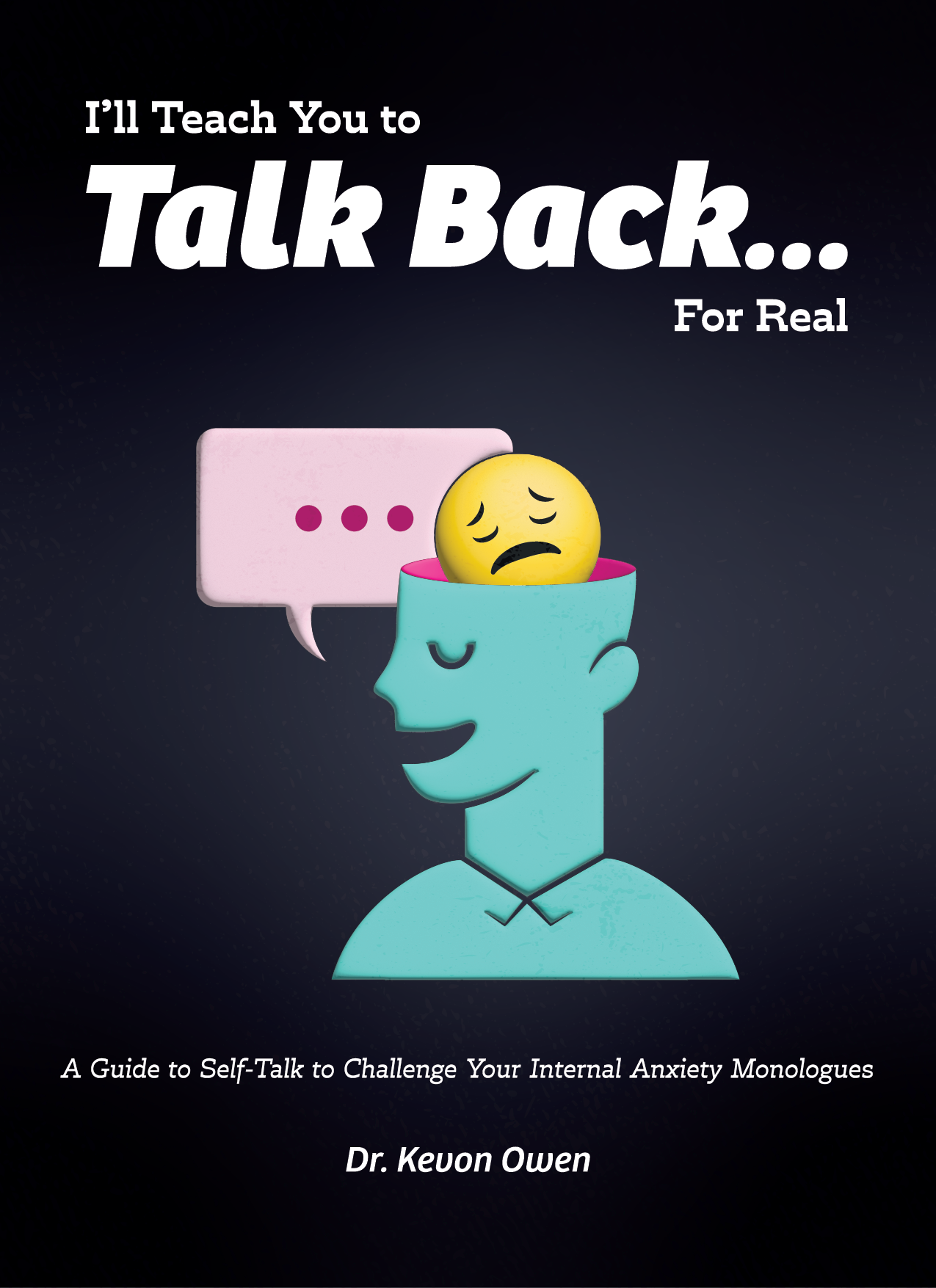

I had the pleasure of interviewing Kevon Owen. Kevon Owen is an experienced Christian Counselor and Licensed Clinical Professional Counselor with experience in inpatient and outpatient care and a history of working in the mental health care industry. Kevon is skilled in Christian Counseling and Cognitive Behavioral Therapy (CBT) for adults, children, and adolescents Therapy. Kevon also has extensive training in Relationship Therapy / Marriage Therapy and Family Therapy.
Can you tell us the “backstory” about what brought you to this specific career path?
I began my professional career as a youth minister. I had a huge passion for working with families and youth and helping them in their journey to becoming the people they want to be. It was in youth ministry that I began to realize that while spiritual issues were present in the people I was helping, mental health issues were often at play as well. I went back to school to learn how to help people deal with mental health issues and to learn to better differentiate what I was seeing. I believe that the common trend of stigmatizing mental health issues is writing mental illnesses off as character flaws. Understanding the nature of mental health issues changes them from being an unknown monster to something that can be overcome.
According to Mental Health America’s report, over 44 million Americans have a mental health condition. Yet there’s still a stigma about mental illness. Can you share a few reasons you think this is so?
People mistake the less endearing qualities of mental health issues as simply the excuses of other people. This is not to excuse inappropriate behavior, but symptoms written off is negativity on the verge of cruelty. Mental health issues cannot be ignored, just as people cannot ignore an issue with their physical health. If one is a diabetic, they would need insulin and this is something that should not be ignored. The mind has to be treated in order for the person to be healthy. However, this does not meant that people in society who are struggling with their own mental health or maybe the mental health of someone around them, or maybe who has not seen it before to be unsympathetic towards it.
A lot of movies demonstrate unrealistic and badly exaggerated examples of mental illness and the treatment of it. As if the criminal and tragic portrayals weren’t enough to confuse reality, let’s see people electrocuted, locked up, and medicated to the point of being drooling zombies. Ever worked in a psych hospital? Here is what one would see most of the time — people who need meds to be balanced so they could return to their real life. Sure, some days are busier than others, but it is never an episode of Gotham or American Horror Story. Group therapy, psychoeducation, and medical help are life changing, but reality can be boring. Nearly no one goes to prison.
Meds. We are reluctant to think that a pill can change the way we feel. If you need meds .. that would be crazy. “Go take your meds.” People say this as a means of making people feel as though their behavior is inappropriate. Then they become cranky and irritable and identify as “hangry.” See, it’s ok for changes in insulin levels to change the way you react, but the view is different for serotonin. All the things we don’t understand lead to stigmas.
Can you tell our readers about how you are helping to de-stigmatize the focus on mental wellness?
I work to remove the stigma on mental illness by working to empower clients to understand and take control of mental illness. It is a long fight with many battles to overcome mental illness, but when individuals know how to fight, they will know how to win. People are more than their diagnoses. Individuals with mental illness who are empowered will be defined by how they handle their challenges. The stigma will be beaten by individuals who know they don’t have to live in fear of the challenges they’re fighting.
I also regularly works to help individuals understand the nature of psych meds. They are not a magic pill that makes your problems go away, and they are not chemical mind control. They are a treatment for mental and physiological symptoms. People don’t think twice about taking vitamins, but if their body is not producing enough of a chemical it needs, they become anxious and believe it’s a character flaw…. Why? The stigma. When meds are used correctly and the expectations for their scope of impact are correct, the world can be a very different space.
Was there a story behind why you decided to launch this initiative?
It began when I was working in the hospital around very sick people who had lost much because of their mental illness, and many of them had resigned to a lesser existence because they were sick. Many of them had been brought to the hospital in handcuffs, sometimes because it was necessary for their safety and the safety of others, but some of the time it was just because that’s how some people transport the psych patients. Where there is no hope there will be no fight to overcome. Eventually I discovered the stigma is just as present in outpatient counseling with people who have more resources and are not as sick. The stigma has to be overcome so individuals can receive the care they need and deserve, and so they can feel like they have the power to overcome it.
In your experience, what should a) individuals b) society, and c) the government do to better support people suffering from mental illness?
When individuals do a better job of supporting people suffering from mental illness, society and the government will follow. Change what you can change. Shine light where you have the power to do so, and watch how the world changes. How could it not?
What are your 6 strategies you use to promote your own wellbeing and mental wellness? Can you please give a story or example for each?
1. I am a firm believer that my faith in Jesus Christ gives me hope and motivation when times are difficult. 12 step programs may call it having a higher power. To me it is more and provides guidance for how to show kindness and how to show love when it’s hard to do.
2. I exercise 5 days a week. Research shows exercise is the most effective long term treatment for depression out there. After long days of high pressure, very few things allow your mind to relax and release dopamine.
3. Dogs. I have two of the most incredible animals, and their love and acceptance is there even after long days.
4. I am a part of a local church. This provides me with opportunities for socialization and encouragement from friends. This also provides opportunities to serve my community and give back.
5. I spend time hiking and walking outdoor trails. Fresh air and sunshine revitalize me and give me perspective that there is much more out there than the troubles of the day that I sometimes need to look past.
6. I have gone back to school again. I regularly do things to engage my mind and to encourage accomplishment and sharpening. It helps me and helps my clients to have the best version of their therapist that they can have.
What are your favorite books, podcasts, or resources that inspire you to be a mental health champion?
Anything by Irvin Yalom because of his demonstration of continuing see clients and patients as people and genuinely caring for them. Victor Frankl because of his ability to convey there is hope in the most hopeless of situations. Albert Ellis because he’s empowering and logical for real people wanting to change their life.
This article was first published on Medium and can be read at this link. To speak with Kevon or make an appointment for Christian counseling services please call 405-740-1249 or you can visit his website at https://www.kevonowen.com.