Summertime Routine Helps Keep Teens Healthy
Creating a structured summertime routine is crucial for promoting health and wellness in teenagers. During the summer, the lack of school-based routines can lead to erratic sleep patterns, inconsistent eating habits, and reduced physical activity, negatively impacting a teenager’s physical and mental health. This article explores practical ways to establish a healthy summertime routine that keeps teens engaged, active, and mentally sharp.
The Importance of Structure
For teenagers, the summer break is often viewed as a time for relaxation and freedom from the structured school year. However, the sudden drop in organized activities can disrupt their internal body clocks and lead to unhealthy habits. Establishing a routine helps maintain order and prevent the summer slide in academic skills and physical health.
Critical Components of a Healthy Summer Routine
Consistent Sleep Patterns
Maintaining a regular sleep schedule is crucial for teenagers. Experts recommend that teens get about 8 to 10 hours of sleep per night. To help enforce this, parents can encourage a consistent bedtime and wake-up time that differs by no more than an hour from their school-year schedule. This consistency helps regulate their body’s internal clock and improves overall sleep quality.
Nutritious Eating Habits
With more free time and less structured meals, teens might gravitate towards unhealthy snacks or irregular meal times. Parents can involve teens in preparing balanced meals and encouraging better eating habits. Stocking the kitchen with healthy snacks like fruits, vegetables, and nuts and setting specific meal times can help maintain a balanced diet.
Physical Activity
Physical activity is often reduced in the summer due to the lack of organized sports and physical education classes. Encouraging daily exercise is vital for maintaining physical health and enhancing mood. Whether it’s a family walk after dinner, swimming, cycling, or joining a sports team, getting at least 60 minutes of physical activity daily is beneficial for teens.
Intellectual Engagement
Intellectual engagement should be part of a teen’s routine to prevent the loss of academic skills over the summer. This can include reading books, visiting museums, taking online courses, or engaging in creative writing. Local libraries often offer summer reading programs and workshops that can keep teens intellectually stimulated.
Social Interaction
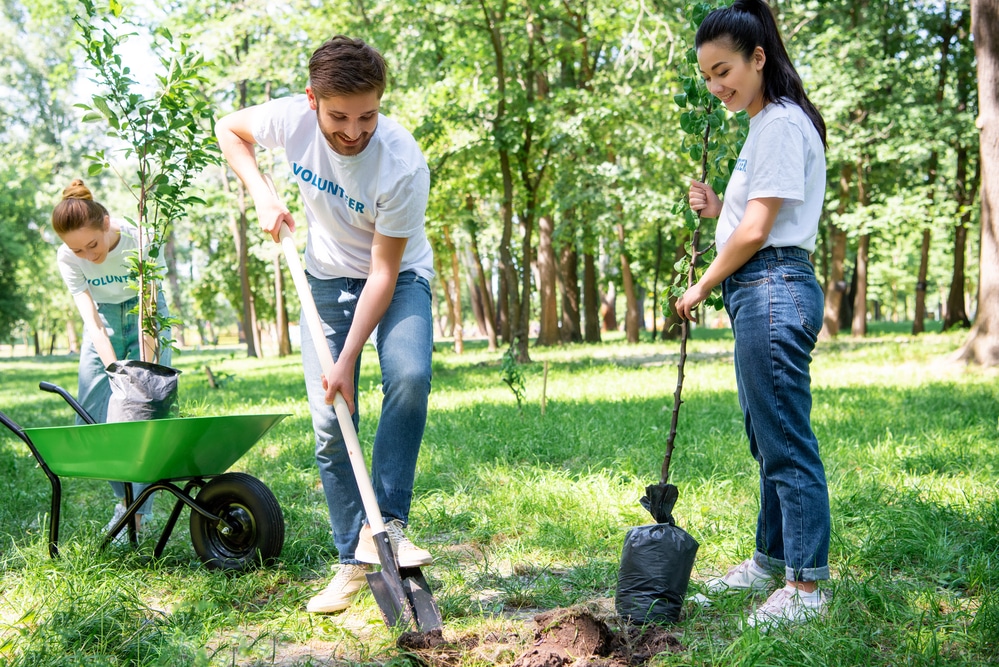
Summer is an ideal time for teens to socialize and develop interpersonal skills. Parents can encourage their teens to stay connected with friends through social activities like sports, clubs, or volunteer work. Additionally, family outings and trips can strengthen family bonds and provide relaxing and fun ways to interact.
Personal Development
Summertime offers teens an excellent opportunity to explore new interests or deepen existing ones. This might involve learning a musical instrument, starting a blog, or developing a new hobby. Such activities can boost self-esteem and provide a sense of accomplishment.
Implementing the Routine
Creating a summer routine doesn’t mean the schedule has to be rigid. It’s beneficial to strike a balance between structured activities and free time, allowing teens to enjoy spontaneity and relaxation as well.
Involvement in the Planning Process
Involving teens in planning their summer routine can make them more likely to stick to it. Giving them a say in their activities makes them feel more autonomous and responsible.
Flexibility and Adjustments
It’s essential to be flexible with the routine. As summer progresses, some activities may not be as enjoyable or feasible as initially thought. Being open to adjustments can keep the routine fresh and responsive to a teen’s evolving interests.
Final Thoughts
A well-rounded summertime routine is invaluable in keeping teens physically and mentally healthy. By establishing a routine that includes consistent sleep, nutritious eating, physical activity, intellectual engagement, social interaction, and personal development, parents can help their teens make the most of their summer break productively and enjoyably.