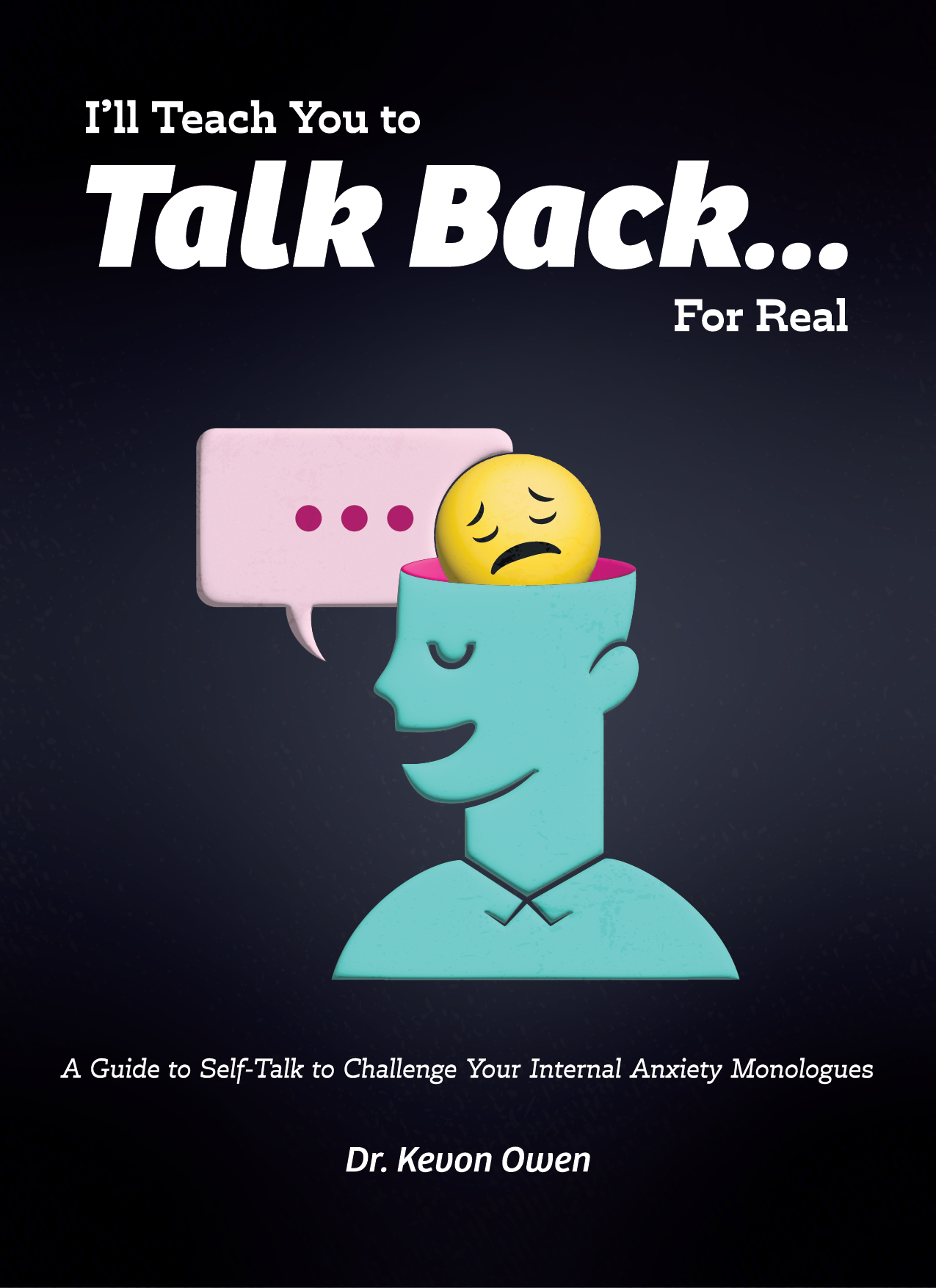
Understanding Anxiety: Causes and Solutions
Anxiety can feel overwhelming, but it is also highly treatable. With the proper support, education, and tools, many people learn to calm their minds, reconnect with daily life, and move forward with confidence.
Feeling nervous before a big test, interview, or doctor visit is part of being human. Anxiety becomes a problem when worry, fear, and physical tension show up often, feel hard to control, and start to interfere with work, school, relationships, or faith life.
This guide explains what anxiety is, how symptoms show up in the body and mind, what tends to cause anxiety, and which solutions are backed by research. It also shares how people in Oklahoma City can find practical, compassionate help through counseling and local resources.
What Is Anxiety?
Anxiety is the body’s alarm system. It prepares a person to face danger or challenge by raising heart rate, sharpening focus, and sending a burst of energy. In short bursts, that alarm is helpful. When anxiety hangs around, fires too often, or fires when there is no real threat, it can turn into an anxiety disorder that affects everyday life.
Anxiety disorders are a group of mental health conditions where fear, worry, or panic are strong, long-lasting, and out of proportion to the situation. Common forms include generalized anxiety disorder, panic disorder, social anxiety, phobias, and anxiety linked with trauma. These conditions can affect adults, teens, and children.
National health surveys show that a significant share of adults report regular feelings of worry, nervousness, or anxiety, which means no one is facing this alone.
Common Symptoms of Anxiety
Anxiety touches thoughts, emotions, and the body at the same time. Some symptoms are easy to spot, while others look like stomach problems, headaches, or trouble sleeping rather than “stress.”
- Racing or pounding heart, shortness of breath, or chest tightness
- Restlessness, feeling “on edge,” or a sense of dread
- Muscle tension, headaches, upset stomach, or frequent bathroom trips
- Difficulty concentrating, mind going blank, or constant “what if” thoughts
- Trouble falling asleep, staying asleep, or waking up unrefreshed
People with anxiety may also feel irritable, tearful, or easily overwhelmed. For some, anxiety peaks in sudden waves called panic attacks, which can include intense fear, shaking, sweating, chest pain, and a strong feeling that something terrible is about to happen. :contentReference[oaicite:2]{index=2}
In generalized anxiety disorder, worry shows up on most days for at least several months and is hard to control. People might worry about health, finances, relationships, school performance, or safety, even when nothing specific is wrong.
What Causes Anxiety?
Biology and brain chemistry
Anxiety is not a sign of weakness. Research points to changes in brain chemistry, stress hormones, and how parts of the brain handle fear and emotion. Family history can increase risk, but genes do not decide everything. Environment, coping skills, and support also play strong roles.
Life experiences and trauma
Stressful or frightening events, such as accidents, medical emergencies, unhealthy relationships, or loss, can leave the nervous system on high alert. Growing up in a chaotic, conflict-ridden, or unpredictable environment can also train the body to stay tense and watchful, even in safe situations.
Everyday stressors that build up
Work pressure, financial strain, school demands, health concerns, and caregiving can quietly wear people down over time. When responsibilities stack up without enough rest or support, anxiety often rises. Anxiety can also appear alongside depression, especially when stress is long-term or starts early in life.
Local Spotlight: Anxiety Support in Oklahoma City
Oklahoma City has been working to expand mental health services and improve how the community responds to people in emotional crisis. Local efforts include partnerships between first responders, mental health teams, nonprofit groups, and hospitals to offer safer, more compassionate support during high-stress moments.
Residents who struggle with anxiety can combine private counseling with community options such as support groups, education classes, and crisis services. Many programs welcome family members, spouses, and close friends so that loved ones learn how to respond to anxiety in helpful and calming ways.
For those in south Oklahoma City and nearby areas, in-person counseling at a trusted local practice can be an essential anchor, mainly when anxiety affects faith, marriage, parenting, or work life.
Evidence-Based Solutions for Anxiety
Counseling and psychotherapy
Talk therapy is one of the most effective treatments for anxiety. Cognitive-behavioral therapy (CBT) helps people notice anxious thought patterns, test them against facts, and gradually choose more balanced thoughts and behaviors. Exposure-based approaches gently guide people to face feared situations in small, safe steps, so the brain learns that it does not need to sound the alarm. :contentReference[oaicite:7]{index=7}
Many counselors also teach skills such as grounding, breathing exercises, problem-solving, and communication tools for relationships. When counseling is grounded in Christian faith, sessions can also include prayer, scripture, and spiritual reflection for those who desire it, tying together emotional and spiritual healing.
Medication and medical care
For some people, anxiety symptoms remain intense even with healthy routines and counseling. Medications such as certain antidepressants or anti-anxiety medicines can lower the volume of symptoms so that daily life and therapy feel more manageable. These decisions are always made with a medical provider who can review the patient’s health history, current medications, and potential risks. :contentReference[oaicite:8]{index=8}
Everyday coping strategies that support recovery
Lifestyle steps will not erase every anxious feeling, but they can ease the load on the nervous system. Helpful practices include regular movement, steady sleep routines, consistent meals, limited caffeine and alcohol, and set times to unplug from news or social media. Intentional relaxation such as deep breathing, muscle relaxation, and quiet prayer can train the body to shift from “alarm” to “rest” mode over time. :contentReference[oaicite:9]{index=9}
Supportive relationships are also crucial. Sharing struggles with trusted friends, family, or a faith community can reduce shame and isolation, which often make anxiety feel worse.
How Kevon Owen Christian Counseling Clinical Psychotherapy OKC Can Help
Kevon Owen Christian Counseling Clinical Psychotherapy OKC serves individuals, couples, and families who want both clinical skill and a faith-informed perspective. The practice walks with clients facing generalized anxiety, panic attacks, social anxiety, work stress, and anxiety connected to family conflict or spiritual questions.
Sessions focus on real, practical goals such as sleeping better, lowering daily worry, rebuilding confidence, improving communication, and healing strained relationships. Evidence-based counseling approaches are combined with Christian values for those who request this blend, honoring each person’s beliefs and comfort level.
The office is conveniently located at 10101 S Pennsylvania Ave C, Oklahoma City, OK 73159. Appointments can be requested by calling 405-740-1249 or 405-655-5180 or by visiting https://www.kevonowen.com.
Whether someone is experiencing constant worry, physical symptoms of anxiety, or a sense of spiritual unrest, steady support from a trained counselor can create space for calm, clarity, and hope.
Common Questions Around Anxiety
Is anxiety normal or a sign of a disorder?
Anxiety is normal when it shows up during stressful or important moments and fades once the situation passes. It becomes a disorder when worry or fear is frequent, complex to control, and starts to interfere with work, school, relationships, or health.
When should someone in Oklahoma City seek professional help for anxiety?
Professional help is wise when anxiety lasts for weeks, keeps returning, or leads to avoidance of people, places, or tasks. Support is also essential when sleep, appetite, grades, work performance, parenting, or faith practices start to suffer. Anyone having thoughts of self-harm or feeling unsafe should seek immediate help by calling 988 or local emergency services.
Can anxiety be treated without medication?
Many people improve through counseling, lifestyle changes, and strong support systems without medication. For others, medication plus counseling offers the best relief. A licensed mental health provider and medical professional can help decide which mix fits a person’s symptoms, health, and preferences.
Does faith really make a difference with anxiety?
For many, faith offers meaning, comfort, and a sense of being held when life feels uncertain. Christian counseling can connect spiritual practices with practical skills, helping people renew hope while also learning tools to calm the body and mind. Faith does not remove every problem, but it can shape how a person faces anxiety and suffering.
Additional Resources
For clear information about anxiety disorders, visit the
National Institute of Mental Health: Anxiety Disorders
To understand how worry and anxiety affect daily life and to find coping ideas, explore the
Centers for Disease Control and Prevention’s worry and anxiety resource
For an overview of anxiety conditions, symptoms, and diagnosis, see the
Anxiety disorder article on Wikipedia
Expand Your Knowledge
To learn more about different types of anxiety disorders, causes, and treatments, the
Cleveland Clinic overview of anxiety disorders
Parents and caregivers can learn about anxiety and depression in children through the
CDC’s child mental health anxiety and depression page
For brochures and fact sheets on stress and anxiety across different ages, visit
NIMH’s collection of anxiety disorder publications
Anxiety symptoms, anxiety causes, anxiety solutions, Christian counseling in Oklahoma City, clinical psychotherapy OKC, faith and mental health, panic attacks help OKC, generalized anxiety treatment, local anxiety therapist, Oklahoma City counseling