

17 Relationship Trouble Signs You Should Never Ignore

Apr 26, 2019 | Clinical Psychotherpy

marriage counseling edmond okla

Unhappy woman standing with arms crossed in quarrel with her husband at home


Every relationship has its ups and downs. The challenge for most people, however, is knowing when a “down” is actually just a routine bump in the road and not a larger, more deep-rooted issue. And if you’re not careful, what may seem like a minor hiccup to you could be the very thing that causes your significant other to throw in the towel.

To save you from being blindsided by your partner packing their bags, we’ve talked to psychologists and relationship experts who spell out some of the relationship trouble signs you should never ignore.

Kevon Owen is a featured contributor to this article. To read the article please follow this link. https://pressfrom.info/us/lifestyle/family-relationships/-262891-17-relationship-trouble-signs-you-should-never-ignore.html
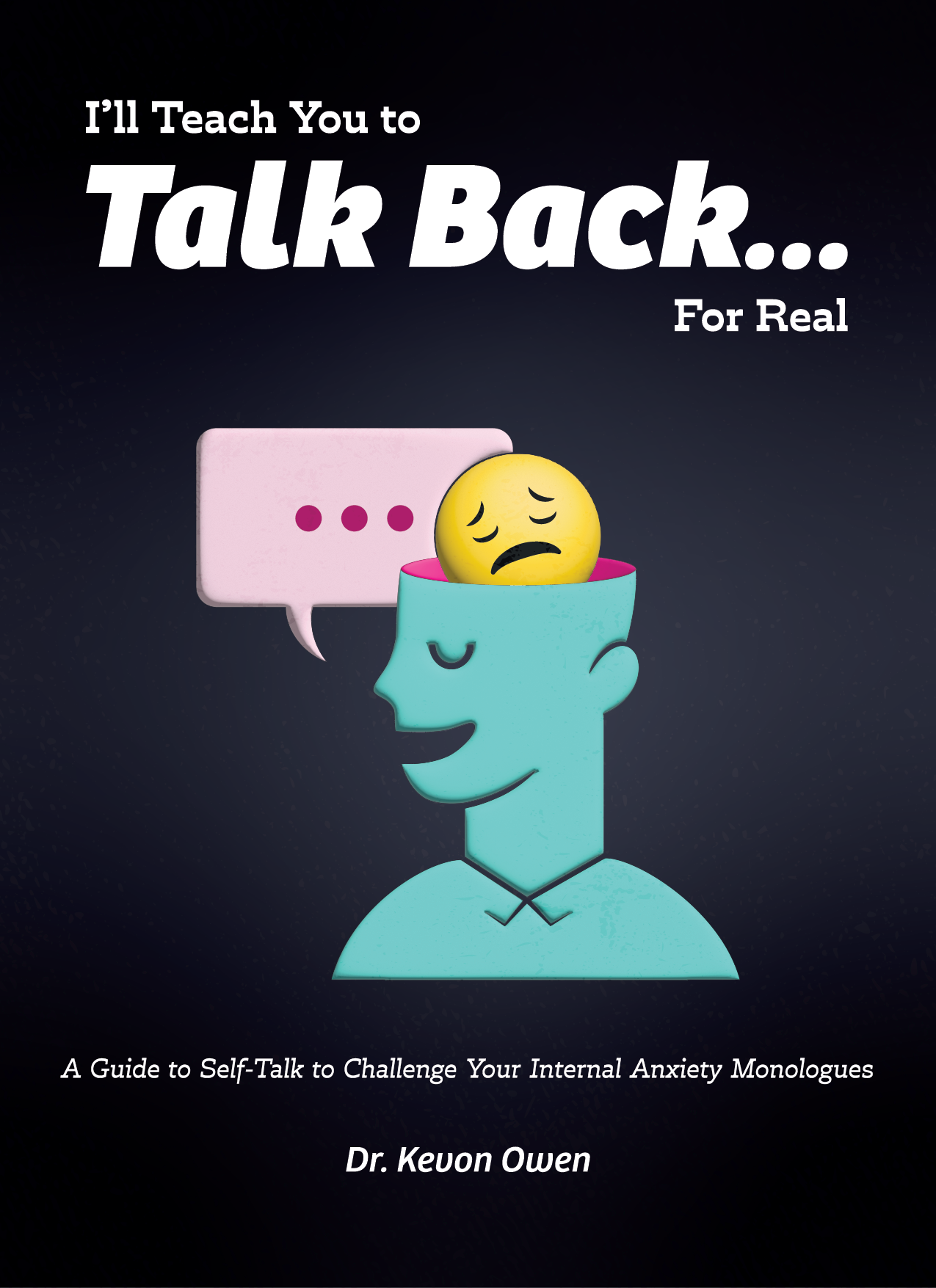
Upcoming Books

Recent Post

Breathing Tools for Stress: Quick Techniques You Can Use Anywhere

Stress can rise fast during a tense meeting, a hard conversation, a traffic jam, a school pickup, or a restless night. Breathing tools offer a simple way to slow the body’s alarm response and create a small pocket of calm. They do not fix every problem, but they can...

The Journey of Healing

 Healing is rarely instant. For many people, it is a journey filled with growth, reflection, setbacks, faith, and renewed hope. In this video, the focus is on how Christian counseling can help individuals navigate anxiety, depression, stress, trauma, relationship...

Family Meetings Made Easy: A Plan for Better Home Communication

Family meetings can turn daily stress into steady, honest communication. When handled with a simple plan, these conversations help parents and children solve problems, share responsibilities, reduce conflict, and build trust at home. A regular meeting does not need to...

Living with Bipolar Disorder: Building a Steady Routine

Living with bipolar disorder often means learning how to protect stability, lower stress, and notice early signs of change before life feels unsteady. A daily routine cannot erase every symptom, but it can support treatment, reduce chaos, and make each day feel more...

Affirmations That Feel Real: Reframing Negative Patterns

 Affirmations can be helpful, but only when they feel believable. A statement that feels forced is often rejected by the very inner voice it is meant to calm. When someone is stuck in a cycle of shame, fear, self-criticism, or hopeless thinking, repeating a phrase...

PTSD Symptoms People Often Miss

Post-traumatic stress disorder is often reduced to flashbacks and nightmares, but many overlooked symptoms show up in quieter ways. Trouble sleeping, irritability, emotional numbness, shame, avoidance, body tension, concentration problems, and a constant sense of...

A Simple Gratitude Practice That Actually Sticks

Gratitude is often framed as a quick fix, yet many people give up on the habit after a few days because it feels forced, repetitive, or disconnected from real life. A simple gratitude practice that lasts is usually small, flexible, and grounded in daily experience....

Depression Signs and When It’s Time to Get Help

    Depression is one of the most common mental health conditions in the United States, yet it remains one of the most misunderstood. Millions of people live with depression for months or even years before recognizing it for what it is — or before reaching...

Time Management That Protects Your Work-Life Balance

 Better time management is not about squeezing more work into the day. It is about protecting energy, relationships, sleep, and mental health while still meeting real responsibilities. This guide explains practical scheduling, boundary-setting, and stress-management...