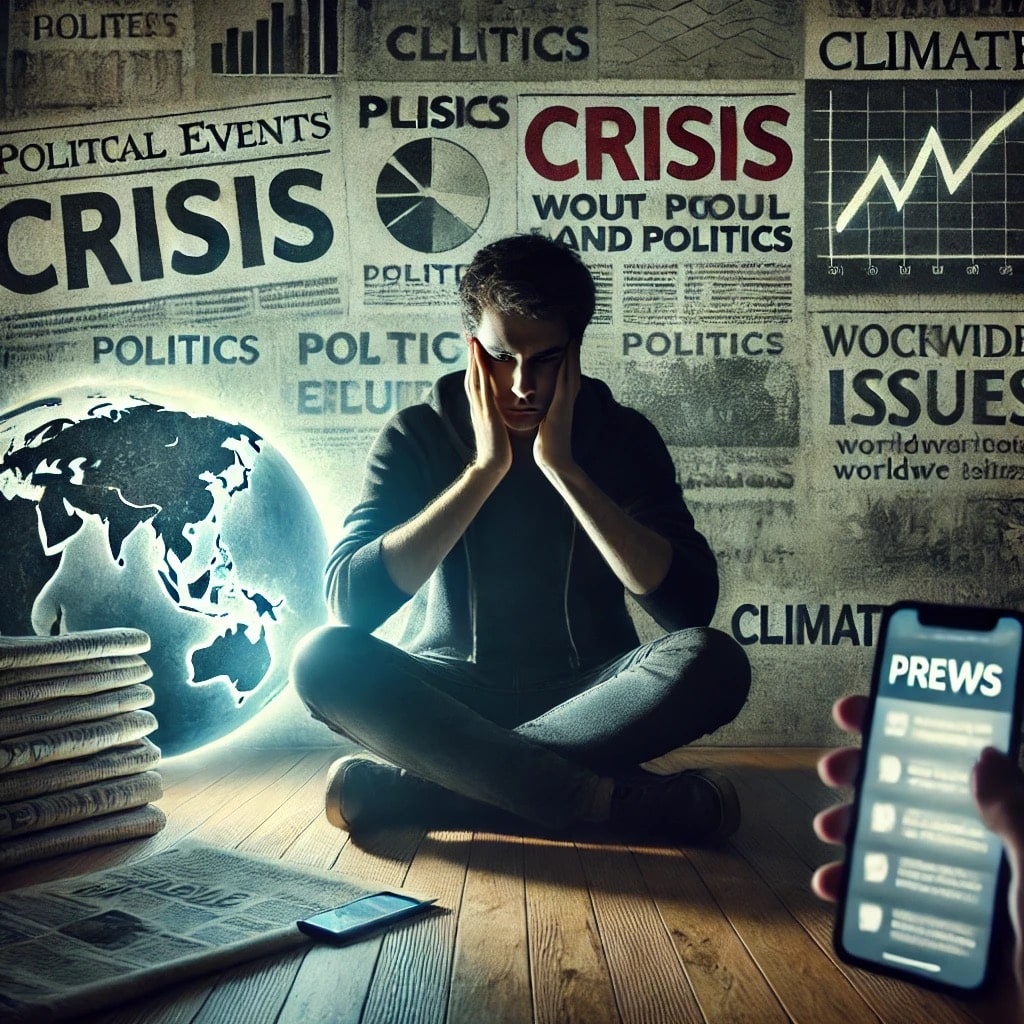
In today’s hyper-connected world, avoiding news updates on political events and world crises is almost impossible. However, for many, the constant stream of information can lead to heightened anxiety and stress, often known as “news-related stress.” This form of anxiety can manifest physically and emotionally, affecting mental health and well-being. Understanding the impact of news-induced anxiety, recognizing personal triggers, and developing healthy coping strategies can make a significant difference in managing these effects.
What is News-Related Stress?
News-related stress refers to feelings of anxiety, overwhelm, and helplessness triggered by exposure to current events, particularly those with political or global impact. Whether it’s economic uncertainty, conflicts, climate change, or political divisions, these issues can overwhelm people and lead to a sense of hopelessness. While staying informed can be beneficial, constantly consuming distressing news can contribute to chronic stress and anxiety, affecting both mental and physical health.
The Psychological Impact of Constant News Exposure
The human brain is naturally wired to focus on potential threats, an evolutionary adaptation to keep us safe. However, the nonstop nature of modern media coverage keeps our stress response activated for more extended periods, which can lead to sustained mental strain and anxiety. For those already prone to anxiety disorders, the constant news cycle can intensify symptoms, leading to physical symptoms such as fatigue, headaches, or gastrointestinal issues.
Recognizing the Signs of News-Related Anxiety
To effectively address anxiety stemming from news exposure, it’s essential to recognize the signs that indicate a stress response. Common signs of news-related anxiety include:
-
Intrusive Thoughts: Constantly think about or replay distressing news stories in your mind.
-
Sleep Disturbances: Struggling to fall or stay asleep due to worry about current events.
-
Physical Symptoms: Headaches, muscle tension, fatigue, and other physical manifestations of stress.
-
Increased Irritability or Restlessness: Feeling easily agitated or restless when thinking about specific issues.
-
Avoidance Behavior: Wanting to avoid news sources altogether or distancing oneself from discussions about current events.
The Impact of Social Media and 24/7 News Cycles
Social media platforms and 24-hour news channels can exacerbate anxiety by providing real-time updates and sensationalized headlines that amplify the impact of stressful events. This constant access to distressing information can create a phenomenon known as “doomscrolling,” where individuals feel compelled to scroll through negative news despite feeling worse afterward. Research shows that frequent exposure to negative news can reinforce feelings of anxiety and depression, creating a cycle that is difficult to break.
Coping Strategies for Managing News-Induced Anxiety
Managing news-related anxiety is possible, and mental health professionals recommend a variety of techniques to help individuals mitigate the impact of distressing news. Here are several effective strategies:
-
Set Boundaries on News Consumption Limiting news intake is essential in managing stress levels. Setting specific times of day to check the news, rather than frequently scrolling throughout the day, can help create emotional boundaries. Some people find it helpful to limit news exposure to just once or twice daily to stay informed without becoming overwhelmed.
-
Focus on Credible Sources Misinformation and sensationalized headlines can amplify anxiety. Choosing credible news sources helps ensure you receive accurate information without unnecessary dramatization. Being selective with sources can reduce exposure to clickbait or emotionally charged content, which often exacerbates feelings of worry or helplessness.
-
Practice Mindfulness and Grounding Techniques Mindfulness exercises, such as deep breathing, meditation, or grounding, can help calm the mind and body. These techniques help individuals refocus their attention, reduce anxiety symptoms, and stay present instead of fixating on hypothetical worst-case scenarios. Practicing mindfulness regularly has been shown to help reduce anxiety, improve resilience, and promote emotional regulation.
-
Engage in Activities That Foster Positivity Counterbalancing harmful news exposure with uplifting activities is another way to manage stress. This might include spending time outdoors, engaging in a hobby, reading a book, or practicing gratitude exercises. Research indicates that positive activities can enhance mood, increase feelings of control, and reduce anxiety.
-
Limit Social Media Use Social media significantly contributes to news-related stress, as it can create a sense of urgency and immersion in global events. Limiting time on social media platforms, setting up app usage timers, or even taking temporary breaks can reduce exposure to anxiety-inducing content. Many people find removing news apps or turning off notifications helpful in reducing compulsive checking behavior.
-
Focus on Actions Within Your Control Feelings of helplessness can worsen anxiety, so focusing on proactive steps you can take to make a difference can be empowering. For instance, if climate change news is causing stress, consider supporting environmental causes or adopting sustainable habits. Taking action—even on a small scale—can provide a sense of purpose and counterbalance feelings of helplessness.
-
Seek Professional Support When Needed For some individuals, the impact of news-related stress can be significant enough to require professional support. Therapists trained in cognitive-behavioral therapy (CBT) or mindfulness-based stress reduction (MBSR) can provide tools and strategies to help individuals cope with anxiety and build resilience. Therapy offers a safe space to process emotions, explore coping mechanisms, and learn strategies tailored to individual needs.
How Counselors and Therapists Approach News-Related Anxiety
Mental health professionals play a crucial role in helping clients manage news-related stress. Therapists often focus on identifying cognitive distortions—unhelpful thought patterns that amplify anxiety, such as catastrophizing or all-or-nothing thinking. Cognitive-behavioral therapy (CBT) helps clients recognize these patterns and develop healthier ways of processing information.
Mindfulness-based interventions can also be effective. Techniques like body scanning, meditation, and mindful breathing exercises help clients stay present, reduce their stress response, and develop resilience. Counseling sessions may also include discussions on self-compassion, encouraging clients to accept and understand their anxiety without judgment, which can alleviate feelings of guilt or shame about being affected by external events.
The Benefits of a Balanced Media Diet
One practical approach to minimizing news-related stress is to adopt a balanced “media diet.” This involves diversifying sources, balancing negative news with positive content, and consuming media mindfully. Just as a balanced food diet contributes to physical health, a balanced media diet promotes mental well-being. Making time for inspiring stories, uplifting news, or informational content on topics like science and arts can provide a healthy break from distressing coverage.
Building Resilience in an Uncertain World
Ultimately, the goal in managing news-related anxiety is not to avoid the news altogether but to cultivate resilience. Resilience enables individuals to confront challenges, process emotions, and maintain mental wellness. Building resilience includes acknowledging and validating personal fears while learning to cope with uncertainty healthily. When individuals strengthen their capacity for resilience, they are better equipped to face the ups and downs of world events without letting anxiety dominate their lives.
Common Questions Around News-Related Stress and Anxiety
Is it normal to feel anxious about world events?
Yes, feeling anxious about events that impact society is normal. Many people experience anxiety when faced with uncertainty or exposure to negative news. Acknowledging this anxiety is the first step in managing it.
Can limiting news intake reduce anxiety?
Yes, studies have shown that limiting news intake can significantly reduce stress and anxiety. Setting boundaries around news exposure can help individuals stay informed without feeling overwhelmed.
What types of therapy are best for news-related anxiety?
Cognitive-behavioral therapy (CBT) and mindfulness-based stress reduction (MBSR) are commonly used approaches that have been effective in managing anxiety related to news and world events. Both methods help individuals reframe their responses and cope with stress more effectively.
Related Terms
-
Doomscrolling
-
Mindfulness techniques for anxiety
-
Cognitive-behavioral therapy (CBT)
-
Mindfulness-based stress reduction (MBSR)
-
Media diet
Additional Resources
-
Anxiety and Depression Association of America (ADAA)
-
National Alliance on Mental Illness (NAMI)
-
American Psychological Association on Anxiety
Expand Your Knowledge
For counseling services, visit https://www.kevonowen.com or call now. 405-740-1249 or 405-655-5180.