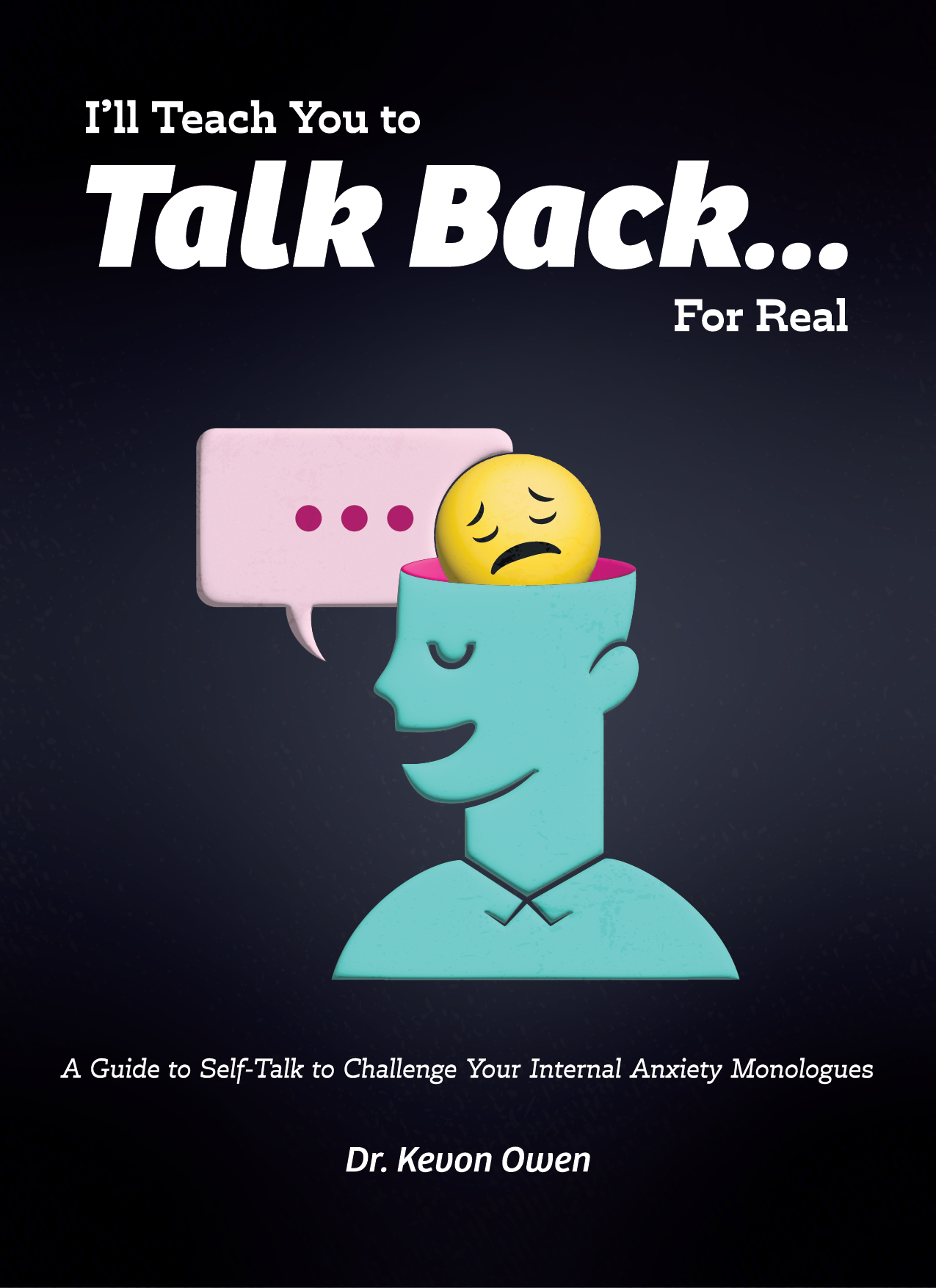
Stress often sneaks into our fast-paced lives, leaving us overwhelmed and distracted. “Mindful moments” are quick, practical techniques that can help center your mind and body, fostering calm even on the busiest of days. This article explores actionable stress-relief methods that incorporate mindfulness, empowering readers to regain focus and balance effortlessly.
Stress is as every day as morning coffee in today’s world. From tight deadlines to navigating family dynamics, life can often feel like a whirlwind. When tension builds, it affects not only your mental well-being but also your physical health. What if you could find relief in just a few moments?
Enter the concept of mindful moments—a powerful way to ground yourself amidst chaos. These moments are simple, quick, and transformative, helping to restore clarity and ease in your day. Whether at home, at work, or even stuck in traffic, mindfulness can help you reclaim peace and reduce the mental clutter.
This article will explore stress-relief methods designed to fit seamlessly into your life. We’ll uncover the science behind mindfulness and explore techniques to help you de-stress in minutes.
The Science of Mindfulness and Stress
What Happens When You’re Stressed?
Stress triggers your body’s fight-or-flight response, releasing cortisol and adrenaline. While this response is useful in emergencies, chronic stress can leave you feeling fatigued, anxious, or even physically ill. Over time, elevated stress levels can increase the risk of heart disease, digestive issues, and sleep problems.
How Mindfulness Helps
Mindfulness offers a powerful antidote to stress. Anchoring your awareness in the present moment interrupts the cycle of racing thoughts. This practice has been shown to:
- Lower cortisol levels, promoting a sense of calm.
- Improve focus and decision-making.
- Enhance emotional resilience, helping you handle stress more effectively.
Mindfulness isn’t just a concept—it’s a scientifically backed method that can transform how you respond to life’s challenges.
Quick Mindful Moments to Relieve Stress
When stress hits, mindful moments provide a toolkit for immediate relief. These techniques don’t require special equipment or hours of practice, making them perfect for busy individuals.
1. 4-7-8 Breathing Technique
Breathing is the bridge between the body and mind. The 4-7-8 breathing method is a favorite among mindfulness practitioners because it can quickly reduce anxiety.
- Steps to follow:
- Inhale deeply through your nose for 4 seconds.
- Hold your breath for 7 seconds.
- Slowly exhale through your mouth for 8 seconds.
- Why it works: This technique activates the parasympathetic nervous system, which counteracts the stress response.
2. 5-4-3-2-1 Grounding Technique
Perfect for moments of overwhelm, this sensory exercise helps shift focus away from stress and back to the present moment.
- Steps to follow:
- Identify five things you can see around you.
- Touch four things you can physically feel.
- Notice three things you can hear, like the hum of a fan or distant chatter.
- Smell two things, such as fresh coffee or a scented candle.
- Finally, taste one thing, even if it’s just inside your mouth.
3. Body Scan Meditation
This is a simple practice that helps you release physical tension.
- Sit or lie down in a comfortable position.
- Close your eyes and focus on each body part, starting from your toes and moving upward.
- As you notice tension in a specific area, please take a deep breath and imagine releasing it.
4. Mindful Observation
If you only have 1-2 minutes, this practice can help you find calm.
- Pick an object around you—a plant, a coffee mug, or even the sky.
- Observe its details, such as texture, color, or shape.
- Focus solely on this object, allowing your mind to rest from other thoughts.
5. Progressive Muscle Relaxation (PMR)
PMR is excellent for relieving stress that manifests as physical tension.
- Tense each muscle group (starting with your feet) for 5-10 seconds.
- Slowly release and notice how it feels to let go of the tension.
- Move up through your body—legs, stomach, arms, and neck—until every area feels relaxed.
Everyday Opportunities for Mindfulness
Morning Mindfulness
Start your day on the right foot by incorporating mindfulness into your morning routine. Take a moment to sit quietly and breathe before jumping into your to-do list. Gratitude meditation, where you reflect on things you’re thankful for, can set a positive tone for the day.
Mindful Meals
Rather than eating on autopilot, notice your food’s flavors, textures, and smells. Eating mindfully reduces stress, improves digestion, and prevents overeating.
Mindfulness at Work
Feeling stressed during the workday? Try a 60-second breathing exercise at your desk. Focus on the sensation of your breath as it moves in and out of your body, letting go of distractions.
Evening Wind-Down
End your day with a short mindfulness practice. A body scan or guided meditation can help you release the day’s tension and prepare for restful sleep.
Did You Know?
Mindfulness isn’t just a personal stress-relief tool—it’s becoming a key component in schools, workplaces, and healthcare systems worldwide. For example:
- Schools: Mindfulness programs are helping students improve focus and reduce anxiety.
- Healthcare: Mindfulness is used to manage chronic pain and conditions like PTSD.
- Corporate Use: Companies like Google and Apple incorporate mindfulness training to boost employee well-being and productivity.
Why Mindful Moments Matter
Stress can feel all-consuming, but mindful moments remind us that calm is always within reach. These practices help you take control of your mental and physical state, even during chaotic times. When you prioritize mindfulness, you’re investing in your overall well-being, creating space for clarity, connection, and calm.
Common Questions About Mindfulness
1. Can mindfulness be learned quickly?
Yes! While deep mastery takes time, many techniques—like breathing exercises or grounding practices—can be effective immediately.
2. What if I struggle to focus during mindfulness exercises?
It’s completely normal for your mind to wander. When it does, gently guide your attention back to your breath or the present moment.
3. How often should I practice mindful moments?
Incorporating 5-10 minutes of mindfulness into your day can make a significant difference. Aim to practice daily for lasting benefits.
Additional Resources
- Mayo Clinic – Mindfulness Practices
- Mindfulness-Based Stress Reduction (MBSR) Program
- National Institute of Mental Health – Managing Stress
Expand Your Knowledge
For counseling services, visit www.kevonowen.com or call now. 405-740-1249 or 405-655-5180.