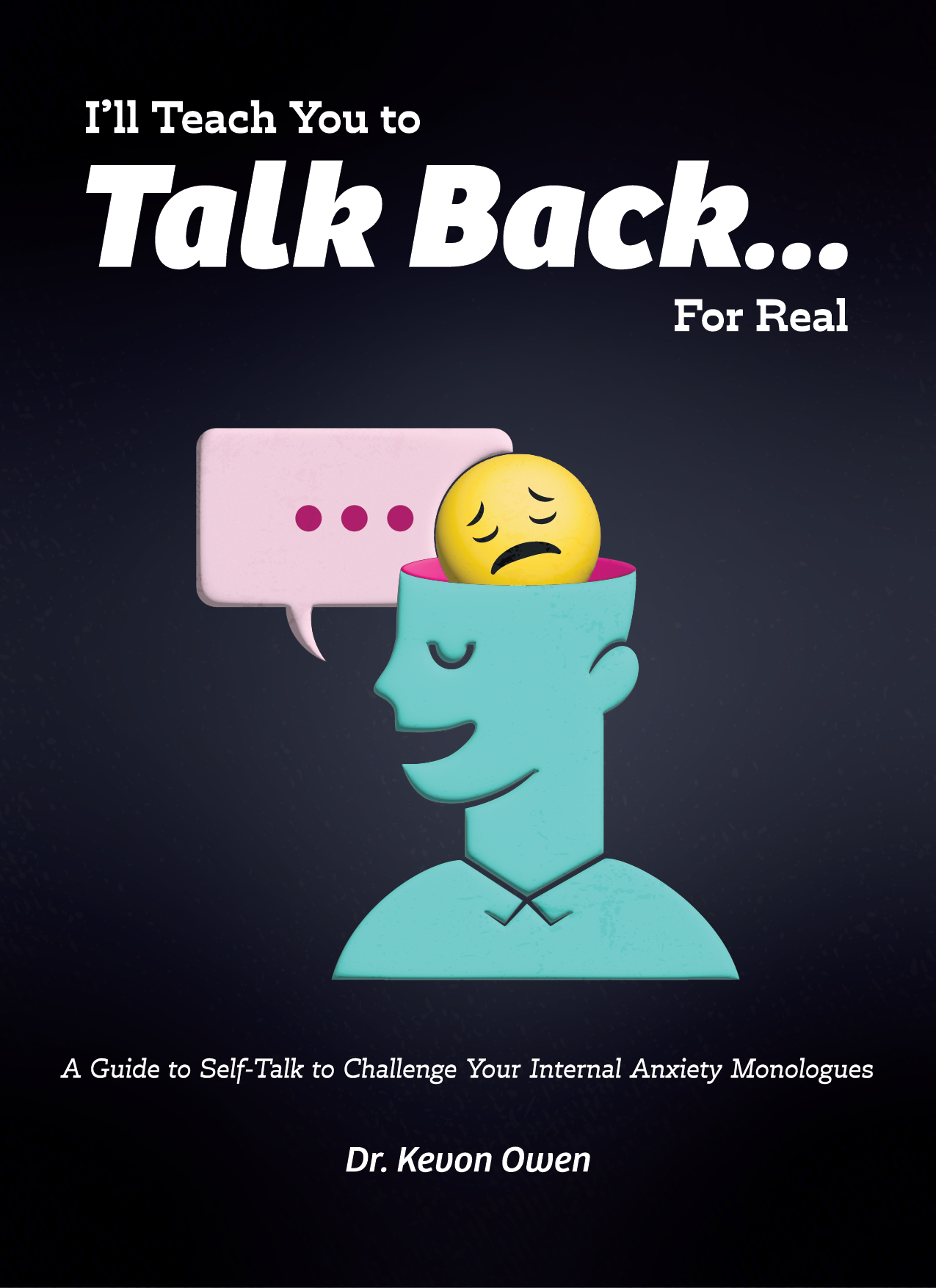
Mood disorders can profoundly impact an individual’s quality of life, affecting everything from personal relationships and job performance to overall physical health. Two of the most commonly diagnosed mood disorders are bipolar disorder and depression. While they may share some overlapping symptoms, they are distinct conditions requiring different treatment approaches. This article explores the differences and similarities between bipolar disorder and depression to help improve understanding, reduce stigma, and support more effective management.
What Are Mood Disorders?
Mood disorders, also known as affective disorders, are a category of mental health conditions that primarily involve significant disturbances in a person’s emotional state. These disturbances can lead to periods of intense sadness, irritability, or euphoria, depending on the type of disorder. Mood disorders can affect anyone, regardless of age, gender, or background, and often interfere with daily functioning.
Understanding Depression
Definition and Types
Depression, clinically known as major depressive disorder (MDD), is characterized by persistent feelings of sadness, hopelessness, and a lack of interest or pleasure in most activities. There are several subtypes of depression, including:
- Major Depressive Disorder (MDD): Intense episodes of depression lasting at least two weeks.
- Persistent Depressive Disorder (Dysthymia): Chronic, less severe depressive symptoms lasting two years or longer.
- Seasonal Affective Disorder (SAD): Depression related to seasonal changes, typically worsening in the winter.
- Postpartum Depression: Depression that occurs after childbirth.
Symptoms of Depression
The symptoms of depression can vary widely among individuals but typically include:
- Persistent sad or empty mood
- Loss of interest or pleasure in activities
- Fatigue or decreased energy
- Changes in appetite or weight
- Sleep disturbances (insomnia or hypersomnia)
- Feelings of worthlessness or excessive guilt
- Difficulty concentrating or making decisions
- Thoughts of death or suicide
To be diagnosed with MDD, an individual must experience at least five of these symptoms for a minimum of two weeks, with at least one symptom being either depressed mood or loss of interest/pleasure.
Understanding Bipolar Disorder
Definition and Types
Bipolar disorder, previously known as manic-depressive illness, involves significant mood swings that include emotional highs (mania or hypomania) and lows (depression). The two main types of bipolar disorder are:
- Bipolar I Disorder: Characterized by manic episodes lasting at least seven days or requiring hospitalization, often followed by depressive episodes.
- Bipolar II Disorder: Involves a pattern of depressive episodes and hypomanic episodes, which are less severe than full manic episodes.
There is also Cyclothymic Disorder (Cyclothymia), which involves chronic fluctuating mood disturbances including periods of hypomanic and depressive symptoms that do not meet full criteria for either a hypomanic or depressive episode.
Symptoms of Mania and Hypomania
Manic and hypomanic episodes differ primarily in intensity. Common symptoms include:
- Increased energy or activity levels
- Elevated or irritable mood
- Inflated self-esteem or grandiosity
- Decreased need for sleep
- Increased talkativeness
- Racing thoughts
- Distractibility
- Poor judgment or risky behaviors (e.g., excessive spending, sexual indiscretions)
In full mania, these symptoms cause significant impairment in social or occupational functioning and may necessitate hospitalization.
Symptoms of Bipolar Depression
Depressive episodes in bipolar disorder share many symptoms with major depressive disorder but may occur in the context of alternating mood states. This makes bipolar depression potentially more challenging to diagnose and treat.
Key Differences Between Bipolar Disorder and Depression
While both disorders include depressive episodes, several critical differences distinguish them:
- Presence of Mania/Hypomania: Bipolar disorder includes episodes of elevated mood, which are absent in unipolar depression.
- Mood Fluctuation Patterns: People with depression typically experience a consistently low mood, whereas individuals with bipolar disorder cycle between highs and lows.
- Onset and Course: Bipolar disorder often begins in late adolescence or early adulthood and can involve rapid or unpredictable mood shifts. Depression can also begin in adolescence but may have a more stable, persistent course.
- Response to Medication: Antidepressants alone can sometimes worsen symptoms in bipolar patients, potentially triggering manic episodes. Therefore, mood stabilizers or antipsychotics are often part of bipolar treatment plans.
- Diagnosis Challenges: Bipolar disorder is often misdiagnosed as depression, especially if manic symptoms are mild or not disclosed. A detailed psychiatric evaluation is crucial for accurate diagnosis.
Causes and Risk Factors
Both bipolar disorder and depression are complex conditions influenced by a combination of genetic, biological, environmental, and psychological factors.
Genetic Factors
- Both conditions tend to run in families. A family history of bipolar disorder or depression increases an individual’s risk.
Brain Structure and Chemistry
- Neuroimaging studies have shown structural and functional differences in the brains of individuals with mood disorders. Neurotransmitter imbalances, particularly involving serotonin, dopamine, and norepinephrine, are also implicated.
Environmental and Lifestyle Factors
- Stressful life events, trauma, substance abuse, and chronic medical conditions can trigger or exacerbate mood disorders.
Diagnosis and Assessment
Diagnosing mood disorders involves a comprehensive evaluation that includes:
- Clinical Interview: A mental health professional gathers information about symptoms, duration, severity, and impact on functioning.
- Medical History and Physical Exam: To rule out other conditions that might mimic psychiatric symptoms.
- Psychological Testing: Standardized questionnaires can help assess the severity and type of mood disorder.
Treatment Approaches
Effective treatment is possible for both bipolar disorder and depression. Approaches often include a combination of medication, psychotherapy, and lifestyle adjustments.
Depression Treatment
- Medications: Commonly used antidepressants include SSRIs, SNRIs, tricyclics, and MAOIs.
- Psychotherapy: Cognitive Behavioral Therapy (CBT), Interpersonal Therapy (IPT), and psychodynamic therapy are commonly used.
- Lifestyle Changes: Regular exercise, proper sleep, nutrition, and social support play critical roles.
Bipolar Disorder Treatment
- Mood Stabilizers: Lithium is the most well-known, but others include valproate and carbamazepine.
- Antipsychotics: Used especially during manic episodes.
- Antidepressants: Often used cautiously and only in conjunction with mood stabilizers.
- Psychotherapy: CBT and Family-Focused Therapy can help individuals manage symptoms and improve functioning.
The Role of Support Systems
Living with a mood disorder can be isolating, but strong support systems significantly improve outcomes. Family, friends, support groups, and mental health professionals play vital roles in:
- Encouraging treatment adherence
- Recognizing early warning signs
- Providing emotional support
- Reducing stigma through education and awareness
Reducing Stigma and Promoting Awareness
Despite increasing awareness, mental health stigma remains a barrier to diagnosis and treatment. Education is key to changing perceptions and encouraging those struggling to seek help. Understanding that mood disorders are medical conditions, not personal failings, is a crucial step toward compassionate care and societal acceptance.
When to Seek Help
It is essential to seek professional help if you or someone you know experiences:
- Persistent feelings of sadness or hopelessness
- Extreme mood swings
- Difficulty functioning in daily life
- Thoughts of self-harm or suicide
Early intervention can make a significant difference in outcomes. Psychiatrists, psychologists, counselors, and primary care physicians can all be starting points for getting the necessary support.
In Closing
Bipolar disorder and depression are serious but treatable mood disorders. While they share some symptoms, understanding their distinct characteristics is crucial for accurate diagnosis and effective treatment. With the proper support, medical care, and coping strategies, individuals with mood disorders can lead fulfilling, productive lives. Ongoing research and growing public awareness continue to enhance our understanding of these conditions, paving the way for better outcomes and reduced stigma. If you or someone you love is struggling, know that help is available and recovery is possible.
For counseling services, visit https://www.kevonowen.com or call now. 405-740-1249 or 405-655-5180.