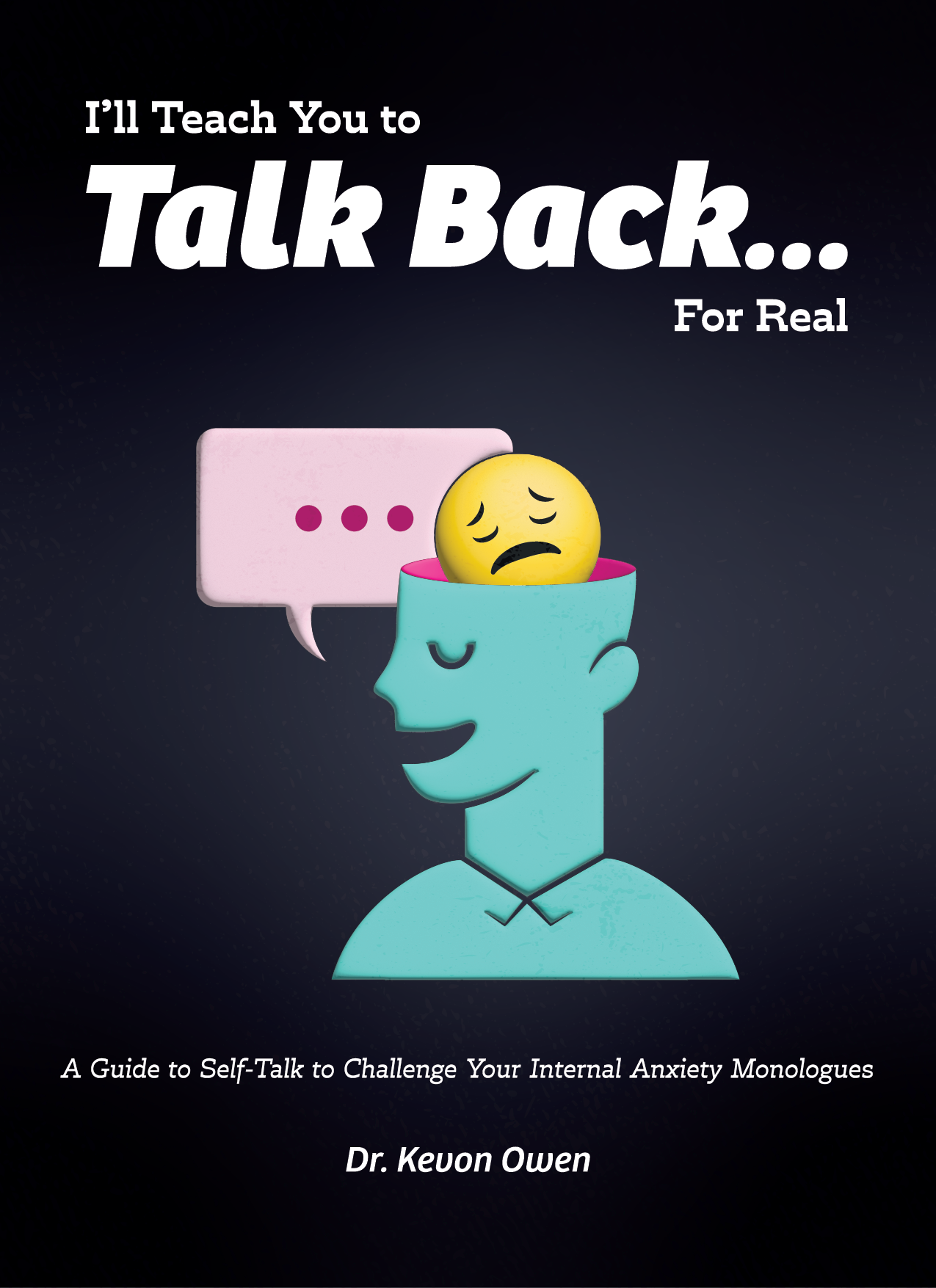
So many people say, “I’m just not a creative person,” and then stop right there. The video you just watched challenges that idea. Creativity isn’t something only artists, writers, or musicians have. It’s a way of thinking that anyone can grow, one small step at a time.
That voice in your head that says, “I’m not creative,” is a thought, not a fact. It often comes from old experiences: a harsh comment from a teacher, a comparison to a “talented” sibling, or a project that didn’t turn out the way you hoped. Over time, those moments pile up and start to feel like proof. But they’re actually just one side of the story.
This is where CBT (cognitive-behavioral therapy) ideas can be beneficial. CBT invites you to notice automatic thoughts, such as “I’m not creative,” and gently question them rather than treating them as truth. You might ask yourself:
What evidence do I have for this thought?
What evidence do I have against it?
If a friend said this about themselves, would I agree?
When you do this honestly, most people notice they do have creative moments: solving minor problems at work, finding a new way to save money, cooking without a recipe, or thoughtfully helping a friend. Those are all forms of creativity.
Once you start to see that creativity is already there, you can grow it on purpose. Try treating creativity like a muscle: it responds to use, not perfection. Set tiny, low-pressure challenges for yourself:
Doodle for 5 minutes without judging it Write a messy paragraph about your day Take 3 photos of ordinary things from unusual angles Try a new route, recipe, or routine once a week
The goal isn’t to create a masterpiece. The goal is to practice showing up. It can also help shift your focus from outcomes to processes. Instead of asking, “Is this good?” try asking, “What did I notice?” or “What did I learn about myself while doing this?” When you give yourself permission to play, experiment, and make “bad” art, creativity starts to feel less scary and more natural.
If the thought “I’m not creative” has been with you for years, changing it won’t happen overnight. That’s okay. Each time you question that story and choose a small creative action anyway, you’re rewiring the way you see yourself.
So, as you leave this video, try this simple reframe: Instead of “I’m not creative,” try “I’m learning to see my creativity,” or “I’m practicing being creative, one small step at a time.”
You might be surprised by how much was already there, just waiting to be noticed.
If you need help with being more creative, please call our office.
Kevon Owen – Christian Counseling – Clinical Psychotherapy – OKC 10101 S Pennsylvania Ave, Suite C Oklahoma City, OK 73159 https://www.kevonowen.com 405-655-5180 – 405-740-1249
In-law stress can wear down a marriage in quiet ways. A critical comment, a pushy opinion, or a pattern of crossing limits may leave one spouse feeling torn between loyalty to a partner and loyalty to family. The goal is not to win a fight. The goal is to protect the...
High-functioning anxiety can hide behind achievement, reliability, and a calm public image. A person may meet deadlines, care for family, stay organized, and still carry constant worry, muscle tension, poor sleep, racing thoughts, and fear of letting...
Perfectionism often looks like high standards, discipline, and strong motivation. Under the surface, it can also bring anxiety, shame, procrastination, strained relationships, and a constant sense of falling short. Learning "good enough" does not mean giving up on...
Strong family relationships are not built only through big vacations, expensive outings, or perfectly planned weekends. In most homes, connection grows through short, repeated moments that happen in the middle of real life. A shared breakfast, a ten-minute walk, a...
Insomnia can linger when stress, anxiety, habits, and health factors keep the sleep cycle stuck. Learn how therapy can help people in Oklahoma City address ongoing sleep problems and build healthier rest. Insomnia is more than a rough night or two. It...
Stress can rise fast during a tense meeting, a hard conversation, a traffic jam, a school pickup, or a restless night. Breathing tools offer a simple way to slow the body’s alarm response and create a small pocket of calm. They do not fix every problem, but they can...
Healing is rarely instant. For many people, it is a journey filled with growth, reflection, setbacks, faith, and renewed hope. In this video, the focus is on how Christian counseling can help individuals navigate anxiety, depression, stress, trauma, relationship...
Family meetings can turn daily stress into steady, honest communication. When handled with a simple plan, these conversations help parents and children solve problems, share responsibilities, reduce conflict, and build trust at home. A regular meeting does not need to...
Overwhelm can leave the body feeling tense, scattered, and unsafe, even in ordinary moments. Tiny breaks can help calm the stress response, steady breathing, and create enough space to think clearly again. This guide explains how short, simple resets support the...
Living with bipolar disorder often means learning how to protect stability, lower stress, and notice early signs of change before life feels unsteady. A daily routine cannot erase every symptom, but it can support treatment, reduce chaos, and make each day feel more...