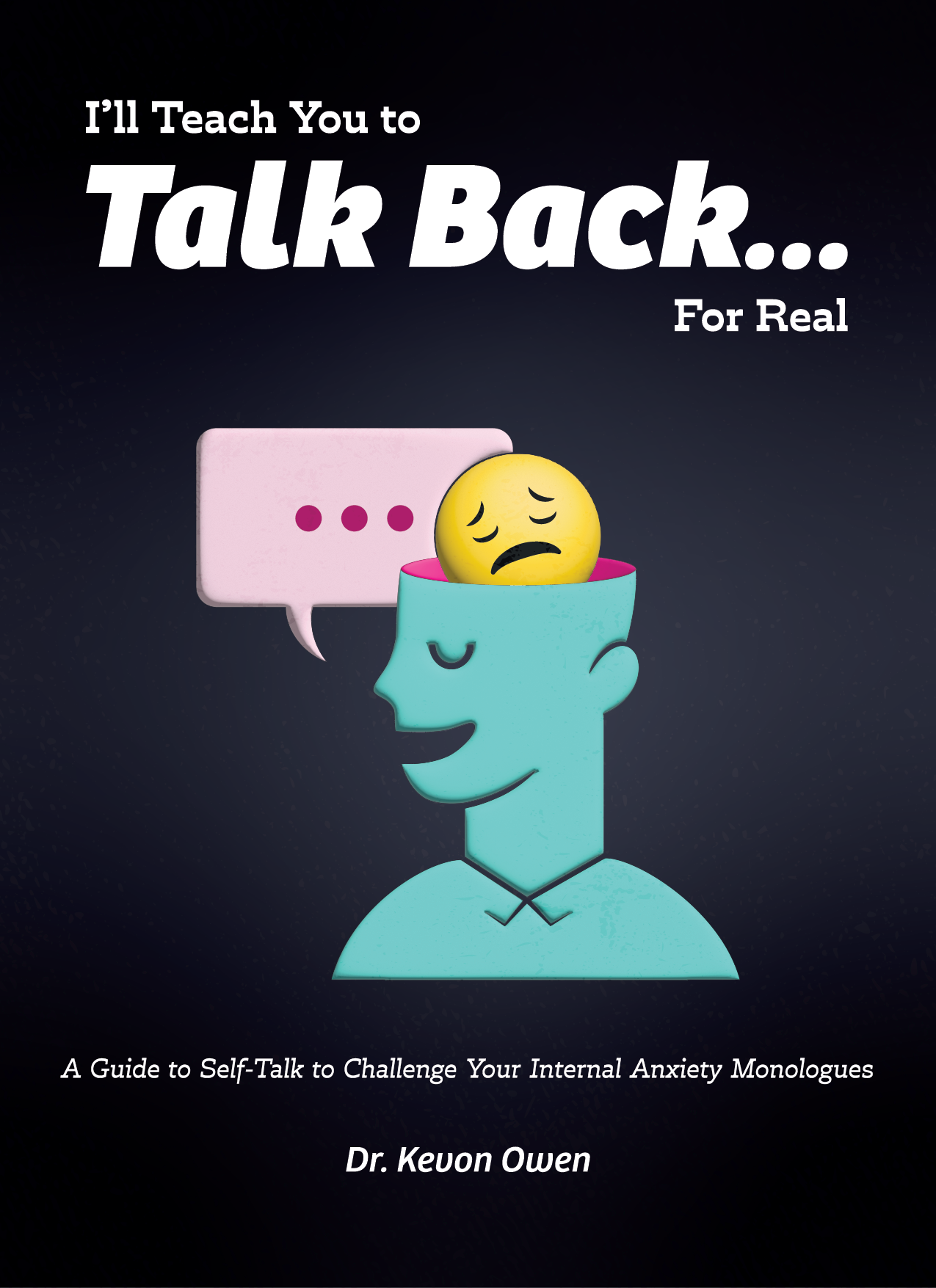
An inner critic can sound like “helpful motivation,” but it often fuels stress, shame, and burnout. Self-compassion is not self-pity or letting things slide. It is a skill set that builds steadier self-talk, better coping, and healthier choices. This guide explains why the inner critic gets loud, how it affects the mind and body, and how to practice self-compassion in simple, repeatable ways.
The inner critic is the voice that points out flaws, predicts failure, and keeps score. It may sound like protection: “Do better so nobody rejects you.” Yet the cost can be high. Harsh self-talk can increase anxiety, lower mood, and make it harder to recover after mistakes.
Self-compassion offers a different path. It supports accountability without cruelty. It replaces “What is wrong with me?” with “This is hard, and support is possible.” Over time, that shift can calm the nervous system, improve relationships, and make change more sustainable.
Why the Inner Critic Gets So Loud
Most inner critics start with a job: reduce risk. The brain is wired to notice threats, and the mind learns patterns from early experiences. If approval once felt tied to performance, the critic may push perfection. If safety felt uncertain, the critic may scan for mistakes. If emotions were dismissed, the critic may shame vulnerability.
In adulthood, the critic can show up during normal life stress: parenting, work pressure, conflict, health concerns, or grief. It often speaks in absolutes. Words like “always,” “never,” “should,” and “must” are common. These messages can trigger the body’s threat response, even when the “threat” is only an uncomfortable feeling.
Over time, harsh self-talk may lead to:
More rumination, more avoidance, and less confidence. The person may work harder but feel less satisfied. Or the person may stop trying to prevent failure and shame.
Fast check: Critic vs. Coach
A coach helps growth and stays respectful. A critic attacks character. A coach focuses on a specific behavior and a next step. A critic labels the whole self as “not enough.”
How Harsh Self-Talk Affects the Brain and Body
When the inner critic spikes, the body can react like danger is near. Stress hormones rise. Muscles tighten. Sleep may get lighter. Digestion can get off track. Concentration narrows. The mind may “time travel” into the past (regret) or the future (worry).
Self-compassion practices are often calming because they combine two ingredients: warmth and truth. Warmth reduces threat signals. Truth keeps the work grounded in reality. The goal is not fake positivity. The goal is steadier support during hard moments.
For background reading from trusted sources, these pages are useful:
National Institute of Mental Health (NIMH): Anxiety Disorders
American Psychological Association (APA): Stress
NCBI Bookshelf: Stress and Health
Local Spotlight: OKC Stress Triggers That Can Amplify Self-Criticism
In Oklahoma City, daily stress can stack fast: long commutes, weather shifts, family schedules, and job demands. When life speeds up, the mind often reaches for familiar tools, including self-criticism. It can feel like “pressure equals progress.” Yet for many people, pressure increases shutdown, irritability, or procrastination.
Building self-compassion can be especially helpful during high-demand seasons: school transitions, busy work periods, caregiving strain, or major life changes. Even small routines, practiced consistently, can soften the critic and create more emotional room.
Five Signs the Inner Critic Is Driving the Bus
- All-or-nothing thinking: one mistake “ruins everything.”
- Mind-reading: assuming others are disappointed without evidence.
- Moving goalposts: success never feels like enough.
- Shame language: “lazy,” “broken,” “stupid,” or “unlovable.”
- Avoidance loop: fear of failure leads to delay, then more self-attack.
Practical Self-Compassion That Still Supports Growth
Self-compassion has three core parts that work well together:
Mindfulness (notice what is happening), common humanity (struggle is part of being human), and kindness (respond with care instead of attack). These are skills, not personality traits. Skills improve with reps.
Here is the key: self-compassion does not remove responsibility. It changes the tone. People tend to make better decisions when they feel supported, not threatened.
A simple reframe for harsh self-talk
Instead of “Why is this happening to me?” try “What is this moment asking for?” That question invites action. It reduces shame and points toward needs: rest, support, clarity, boundaries, or repair.
Five Self-Compassion Exercises That Fit Real Life
- The 30-second soften: Place a hand over the chest, take one slower breath, and say: “This is hard. Support is allowed.”
- Name the critic: Label the voice as “the critic” or “the perfectionist.” Labeling creates distance and reduces fusion with the thought.
- Coach language swap: Replace “You messed up again” with “A mistake happened. What is the next right step?”
- Two truths: Say two sentences: “This hurts,” and “This can be handled with care.” The mind learns balance.
- Repair plan: Pick one action in 10 minutes or less: send a message, write a short list, schedule an appointment, or take a brief walk.
What to do when self-compassion feels fake
Sometimes kindness feels unsafe, especially for people who learned to survive through toughness. In that case, start with a neutral tone. Instead of warm words, use steady words: “A hard moment is here.” “This reaction makes sense.” “Support is possible.” Neutral compassion still reduces threat.
Common Inner Critic Traps and Better Alternatives
Trap: “If the critic goes quiet, motivation will disappear.”
Better: Motivation can come from values, purpose, and healthy pride. Fear is not the only fuel source.
Trap: “Other people have it together, so something is wrong here.”
Better: Many people hide their struggles. Comparing a private life to someone else’s public life feeds shame.
Trap: “Feeling bad proves something is wrong.”
Better: Feelings are signals, not verdicts. They point toward needs, limits, and meaning.
How Self-Compassion Helps With Anxiety, Depression, and Burnout
When anxiety is high, the critic often tries to control outcomes. It pushes certainty and perfection. Self-compassion supports anxiety by helping the mind tolerate discomfort while choosing helpful actions.
When depression is present, the critic may sound hopeless and global: “Nothing will change.” Self-compassion supports depression by keeping the focus small and doable: the next step, the next hour, the next support.
With burnout, the critic often keeps the body in “go mode” even when rest is overdue. Self-compassion helps by treating rest as a performance tool rather than a reward to be earned.
If symptoms include panic, persistent low mood, trauma reactions, or thoughts of self-harm, professional support is important. A licensed clinician can help tailor strategies and assess risk.
Common Questions Around Quieting the Inner Critic in Oklahoma City
Why does the inner critic get worse at night?
At night, distractions drop, and the brain reviews the day. Fatigue reduces emotional regulation, so self-talk can turn sharper. A short wind-down routine, less screen time close to bed, and a calming breath practice often help.
How long does it take to change self-talk?
Many people notice small changes within a few weeks of consistent practice. Deep patterns may take longer, especially if shame has been present for years. Progress often looks like shorter spirals, faster recovery, and fewer harsh labels.
Is self-compassion the same as self-esteem?
No. Self-esteem is often tied to evaluation and performance. Self-compassion is support during pain or failure, even when performance is not great. That makes it steadier over time.
What if the inner critic feels “true”?
Thoughts can feel true when emotions are strong. A helpful test is evidence. What facts support the thought? What facts do not? A clinician can help identify thinking patterns and build a fairer internal voice.
Can self-compassion work with faith-based counseling?
Yes. Many people connect compassion with grace, humility, and truth-telling. A faith-aligned approach can support gentle self-correction without shame.
Self-compassion – Inner critic – Cognitive distortions – Mindfulness – Shame resiliency
self-compassion, inner critic, anxiety support, stress management, cognitive behavioral tools, mindfulness skills, Oklahoma City counseling, clinical psychotherapy
Additional Resources
NIMH: Mental Health Information
MedlinePlus: Mental Health
Wikipedia: Self-compassion
Expand Your Knowledge
APA: Anxiety
CDC: Learn About Mental Health
PubMed Central (PMC)
Visit Kevon Owen Christian Counseling, Clinical Psychotherapy, OKC
Call to action: Kevon Owen Christian Counseling, Clinical Psychotherapy, OKC. 10101 S Pennsylvania Ave C, Oklahoma City, OK 73159. 405-740-1249 and 405-655-5180. https://www.kevonowen.com.