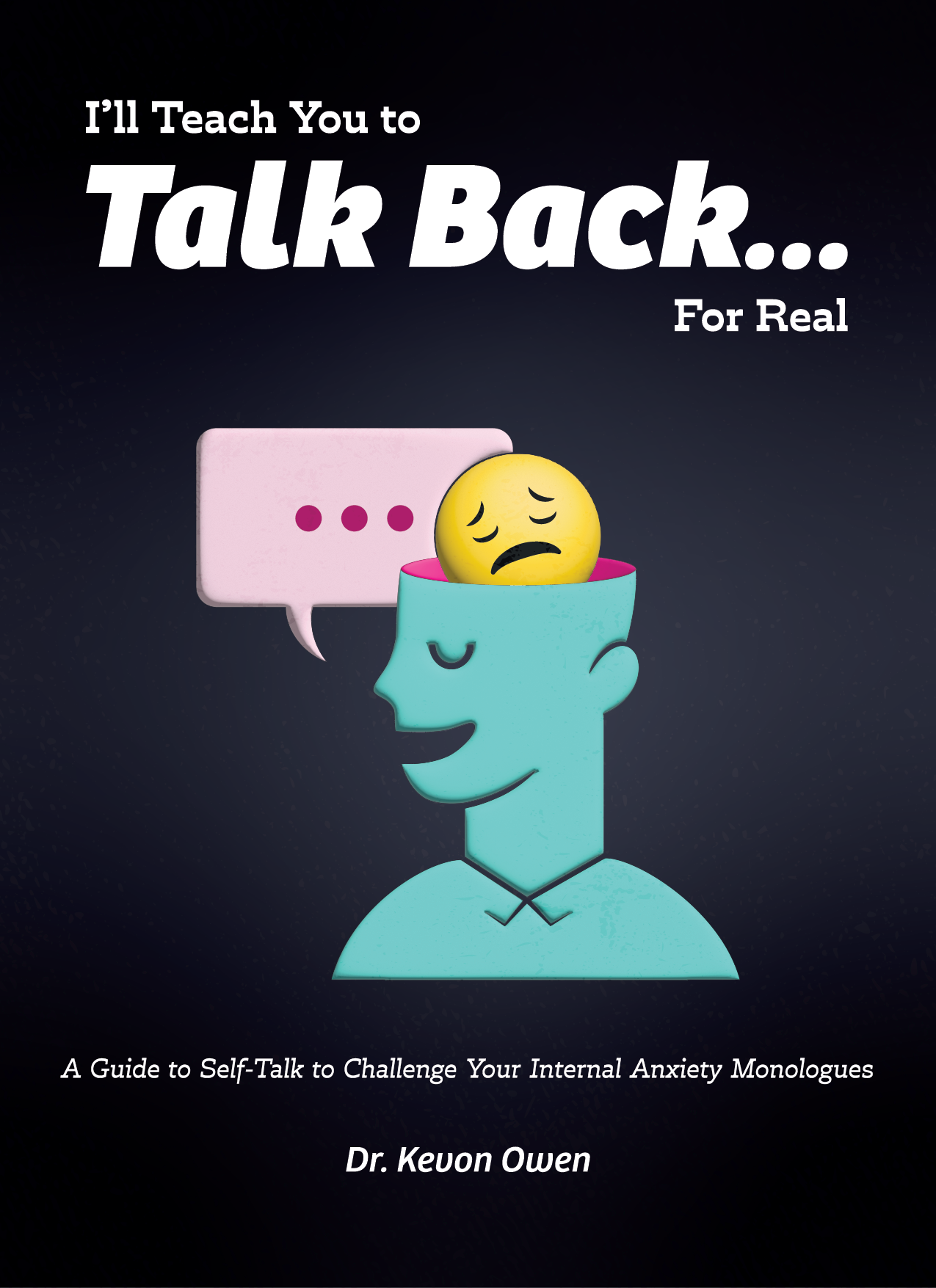
A common issue that tips the scales towards people actually taking the step towards getting counseling is anxiety. I think about it like this, anxiety looks a lot like your body’s fight or flight reflex. When it breaks that mental barrier over to physical your muscles get tight, your heart rate goes up, your breath gets shallow, and that can just be the start. I have a couple year’s experience working in the hospital and its now to the point that most of the time I can see the physiological symptoms of anxiety. Anxiety is no fun.
In the average first session of counseling most therapist go through background, intake assessment and disclosures… It’s not fun but it’s necessary and it’s kind of the law. However, after that first session, you didn’t come to counseling to leave feeling the same … and there wasn’t enough time to do the kind of therapy that would cause change. I want to leave you with something. Something that you can hold on to, something that you can engage in the time between when you leave and when you come back. Usually it consists of some things to alleviate stress, a plan for how to immediately (although often temporarily) distance from the aspects of your situation that are causing the most distress, and lastly some relaxation techniques (including breathing techniques).
Amazingly enough people in my office respond the same way I responded in grad school when we were learning breathing techniques. Underwhelmed. It’s too simple and sometimes unclear how this pertains to counseling. It’s easy to forget that we are made up of a mind, spirit, and body and they are all connected.
My favorite response came from a client who was 16 and she looked at her mom and said… “Great.. the shrink wants me to breathe.” That struck me as one of the funniest responses I’ve ever gotten. Yes, As a matter of fact, I do want you to breathe. I want you to breathe with intention and purpose. When your anxiety breaks through your thoughts and starts effecting your body I want you to breathe in a way that causes your heart rate to lower, that causes your muscles to relax, that allows your thoughts to level out, and so you can see a fresh perspective on your situation.
A lot of power in such a simple action. I have heard stories of military people surviving being buried alive through breathing techniques, and have set in church and through breathing lowered my heart rate 16 beats per minute. Breathing techniques are certainly no substitute for medication when your situation calls for it but it is very helpful, goes with you where ever you are, and can be engaged as often as you need it.
I’ve had people come back and tell me that breathing didn’t work for them nor did it cure their anxiety issues, to which my response is … no that’s because breathing techniques are not used to cure anxiety. They are used to treat symptoms caused by anxiety. Breathing techniques when combined with counseling can produce effective results.
Do you know any breathing techniques?
There are lots of options for breathing techniques: counting, scaling , watching your belly expand. There are breathing techniques ranging in difficulties and needs. Techniques for children to highly educated adults, for mindfulness and meditation, techniques for trauma and pain. Breathing techniques is not psychotherapy, but it is a solid coping skill and a part of good counseling.