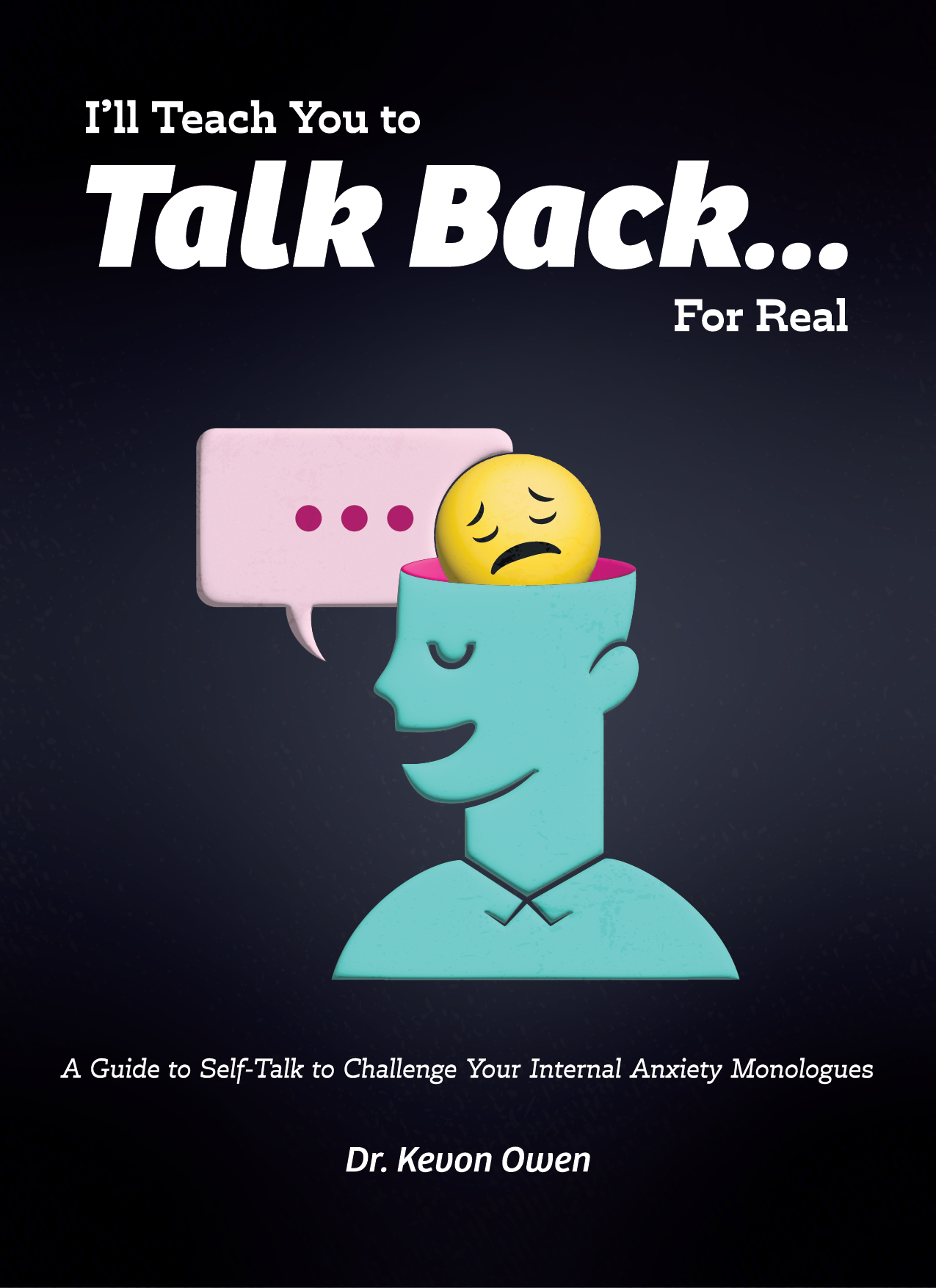
High-functioning anxiety can hide behind achievement, reliability, and a calm public image. A person may meet deadlines, care for family, stay organized, and still carry constant worry, muscle tension, poor sleep, racing thoughts, and fear of letting others down. Anxiety often becomes a silent pattern of overthinking, perfectionism, people-pleasing, and staying busy to avoid discomfort. The good news is that support can help. With the right care, many people learn to reduce stress, set healthier limits, and function with greater peace rather than living in a constant state of pressure.
High-functioning anxiety is not an official diagnosis in the Diagnostic and Statistical Manual of Mental Disorders, yet the phrase is widely used because it describes a real experience. Many people look successful on the outside while feeling overwhelmed on the inside. Anxiety disorders can affect work, sleep, relationships, physical health, and day-to-day functioning. Common features include excessive worry, restlessness, irritability, tension, trouble concentrating, and sleep problems. :contentReference[oaicite:0]{index=0}
This hidden form of anxiety can be missed because it often looks productive. A person may be known as dependable, thoughtful, prepared, and driven. Friends and coworkers may praise that person for always having it together. Underneath that image, though, there may be nonstop mental rehearsal, fear of mistakes, tight shoulders, digestive upset, headaches, and a sense that rest must be earned. Anxiety can become so familiar that it starts to feel normal, even when the body is paying the price. :contentReference[oaicite:1]{index=1}
For many adults, high-functioning anxiety shows up as overperformance. Projects are finished early. Calendars stay packed. Messages get answered fast. Standards stay high, even when energy is low. This can look admirable, but the inner experience is often ruled by pressure rather than peace. The goal is not to remove healthy ambition. The goal is to separate healthy motivation from fear-driven overfunctioning.
How high-functioning anxiety can hide in plain sight
Hidden anxiety is often hard to spot because it blends into traits that are socially rewarded. Perfectionism, punctuality, loyalty, and a strong work ethic can all be positive qualities. The problem starts when those traits are fueled by fear. A person may feel unable to relax, even after finishing a task. A small mistake may trigger shame far beyond the moment. Saying no may feel unsafe. Praise may bring relief for only a short time before the next fear takes over.
Common hidden signs
Some people with high-functioning anxiety constantly rehearse conversations before they happen. Others read into small shifts in tone, replay past interactions, or assume the worst when they do not get a quick reply. Many keep a full schedule because being still gives worry room to grow. Others stay in control of every detail because uncertainty feels unbearable. Irritability, jaw clenching, stomach problems, fatigue, and tension headaches may all become part of daily life.
Another hidden sign of success is that it never feels satisfying. A person may hit goals and still feel behind. Instead of feeling proud, the mind quickly moves to the next problem to solve. This cycle can lead to burnout, low mood, relationship strain, and a nervous system that rarely feels settled.
When anxiety wears a mask
High-functioning anxiety can look like kindness, but it may really be people-pleasing. It can look like leadership, but it may really be fear of losing control. It can look like discipline, but it may really be fear of failure. It can look like humility, but it may really be harsh self-criticism. That is why support matters. When anxiety is hidden behind strength, the person often receives praise instead of help.
Did You Know? Anxiety often shows up in the body before it shows up in words.
Many adults in Oklahoma City and other busy metro areas live with chronic stress that gets brushed off as “just part of life.” Fast schedules, caregiving demands, financial strain, faith questions, family conflict, and workplace pressure can all keep the nervous system activated. Anxiety is not only mental. It often includes physical symptoms such as muscle tension, restlessness, sweating, upset stomach, sleep disruption, and trouble focusing. National mental health sources describe anxiety as a future-focused state of worry that can become persistent and disruptive when it starts to interfere with daily life. :contentReference[oaicite:2]{index=2}
In a local counseling setting, this matters because many people do not seek help until anxiety has already affected marriage, parenting, job performance, or health. Early support can make a major difference. When care is tailored to the person, anxiety treatment can help restore sleep, reduce physical tension, improve communication, and foster healthier patterns in work, family, and emotional stress.
Why does high-functioning anxiety develop
There is rarely one single cause. Anxiety can grow from temperament, learned family patterns, past stress, trauma, major life transitions, perfectionism, spiritual pressure, or years of carrying too much responsibility. In some cases, a person grew up in an environment where being useful, agreeable, or high-achieving felt safest. In other cases, anxiety developed after a season of instability or loss. Over time, the mind learns that overpreparing, overgiving, and overthinking might reduce risk. The short-term relief reinforces the pattern.
That pattern is understandable, but it can become costly. A person may struggle to rest without guilt. Minor uncertainty may feel like danger. Relationships may suffer when irritability rises or emotional needs stay hidden. Anxiety may also overlap with depression, trauma symptoms, grief, or attention problems, which makes a thoughtful clinical assessment important. NIMH and APA both note that anxiety can impair work, school, relationships, and overall functioning, while evidence-based psychotherapy can be an effective part of treatment. :contentReference[oaicite:3]{index=3}
What real support looks like
Real support goes deeper than telling someone to “calm down” or “stop worrying.” Anxiety responds better to care that helps a person understand triggers, body responses, thought patterns, and emotional habits. In counseling, support often includes learning how to slow mental spirals, notice body cues earlier, challenge fear-based assumptions, and build tolerance for uncertainty.
Healthy support is practical and compassionate
Helpful care often starts by reducing shame. The anxious mind usually believes it must work harder, prepare more, or hold everything together alone. Therapy can help uncover what is driving that pressure. For some, that means addressing perfectionism. For others, it means healing wounds related to rejection, family stress, trauma, or chronic responsibility. Cognitive behavioral therapy is one well-known treatment for anxiety, and authoritative health sources note that psychotherapy can help people identify and manage the factors that feed anxious patterns. :contentReference[oaicite:4]{index=4}
Support may also include better sleep habits, boundaries, slower scheduling, reduced avoidance, stronger communication, and realistic self-talk. In faith-based counseling, some clients also want room to process spiritual burdens, guilt, fear, and identity through a biblical lens alongside clinically grounded care. That kind of integrated approach can be especially meaningful for people who want emotional and spiritual support to work together.
Signs it may be time to seek counseling
It may be time to reach out when worry feels hard to control, when the body stays tense most days, when sleep is poor, when irritability affects relationships, or when achievement no longer feels healthy. It may also be a time when anxiety keeps a person from being fully present with family, marriage, work, or faith. Support is not only for a crisis. It is also for prevention, growth, and peace.
Common Questions Around High-Functioning Anxiety
Is high-functioning anxiety a real mental health condition?
The phrase is not a formal diagnosis, but it describes a very real pattern. Many people appear capable and successful while privately battling chronic worry, tension, fear of mistakes, and pressure to keep performing.
Can someone have anxiety and still do well at work?
Yes. Many people with anxiety are highly productive. That is one reason it can go unnoticed. Strong performance does not rule out emotional distress, exhaustion, or a need for support.
What is the difference between healthy stress and anxiety?
Healthy stress usually matches the situation and fades after the challenge passes. Anxiety tends to linger, spread to other areas, and trigger ongoing mental and physical symptoms such as overthinking, poor sleep, irritability, and trouble relaxing.
Does high-functioning anxiety affect relationships?
It can. Anxiety may lead to reassurance-seeking, irritability, emotional withdrawal, overcommitting, conflict avoidance, or feeling responsible for everyone else’s comfort. These patterns can create distance even when the person deeply cares.
Can counseling help with high-functioning anxiety?
Yes. Counseling can help identify hidden patterns, reduce shame, improve coping skills, and build a healthier relationship with work, rest, uncertainty, and emotions. Many people learn how to stay capable without living under constant internal pressure.
Support for anxiety in Oklahoma City
For those looking for counseling support in Oklahoma City, local care can make it easier to stay consistent and build momentum. Kevon Owen Christian Counseling Clinical Psychotherapy OKC offers counseling services to individuals, couples, and familie in Oklahoma Citys. The practice website lists a South Oklahoma City location at 10101 S Pennsylvania Ave, Suite C, Oklahoma City, OK 73159, along with contact numbers including 405-740-1249 and 405-655-5180. :contentReference[oaicite:5]{index=5}
Kevon Owen Christian Counseling Clinical Psychotherapy OKC. 10101 S Pennsylvania Ave C, Oklahoma City, OK 73159. 405-740-1249 and 405-655-5180. https://www.kevonowen.com
Relevant words: high-functioning anxiety, hidden anxiety signs, anxiety counseling Oklahoma City, Christian counseling OKC, clinical psychotherapy OKC, excessive worry, perfectionism and anxiety, people-pleasing, anxiety treatment, CBT for anxiety, counseling for stress, support for burnout, anxiety and sleep problems, therapy in Oklahoma City
high-functioning anxiety, anxiety help, counseling, Oklahoma City therapist, Christian counseling
Additional Resources
- National Institute of Mental Health – Anxiety Disorders
- American Psychological Association – Anxiety
- MedlinePlus – Anxiety