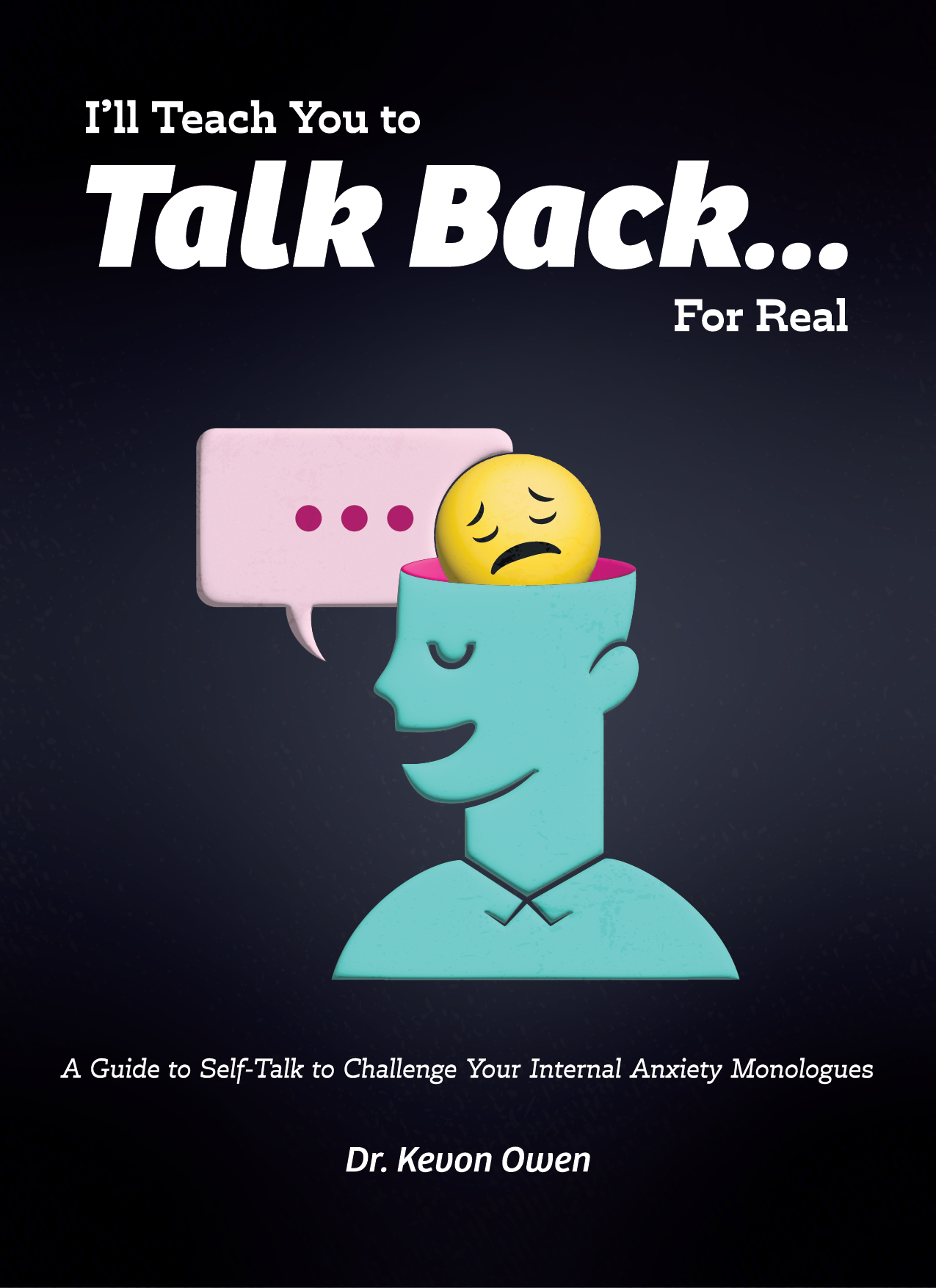

How To Deal With Bad News
Receiving bad news is an inevitable part of life, and how we handle it can significantly impact our mental and emotional well-being. Bad news can feel overwhelming and challenging to process, whether related to health, work, relationships, or any other area. However, effectively dealing with bad news can help mitigate the emotional turmoil and allow you to move forward with resilience and strength. This article explores strategies to help you navigate the complex emotions often accompanying lousy news.
1. Allow Yourself to Feel
The first step in dealing with bad news is to allow yourself to feel your emotions. Acknowledging these feelings, whether sadness, anger, frustration, or fear, is crucial. Suppressing emotions can lead to further stress and anxiety, so it’s essential to give yourself permission to grieve or feel upset.
Take some time to sit with your emotions. This might involve crying, journaling, talking to a trusted friend, or simply being alone to process your feelings. Remember that it’s okay to not be OK for a while.
2. Don’t Rush into Action
After receiving bad news, there might be an urge to take immediate action, whether to fix the problem or simply to distract yourself. However, it’s important not to rush into decisions while still processing the news. Acting impulsively can lead to regret or exacerbate the situation.
Give yourself time to think things through before deciding on your next steps. Sometimes, the best course of action is to wait until you’ve had time to calm down and consider your options with a clear mind.
3. Seek Support
Talking to someone on Supportrust can significantly affect how you cope with bad news. Whether it’s a family member, friend, or mental health professional, sharing your thoughts and feelings can provide comfort and perspective.
If you’re not ready to talk, consider writing down your thoughts. Journaling can be a therapeutic way to release emotions and clarify the situation. Additionally, online support groups or forums can offer a sense of community and understanding from others who have faced similar challenges.
4. Practice Self-Compassion
It’s easy to be hard on yourself when bad news strikes, especially if you feel responsible in any way. However, self-compassion is essential during difficult times. Treat yourself with the same kindness and understanding you would offer a friend in a similar situation.
Remind yourself that everyone faces setbacks and challenges and that this situation does not define your worth. Be gentle with yourself as you navigate your emotions, and allow yourself the time you need to heal.
5. Focus on What You Can Control
One of the most challenging aspects of receiving bad news is the feeling of helplessness that often accompanies it. While you may not be able to control the situation, you can control how you respond.
Focus on the aspects of the situation that are within your control. This might involve setting small, manageable goals for yourself or simply taking steps to care for your mental and physical well-being. Shifting your attention to what you can do rather than what you can’t can help you regain a sense of agency and purpose.
6. Take Care of Your Physical Health
The mind and body are deeply interconnected, and taking care of your physical health can positively impact your emotional well-being. Eat nutritious meals, get enough sleep, and engage in regular physical activity.
Exercise, in particular, has been shown to reduce stress and improve mood. Even a short walk can help clear your mind and release endorphins, the body’s natural mood lifters. Additionally, practices like yoga and meditation can promote relaxation and help you manage stress.
7. Limit Your Exposure to Triggers
After receiving bad news, you must be mindful of your environment and limit your exposure to potential triggers. This might mean taking a break from social media, avoiding specific conversations, or setting boundaries with people who may not be supportive.
Create a safe space for yourself where you can process your emotions without added stress. Surround yourself with positive influences and activities that bring you comfort and joy, whether spending time with loved ones, engaging in a hobby, or simply enjoying a quiet moment with a book or music.
8. Find Meaning in the Experience
While it may be difficult to see at the moment, finding Meaning in experiences you cope with and grow from them. This doesn’t mean that evening happens for a reason, but rather that you can choose to find purpose or lessons in the experience.
Ask yourself what you can learn from this situation or how to use it to grow as an experienced person. Perhaps it will help you develop greater empathy, strengthen your relationships, or inspire you to change your life. Finding Meaning in the experience can help you move forward with hope and resilience.
9. If you’re experiencing psychological difficulty coping with the news, it may be beneficial to seek professional help. A therapist or counselor can provide support, guidance, and strategies to help you support your emotions.
Therapy can be beneficial if you’re experiencing symptoms of depression, anxiety, or other mental health challenges as a result of the news. A mental health professional can work with you to develop a plan for managing your emotions and moving forward healthily.
10. Give Yourself Time
Healing takes time, and you must be patient while working through your emotions. There’s no set timeline for how long it should take to process bad news, and everyone’s journey is different.
Allow yourself to move through the stages of grief or adjustment at your own pace. Some days may be more complex than others, and that’s okay. Trust that with time, you will find a way to cope and move forward.
11. Look Toward the Future
As you begin to heal, start looking toward the future. Consider what steps you can take to move forward in a positive direction. This might involve setting new goals, making changes, or simply focusing on the things that bring you joy and fulfillment.
While the bad news may have changed your life in some way, it doesn’t have to define your future. By focusing on what lies ahead, you can regain a sense of hope and purpose and start building a new path forward.
Finally
Dealing with bad news is never easy, but allowing yourself to feel your emotions, seeking support, and focusing on the support you can control can help you navigate the challenges with resilience and strength. Remember to be kind to yourself during this time, and don’t hesitate to seek professional help. With time, patience, and self-compassion, you can progress and find a way to thrive, even in adversity.
For counseling services, https://www.kevonowen.com. Or call 405-740-1249 or 405-655-5180.