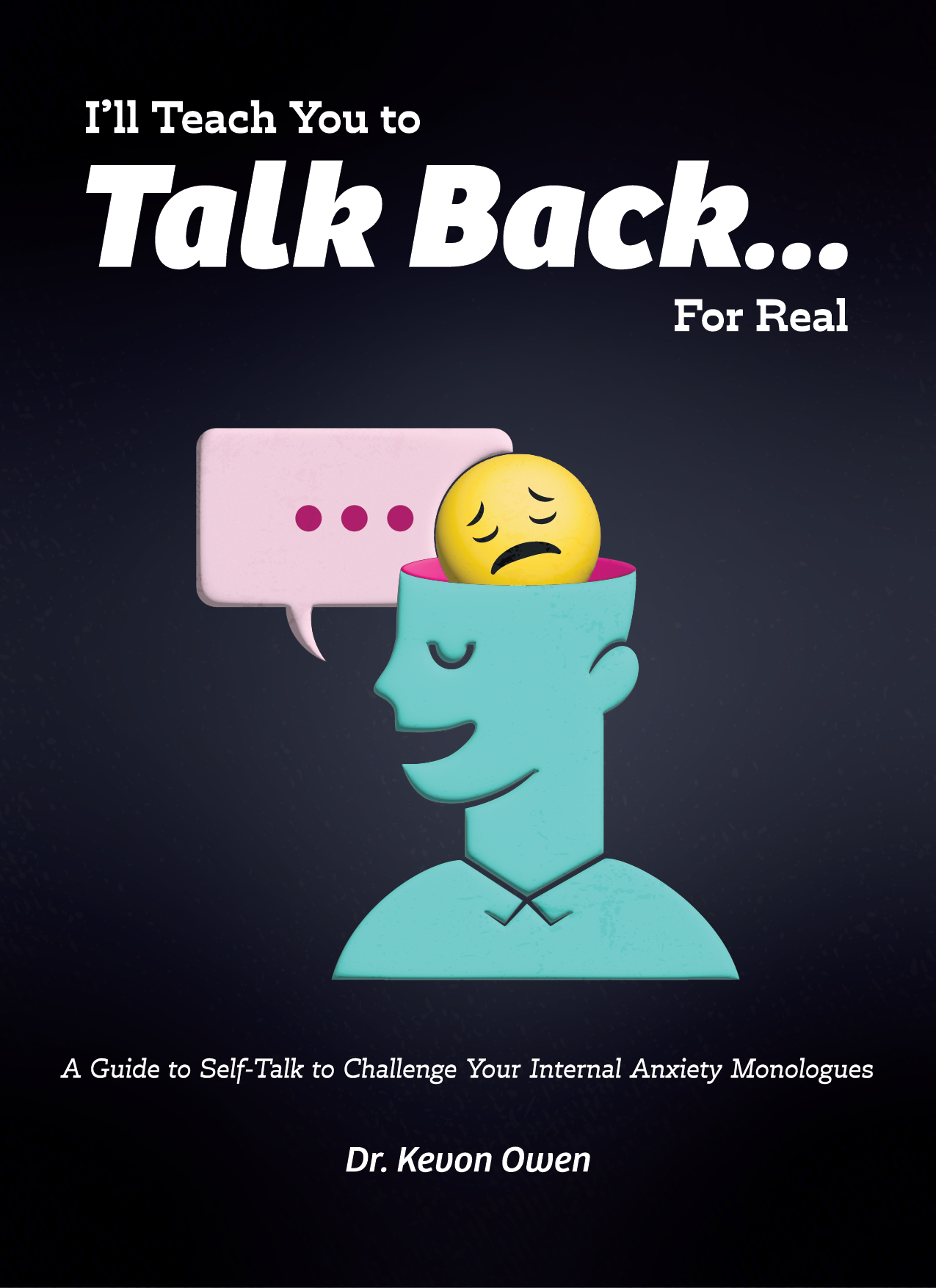
Social anxiety can make everyday interactions feel draining, tense, or unpredictable. The good news is that social confidence is not something a person either has or does not have. It is a skill that can improve with support, practice, and the right treatment plan. This guide explains what social anxiety can look like, why it often becomes self-reinforcing, and how small, realistic steps can help people feel more at ease in conversations, group settings, work events, church gatherings, school functions, and family situations. Social anxiety disorder involves intense fear of negative judgment in social or performance situations, and evidence-based care often includes psychotherapy such as cognitive behavioral therapy, with medication sometimes used as part of treatment. :contentReference[oaicite:0]{index=0}
Many people with social anxiety are not shy in every part of life. Some speak well one-on-one but freeze in groups. Others do well at work but struggle with unfamiliar people, eye contact, public speaking, dating, or being the center of attention. In many cases, the hardest part is not just the moment itself. It is the anticipation before it, the self-criticism during it, and the replay afterward.
That cycle can lead a person to avoid more situations over time. Avoidance may bring short-term relief, but it often keeps the fear strong. Mental health organizations such as NIMH and the NHS describe social anxiety as a condition that can interfere with daily life, relationships, school, and work, while also noting that effective help is available. :contentReference[oaicite:1]{index=1}
Why social anxiety feels so intense
Social anxiety often works like an alarm system that reacts too strongly to normal interaction. A simple conversation can feel like a test. A pause may feel like failure. A neutral facial expression may seem like rejection. The body then joins in with symptoms such as sweating, trembling, nausea, blushing, muscle tension, a racing heart, or a blank mind. These are common features described by major clinical sources on social anxiety. :contentReference[oaicite:2]{index=2}
Once the body shifts into threat mode, it becomes harder to listen, think clearly, remember words, or stay present. That can make a person seem quiet or distant, even when the real goal is connection. This is one reason social anxiety is often misunderstood. It is not usually a lack of caring. It is often too much caring about how one is coming across.
Another hidden factor is self-monitoring. Instead of focusing on the other person, attention turns inward. Thoughts may sound like this: “Am I awkward?” “Do I look nervous?” “Did that sound strange?” “What should be said next?” When attention stays locked on self-evaluation, natural conversation gets harder.
Practical ways to feel more comfortable around people
Start with smaller exposures, not dramatic leaps
One of the most helpful ways to loosen social anxiety is gradual exposure. That means facing feared situations in steps instead of waiting to feel fully ready. For example, a person may begin by greeting a cashier, then ask a simple question at a store, then attend a short community event, then stay for a longer conversation. Gradual exposure is commonly used in cognitive behavioral therapy for social anxiety. :contentReference[oaicite:3]{index=3}
The key is repetition. The goal is not a perfect social moment. The goal is teaching the brain that discomfort can rise and fall without disaster.
Lower the pressure to perform.
Many people improve when they stop trying to appear perfectly relaxed, witty, polished, or impressive. Social comfort usually grows faster when the goal changes from “perform well” to “stay present.” A short, ordinary conversation is still progress. A moment of awkwardness is still survivable. A shaky voice does not erase the value of what is said.
It also helps to challenge mind-reading. Social anxiety often assumes the worst without enough evidence. Someone checking a phone may be distracted, not bored. A short answer may mean fatigue, not rejection. A pause in conversation may be normal, not proof of failure.
Use body-based calming skills before and during interactions
Calming the body can make social situations easier to manage. Slower breathing, relaxed shoulders, unclenching the jaw, planting both feet on the floor, and pausing before speaking can reduce the sense of panic. These steps do not remove anxiety every time, but they can lower the intensity enough to stay engaged.
Sleep, caffeine intake, stress load, and overstimulation matter too. A person may notice that social fear feels worse after poor sleep, during conflict, or when the schedule has left no recovery time. That does not mean weakness. It means the nervous system has limits.
Did You Know? Local spotlight for Oklahoma City
In a large metro area like Oklahoma City, people with social anxiety often have more options for pacing their growth. That can include starting with quieter coffee shops, smaller church groups, support-oriented counseling, lower-pressure community events, or structured social settings where conversation has a shared purpose. For many people, local counseling serves as a bridge between isolation and re-entry into everyday life, offering a place to practice coping tools before trying them in the wider community.
For those seeking counseling support in Oklahoma City, the following practice information can be used as a local call to action:
Kevon Owen Christian Counseling Clinical Psychotherapy OKC
10101 S Pennsylvania Ave C, Oklahoma City, OK 73159
405-740-1249 | 405-655-5180
https://www.kevonowen.com
Google Maps:
When therapy may help more than self-help alone
Self-help tools can be useful, but some signs suggest a person may need professional support. These may include avoiding work, school, dating, church, family events, or basic errands because of fear. Help may also be needed when social anxiety leads to depression, substance use, panic, hopelessness, or a shrinking world.
Cognitive behavioral therapy is often considered a leading treatment for social anxiety. It helps people examine anxious thought patterns, test predictions, reduce avoidance, and practice more balanced responses. Some people also benefit from acceptance-based approaches, social skills work, or group therapy. Medication can be part of care for some individuals, depending on symptoms, health history, and treatment goals. Major clinical sources also note that treatment plans may require adjustment over time. :contentReference[oaicite:4]{index=4}
For counseling clients, one useful reminder is this: progress often looks ordinary before it looks impressive. Answering the phone. Staying ten extra minutes at an event. Making one comment in a group and asking one follow-up question. These wins matter because they build tolerance, confidence, and evidence that fear does not have to decide every next step.
How to support daily improvement
It helps to prepare for social situations. Overpreparing every sentence can increase pressure, while having one or two conversation starters can lower it. Questions about everyday topics often work well because they shift focus outward. Examples include asking about plans for the weekend, how someone got involved in an activity, or what they have enjoyed lately.
It is also important to review social moments fairly. After an interaction, social anxiety often highlights only perceived mistakes. A better review asks three questions: What went better than expected? What felt hard but manageable? What can be practiced next time? This keeps growth grounded in reality rather than in shame.
People with strong social anxiety sometimes wait for confidence before taking action. In practice, action usually comes first. Confidence grows after repeated experience. That is one reason treatment often focuses on behavior, not just insight.
Common questions around social anxiety
Is social anxiety the same as shyness?
No. Shyness is a personality trait or style. Social anxiety is more intense and can interfere with daily functioning, relationships, education, work, or important life goals. Clinical sources distinguish ordinary shyness from social anxiety disorder based on severity, distress, duration, and impairment. :contentReference[oaicite:5]{index=5}
Can social anxiety get better without treatment?
Some people improve with practice, maturity, support, and lifestyle changes. Still, many continue to struggle if avoidance remains strong. Professional care can help accelerate progress and reduce the chance that life becomes smaller because of fear. The NHS notes that treatment and self-help strategies can both play a role. :contentReference[oaicite:6]{index=6}
What is the best therapy for social anxiety?
There is no single answer for every person, but cognitive behavioral therapy has strong research support and is commonly used. Exposure-based work, acceptance-based methods, and group therapy may also help, depending on the individual. :contentReference[oaicite:7]{index=7}
Should medication be considered?
Medication may help some people, especially when symptoms are moderate to severe or when therapy alone is not enough. Decisions about medication should be made with a qualified medical professional who can review health history, risks, benefits, and treatment goals. :contentReference[oaicite:8]{index=8}
What should be done if social anxiety is affecting work, school, or relationships?
That is often a strong sign to seek a mental health evaluation. When social fear begins to limit opportunities or daily functioning, counseling can provide structure, coping tools, and a plan for gradual change.
Relevant words: social anxiety, social anxiety disorder, fear of judgment, social situations, therapy for social anxiety, cognitive behavioral therapy, exposure therapy, anxiety counseling, Oklahoma City, Christian counseling OKC, psychotherapy OKC
Social anxiety help, counseling in Oklahoma City, psychotherapy, anxiety treatment, mental health support
Additional resources: National Institute of Mental Health – Social Anxiety Disorder | NHS – Social Anxiety | Cleveland Clinic – Social Anxiety Disorder
Expand your knowledge: SAMHSA | NIMH – Anxiety Disorders | Kevon Owen Christian Counseling Clinical Psychotherapy OKC
Social anxiety does not have to control every conversation, gathering, or relationship. For professional support in Oklahoma City, contact Kevon Owen Christian Counseling, Clinical Psychotherapy, OKC, 10101 S Pennsylvania Ave C, Oklahoma City, OK 73159, at 405-740-1249 or 405-655-5180, or visit www.kevonowen.com.