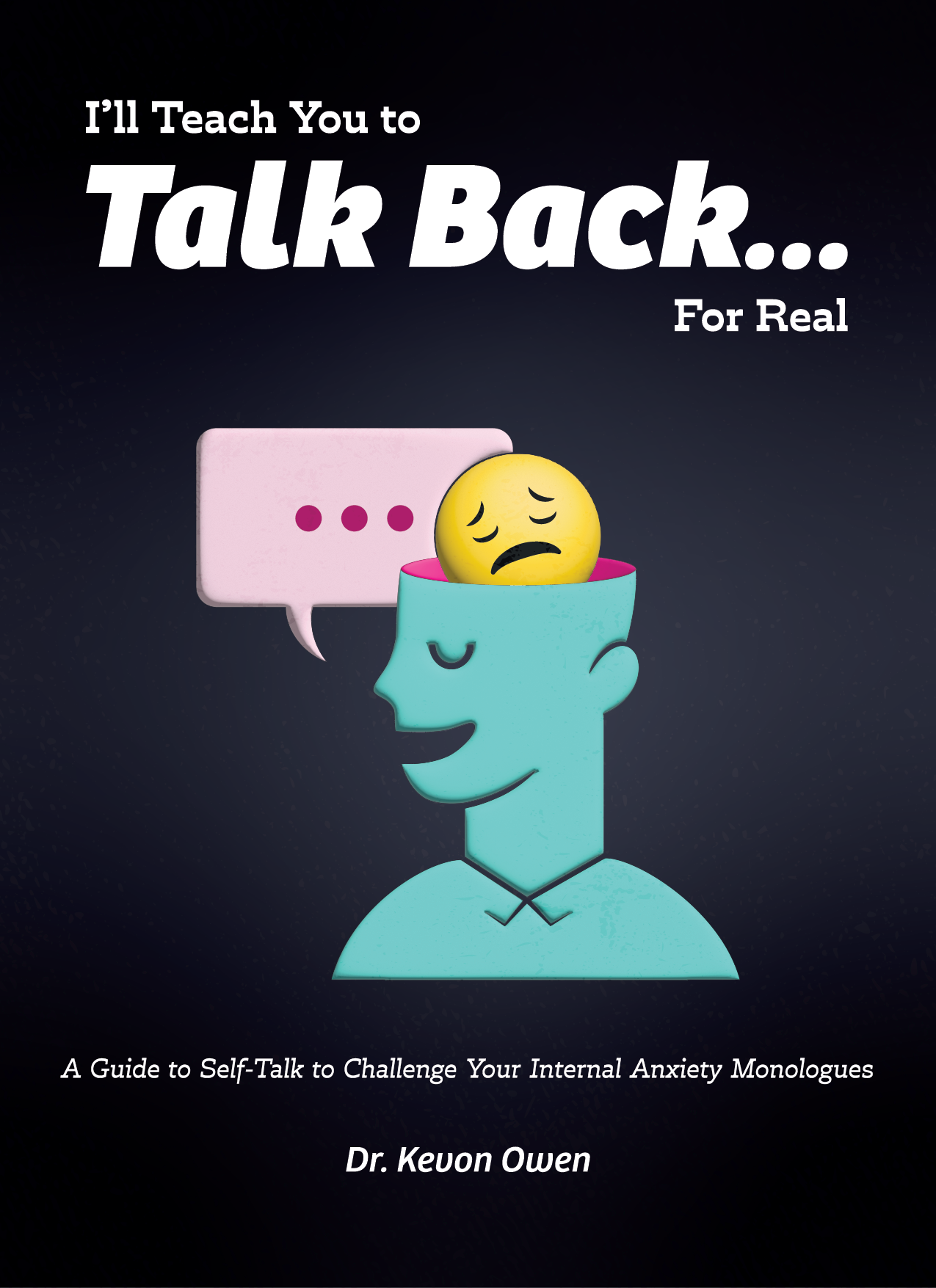
Stress often builds in small, quiet ways. A tense jaw. Shallow breaths. A racing mind between meetings. Mindful micro-breaks are short pauses, usually 30 seconds to 5 minutes, that help the body shift out of “go mode” and back into steadier ground. These breaks do not replace therapy or medical care. They do offer quick relief, better focus, and a calmer baseline when practiced consistently.
Micro-breaks work because the nervous system responds to tiny changes done on purpose. A slower exhale, a soft gaze, and a simple reset of posture can lower physical tension and reduce mental overload. The goal is not perfect calm. The goal is a small, repeatable reset that fits real life.
This guide explains what mindful micro-breaks are, how to do them in the moment, and how to build a simple routine that lasts. It also includes a local Oklahoma City note for busy schedules, a People Also Ask style Q&A section, and schema that supports local discovery.
What Mindful Micro-Breaks Are and Why They Help
A mindful micro-break is a brief pause that shifts attention from autopilot to awareness. It can happen at a desk, in a car, in a hallway, or in the kitchen. Unlike a longer meditation session, a micro-break is designed to be small enough that there is no “time excuse.”
Stress is not only a feeling. It often shows up as muscle tension, faster breathing, a tighter chest, and a constant scan for what might go wrong. Micro-breaks target these stress loops with small actions that send a different message to the body: “It is safe to soften for a moment.”
Over time, those moments add up. Many people notice fewer stress spikes, better sleep readiness at night, and more patience in relationships. Micro-breaks also pair well with clinical psychotherapy because they make room for clearer choices between sessions.
The Fast Reset Toolkit: 30 Seconds to 5 Minutes
Each tool below is meant to be simple and quiet. Pick one option, practice it for a week, then add another. Consistency matters more than variety.
1) The 3-Breath Downshift (30 to 45 seconds)
Sit or stand with both feet grounded. Inhale through the nose for a comfortable count. Exhale a little longer than the inhale. Do this three times. On each exhale, relax the tongue and unclench the jaw. A longer exhale is a quick way to signal “downshift” to the body.
2) The Soft-Gaze Reset (45 to 60 seconds)
Stress narrows attention. A soft gaze widens it. Look at a fixed point across the room. Let the eyes relax, as if looking “through” the point instead of at it. Notice three shapes and three colors without judging them. This is a quiet way to reduce mental noise.
3) Shoulder Drop and Release (60 to 90 seconds)
Lift shoulders toward the ears as you inhale. Hold gently for one second. Exhale and let the shoulders drop. Repeat three times. Add a slow neck roll if it feels safe. This practice is especially helpful during high-pressure workdays.
4) Name It to Tame It (2 minutes)
Stress grows when everything feels vague. Put words to the moment. Identify what is happening in one short line: “Tight chest, worried thoughts, rushed pace.” Then identify what is needed in one short line: “One minute to breathe, then one clear next step.” This supports emotional regulation without forcing a big change.
5) The Micro-Walk (3 to 5 minutes)
Stand up and walk slowly. Keep the phone in a pocket. Feel each foot meet the ground. If the mind runs, return to the sensation of steps. Even a short walk can reset attention and reduce the “stuck” feeling that comes with overwhelm.
A Simple Micro-Break Menu
- Three slow breaths with a longer exhale
- Soft gaze and name three colors
- Shoulder lift, hold, and release three times
- One-minute stretch: hands, wrists, neck
- Three-minute slow walk without a screen
How to Make Micro-Breaks Stick in Real Life
Most stress plans fail for one reason: they are too big. A mindful micro-break plan should be small, tied to a routine, and easy to repeat even on a rough day.
Use “Anchor Moments” Instead of Willpower
Choose moments that already happen. Examples include turning on a laptop, walking to the restroom, waiting for coffee, or buckling a seatbelt. Attach one micro-break to one anchor moment. Keep it the same for seven days.
Try the 2-2-2 Pattern
Two micro-breaks before noon, two in the afternoon, and two after work. These can be as short as 30 seconds. The pattern creates a steady rhythm that protects energy and mood.
Plan for the Hard Days
On a tough day, the mind will push back: “No time.” That is the exact day micro-breaks help most. The fallback plan is one breath with a longer exhale. One breath still counts.
Micro-Breaks at Work, at Home, and on the Road
At Work: Reduce Pressure Without Losing Momentum
Many people try to power through stress and end up drained by mid-afternoon. A 60-second reset between tasks can reduce errors, improve attention, and support more stable communication. Keep micro-breaks discreet. A longer exhale, a shoulder drop, and a soft gaze can happen without anyone noticing.
At Home: Stop the “Second Shift” Spiral
Home stress often comes from constant transitions. Work mode to family mode. Parent mode to partner mode. Micro-breaks can mark the shift. Before walking in the door, take three slow breaths. Before starting dinner, soften the jaw and relax shoulders. These small moves reduce snap reactions.
On the Road: A Safer Reset at Red Lights
Driving stress is common in busy seasons and heavy traffic. Micro-breaks while driving must stay safe and simple. Keep eyes open. Keep both hands ready. Use one long exhale at a red light. Relax the grip on the steering wheel. Release the shoulders. These are small choices that reduce tension without distraction.
Local Spotlight: Oklahoma City Schedules and Quick Calm
In Oklahoma City, many days include long drives, tight work blocks, and nonstop family logistics. Micro-breaks are a practical fit because they do not require a special space or a long window of time. A brief pause before a commute, a reset in a parking lot, or three breaths before a meeting can help the body stop treating every moment as an emergency.
When stress has a strong faith component, such as guilt, fear, or shame, micro-breaks can also create a quiet moment to regain clarity. A calm body supports clearer thinking, better boundaries, and more patient responses in marriage and family life.
When Stress Needs More Than Micro-Breaks
Micro-breaks are helpful for everyday stress relief. They are not a substitute for professional care. When stress becomes constant, sleep falls apart, panic symptoms appear, or relationships suffer, support may be needed. Clinical psychotherapy can help identify patterns, address trauma, and build skills that last.
Signs It May Be Time to Get Professional Support
- Sleep problems most nights for two weeks or more
- Panic symptoms, chest tightness, or frequent dizziness
- Anger or irritability that feels out of control
- Ongoing sadness, numbness, or loss of interest
- Using alcohol or other substances to “shut off” stress
If any symptoms feel urgent or unsafe, seek immediate help through local emergency services.
Common Questions Around Mindful Micro-Breaks for Stress Relief (PAA)
How long should a micro-break be to reduce stress?
A micro-break can be as short as 30 seconds. Many people feel a noticeable shift between 60 seconds and 3 minutes, especially with a longer exhale and relaxed shoulders. The best length is the one that will happen consistently.
Do micro-breaks work for anxiety and panic?
Micro-breaks can reduce physical arousal and help interrupt spiraling thoughts. For panic symptoms, grounding skills and professional care may be needed as well. A safe starting point is a longer exhale and noticing five things that can be seen.
How often should micro-breaks happen during the workday?
A practical target is 4 to 6 short breaks spread across the day. Pair them with routine anchors like opening email, finishing a task, or standing up for water. Regular spacing tends to work better than one long break.
What is the easiest micro-break for beginners?
The easiest option is three slow breaths with a longer exhale. It is discreet, fast, and does not require special tools. Add a shoulder drop on the exhale for an extra release.
Can micro-breaks improve focus and productivity?
Many people notice better focus after a short reset because the mind stops racing. A brief pause between tasks can reduce mistakes and help attention stay steady, especially during long screen days.
Do micro-breaks help couples and families?
Yes, because stress often spills into tone and reactions. A 60-second pause before a hard talk can reduce defensiveness and improve listening. Micro-breaks do not solve conflict, but they can lower the heat.
mindful micro-breaks, fast stress relief, quick mindfulness exercises, breathing for stress, nervous system reset, grounding techniques, stress management tips, emotional regulation skills, workplace stress relief, Oklahoma City counseling
mindfulness, grounding, breathwork, progressive muscle relaxation, stress response
Authority Links and Additional Resources
CDC: Managing Stress
MedlinePlus: Relaxation Techniques for Stress
American Psychological Association: Mindfulness Meditation and Stress
Expand Your Knowledge
NIMH: “I’m So Stressed Out!” Fact Sheet
NCCIH: Stress and Complementary Approaches
MedlinePlus: How to Improve Mental Health
Visit in Oklahoma City
Kevon Owen Christian Counseling Clinical Psychotherapy OKC. 10101 S Pennsylvania Ave C, Oklahoma City, OK 73159. 405-740-1249 and 405-655-5180. https://www.kevonowen.com.
stress relief, mindfulness, coping skills, anxiety support, emotional regulation, psychotherapy, Oklahoma City counseling