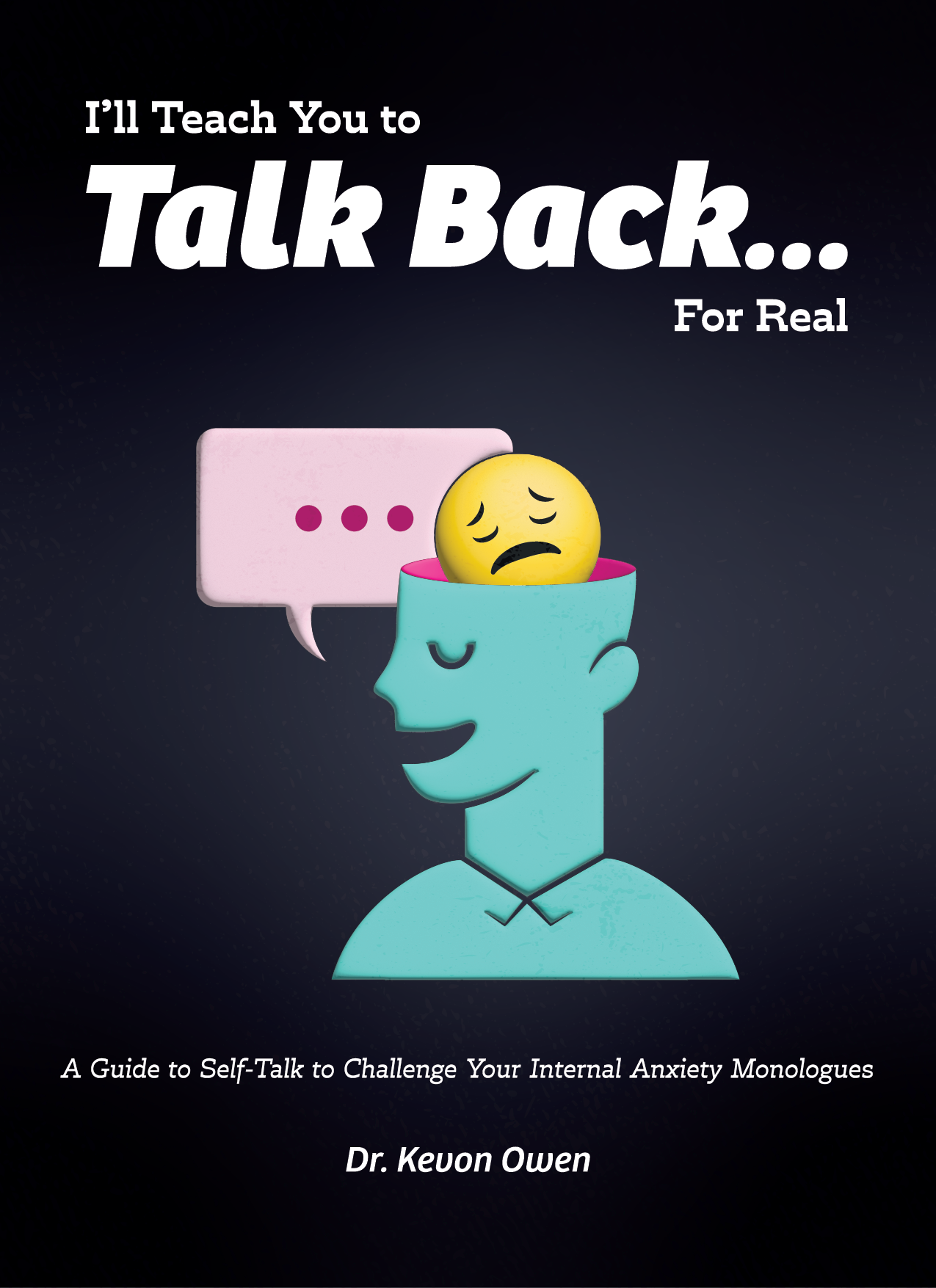
Small Habits That Quiet a Busy Mind
A busy mind is often a protective mind. It tries to plan, predict, and prevent problems. The goal is not fake happiness or constant calm. The goal is to lower the noise so choices feel easier. The habits below are small on purpose, designed for real life, and built to support both mind and body.
A loud thought-stream can show up as worry, replaying old moments, checking the phone, or feeling “on” even when sitting still. Telling the mind to “stop” rarely works. The mind hears pressure and speeds up. What helps more is giving the nervous system clear cues that the present moment is safe enough to pause.
Forced positivity can also backfire. When life is hard, “look on the bright side” may feel like denial. A steadier approach is to practice skills that reduce overload, even while emotions stay mixed. Calm does not require a perfect mood.
What a “busy mind” is really doing
Most people do not overthink because they enjoy it. Overthinking usually starts as problem-solving. The mind scans for risk, tries to prepare, and attempts to keep pain away. When stress is high, sleep is off, or life feels uncertain, that system can get stuck in high gear.
Busy-mind moments often come with body signals too: tight shoulders, a clenched jaw, shallow breathing, restless legs, or a buzzing feeling behind the eyes. That matters because mind-only advice can fall flat when the body is still braced. The most helpful habits include a body step, even if it is tiny.
Local Spotlight: Everyday stress in South OKC
In Oklahoma City, many schedules are built around commuting, school pickup, church and community events, and family obligations that stack fast. When the day runs on deadlines, the mind may keep sprinting long after the body sits down. A small “transition habit” can help. A transition habit is a two-minute reset done between roles, such as work to home, parenting to chores, or errands to evening.
Transition habits work well because they fit into existing routines. No new lifestyle is required. The mind gets a clean break between chapters of the day, which reduces the urge to keep reviewing everything at night.
Five small habits that quiet the mind without forced positivity
- Name the channel: When thoughts race, label the pattern instead of arguing with it. Examples: “future planning,” “past replay,” “self-criticism,” or “threat scanning.” Naming creates distance. The thought becomes an event, not an order.
- Long exhale cue: Inhale normally through the nose. Exhale slowly for about 6 to 8 seconds, like cooling soup. Repeat three times. A longer exhale often signals the body to downshift.
- One next right step (2 minutes): Ask, “What is one next right step that takes less than two minutes?” Examples: refill water, send a short text, open the document, put shoes by the door, or set out tomorrow’s keys. Progress reduces mental looping.
- Write the loop in one sentence: Put the worry into a single line: “The story my mind is telling is ______.” Examples: “I’m behind.” “They’re upset with me.” “I will mess this up.” One sentence makes the loop easier to spot and less likely to multiply.
- Mini boundary with inputs: Busy minds often run on constant input. Choose one boundary for the next hour: no news, no social scrolling, or no checking email. Less input means fewer tabs open in the brain.
These habits can be mixed and matched. The best results come from repeating the same two or three skills for a week, rather than trying ten skills once each.
When the mind gets loud at night
Nighttime is a common time for racing thoughts because distractions drop away. The brain finally has quiet space, then fills it with unfinished business. A simple goal is to teach the brain that bed is for sleep, not for planning.
One helpful approach is a short “brain parking” routine done before the pillow. Write down tomorrow’s top priorities and one worry to revisit at a set time the next day. That way, the mind is not forced to “let it go.” It is allowed to set it down with a plan.
Screen use close to bedtime can also keep the brain alert. Many sleep clinicians recommend a wind-down period without screens so the body can shift into sleep mode more easily.
How to tell which habit fits the moment
The same person can have different kinds of busy-mind days. Matching the tool to the moment improves results.
If the mind is stuck in “what if” mode: try the one-sentence loop, then a two-minute next step.
If the mind is replaying conversations: name the channel, then do a long-exhale cue while looking around the room and noticing neutral objects.
If the body is jittery or keyed up: do the long-exhale cue first, then reduce inputs for one hour.
If the mind is overloaded with tasks: use the next-right-step habit, then write tomorrow’s top priorities before bed.
When to reach for more support
Small habits help many people, but some situations call for more than self-help. If any of the patterns below feel familiar, professional support can make these skills easier to use and more effective.
- Sleep is disrupted most nights for several weeks.
- Panic symptoms show up, such as chest tightness, shortness of breath, or feeling out of control.
- Focus is hard most days, and work or school performance is slipping.
- Irritability or numbness is increasing, and relationships feel strained.
- Alcohol, marijuana, or constant scrolling is becoming the main coping tool.
Support can include counseling, skills-based therapy, sleep coaching, medical evaluation, or a combination. The right plan depends on the full picture, including stress load, trauma history, health factors, and current supports.
Common Questions Around Quieting a Busy Mind (PAA)
Why does the mind race even when life is “fine”?
The brain does not only react to today. It also reacts to accumulated stress, lack of rest, and old threat-learning. Even good seasons can feel unsafe if the body expects the other shoe to drop. A steady routine of small calming cues can retrain that expectation over time.
How can overthinking stop without “trying harder”?
Overthinking often grows under pressure. Skills work better when they are short, repeatable, and tied to normal routines. Naming the thought-pattern, doing a long exhale, and taking one small next step can reduce the loop without a power struggle.
What helps racing thoughts at bedtime?
A pre-bed “brain parking” routine is often useful. Write down tomorrow’s priorities and any worries that need attention at a set time the next day. A screen-free wind-down also helps many people shift into sleep mode.
Is a busy mind always anxiety?
Not always. It can be anxiety, burnout, grief, ADHD, trauma responses, depression, chronic pain, or a season of overload. If the busy mind has been present since childhood, and distractibility and time-blindness are common, an ADHD screening may be worth discussing with a qualified professional.
What if breathing exercises make anxiety worse?
That can happen, especially with panic history or trauma. In that case, keep eyes open, look around the room, notice neutral objects, and use gentle movement like walking. Body-based grounding can be a better first step than focused breathing for some people.
How long does it take for these habits to work?
Some people notice a shift the first day. For others, the change is gradual. Progress often looks like faster recovery after stress, fewer spirals, and easier sleep onset. Consistency matters more than intensity.
Find local support in Oklahoma City
For those who want help building practical coping skills, exploring root causes, and creating a plan that fits real life, local counseling support can help.
Call to action:
Kevon Owen Christian Counseling Clinical Psychotherapy OKC.
10101 S Pennsylvania Ave C, Oklahoma City, OK 73159.
405-740-1249 and 405-655-5180.
https://www.kevonowen.com
quiet a busy mind, stop overthinking, racing thoughts at night, anxiety coping skills, nervous system calming, stress management, sleep routine, cognitive overload, grounding techniques, counseling in Oklahoma City
anxiety, overthinking, stress, sleep, coping skills, Oklahoma City counseling
rumination, racing thoughts, nervous system regulation, sleep onset insomnia, cognitive overload
https://www.nimh.nih.gov/health/topics/anxiety-disorders
https://www.cdc.gov/mentalhealth/learn/index.htm
https://en.wikipedia.org/wiki/Rumination_(psychology)
https://www.health.harvard.edu/blog/slowing-down-racing-thoughts-202303132901
https://health.clevelandclinic.org/when-youre-trying-to-sleep-but-your-mind-is-racing-give-these-tactics-a-try