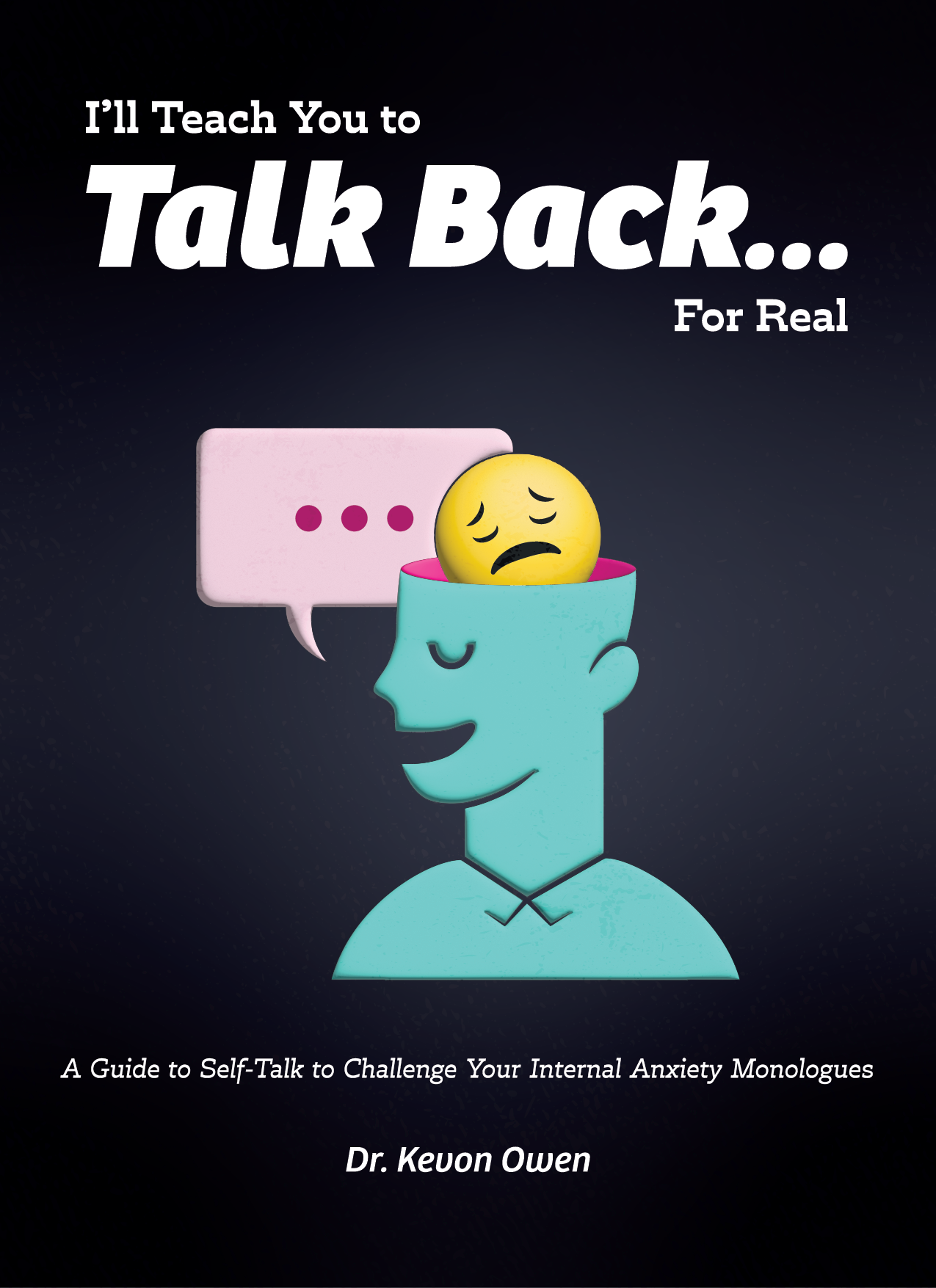
High-functioning anxiety is often overlooked because it hides behind success, ambition, and outward composure. This article explores how high-functioning anxiety manifests, why it remains undiagnosed, and how individuals in Oklahoma City can seek support. We’ll cover symptoms, coping strategies, local mental health resources, and practical steps to reclaim balance and well-being.
Introduction: The Invisible Burden of High-Functioning Anxiety
On the surface, individuals with high-functioning anxiety appear confident, productive, and goal-oriented. They meet deadlines, manage responsibilities, and are often the ones people rely on. Yet internally, they struggle with constant overthinking, excessive self-doubt, and an inability to relax.
Unlike generalized anxiety disorder (GAD) or panic disorder, which may involve more outward signs of distress, high-functioning anxiety tends to go unnoticed—even by those experiencing it.
Why Is High-Functioning Anxiety Overlooked?
It Looks Like Success – Anxiety-fueled productivity is often mistaken for dedication and work ethic.
People Don’t Talk About It – Many fear admitting anxiety could make them seem weak or incapable.
Lack of Obvious Symptoms – Unlike traditional anxiety, which may cause panic attacks, high-functioning anxiety manifests in subtler ways.
The fast-paced nature of Oklahoma City’s growing job market, education system, and business sectors means many residents push through anxiety without recognizing its toll. Understanding the hidden symptoms is the first step toward meaningful change.
Signs and Symptoms of High-Functioning Anxiety
Since high-functioning anxiety is not an official clinical diagnosis, its symptoms often blend into everyday behaviors. Here’s how to recognize it:
External Signs (What Others See)
Perfectionism: Setting unrealistically high standards, often feeling like nothing is “good enough.”
Overworking: Difficulty saying no, taking on excessive responsibilities, and fearing failure.
People-Pleasing: Prioritizing others’ needs over personal well-being to avoid conflict or rejection.
Restlessness: Constantly moving, fidgeting, or feeling unable to relax fully.
Avoiding Downtime: Filling schedules to avoid being alone with one’s thoughts.
Internal Symptoms (What’s Happening Inside)
Excessive Worrying: Constantly analyzing past conversations or fearing future mistakes.
Racing Thoughts: Persistent mental “checklists” of tasks, fears, or what-ifs.
Sleep Problems: Difficulty falling or staying asleep due to overthinking.
These symptoms can become overwhelming for Oklahoma City residents, especially in demanding workplaces, academic settings, or social environments where high performance is expected.
Local Spotlight: Managing Anxiety in Oklahoma City
Oklahoma City has a thriving workforce, educational institutions, and entrepreneurs balancing multiple responsibilities. High-functioning anxiety is particularly prevalent among:
Teachers & Educators: Managing large classrooms, lesson plans, and standardized testing pressures.
Healthcare Professionals: Facing demanding schedules, patient care responsibilities, and emotional fatigue.
Corporate Employees & Entrepreneurs: Navigating business growth, deadlines, and financial stress.
Students & Young Professionals: Balancing academics, career planning, and social expectations.
Oklahoma City’s Mental Health Resources
1. Oklahoma Department of Mental Health and Substance Abuse Services (ODMHSAS)
Offers free and low-cost counseling services.
Provides mental health crisis hotlines and support groups.
2. University of Oklahoma Health Sciences Center – Psychiatry & Behavioral Sciences
Specializes in evidence-based treatments like Cognitive Behavioral Therapy (CBT) for anxiety.
Offers therapy services tailored to students and professionals.
3. Mental Health Association Oklahoma
Provides education, community events, and access to licensed therapists.
These resources allow Oklahoma City residents to seek help without stigma or financial barriers.
Challenges and Opportunities: Addressing High-Functioning Anxiety in OKC
The Stigma Around Anxiety in Professional Circles
In Oklahoma City’s fast-growing economy, many professionals feel pressured to maintain an image of resilience. Admitting anxiety is often seen as a weakness rather than a mental health concern.
Opportunity for Awareness and Change
The increasing number of mental health events, corporate wellness programs, and local therapy initiatives in OKC is shifting the conversation. By normalizing discussions around mental health, individuals can seek help without fear of judgment.
Effective Coping Strategies for High-Functioning Anxiety
1. Mindfulness and Stress Reduction
Practicing mindfulness, deep breathing, and meditation can help quiet racing thoughts.
Try classes at This Land Yoga or Breathing Space Yoga & Meditation Studio in OKC.
Use meditation apps like Headspace or Calm for guided sessions.
2. Cognitive Behavioral Therapy (CBT) & Professional Counseling
CBT helps individuals reframe negative thought patterns and develop healthier coping mechanisms. Oklahoma City has a variety of licensed therapists specializing in anxiety treatment.
3. Establishing Work-Life Boundaries
Limit work emails and phone calls outside office hours.
Schedule non-negotiable personal time for relaxation.
Use local nature spots like Myriad Botanical Gardens for unwinding.
4. Reducing Caffeine and Alcohol Intake
Both caffeine and alcohol can worsen anxiety symptoms. Opting for herbal teas or natural energy boosters can improve overall well-being.
5. Engaging in Physical Activity
Regular exercise reduces stress hormones. Oklahoma City residents can explore the following:
Walking or biking along Lake Hefner Trails.
Attending fitness classes at Red Coyote Running & Fitness.
Practicing yoga or pilates to promote relaxation.
Common Questions Around High-Functioning Anxiety in Oklahoma City
1. How do I know if I have high-functioning anxiety?
If you experience persistent self-doubt, overworking tendencies, difficulty relaxing, and physical stress symptoms despite outward success, you may be dealing with high-functioning anxiety.
2. What are the best anxiety treatments in Oklahoma City?
Therapies like CBT, mindfulness-based stress reduction (MBSR), and support groups are available through local mental health organizations.
3. Can I manage high-functioning anxiety without medication?
Yes! Many people benefit from therapy, lifestyle adjustments, and natural stress-management techniques. However, some may need medication, which should be discussed with a mental health professional.
Conclusion: Reclaiming Balance and Mental Wellness
High-functioning anxiety is real, and it doesn’t have to remain hidden. By recognizing its signs, seeking professional help, and implementing self-care strategies, Oklahoma City residents can break free from anxiety-driven perfectionism and reclaim their well-being
For counseling services, contact https://www.kevonowen.com or call now. 405-740-1249 or 405-655-5180.
High-functioning anxiety can hide behind achievement, reliability, and a calm public image. A person may meet deadlines, care for family, stay organized, and still carry constant worry, muscle tension, poor sleep, racing thoughts, and fear of letting...
Perfectionism often looks like high standards, discipline, and strong motivation. Under the surface, it can also bring anxiety, shame, procrastination, strained relationships, and a constant sense of falling short. Learning "good enough" does not mean giving up on...
Strong family relationships are not built only through big vacations, expensive outings, or perfectly planned weekends. In most homes, connection grows through short, repeated moments that happen in the middle of real life. A shared breakfast, a ten-minute walk, a...
Insomnia can linger when stress, anxiety, habits, and health factors keep the sleep cycle stuck. Learn how therapy can help people in Oklahoma City address ongoing sleep problems and build healthier rest. Insomnia is more than a rough night or two. It...
Stress can rise fast during a tense meeting, a hard conversation, a traffic jam, a school pickup, or a restless night. Breathing tools offer a simple way to slow the body’s alarm response and create a small pocket of calm. They do not fix every problem, but they can...
Healing is rarely instant. For many people, it is a journey filled with growth, reflection, setbacks, faith, and renewed hope. In this video, the focus is on how Christian counseling can help individuals navigate anxiety, depression, stress, trauma, relationship...
Family meetings can turn daily stress into steady, honest communication. When handled with a simple plan, these conversations help parents and children solve problems, share responsibilities, reduce conflict, and build trust at home. A regular meeting does not need to...
Overwhelm can leave the body feeling tense, scattered, and unsafe, even in ordinary moments. Tiny breaks can help calm the stress response, steady breathing, and create enough space to think clearly again. This guide explains how short, simple resets support the...
Living with bipolar disorder often means learning how to protect stability, lower stress, and notice early signs of change before life feels unsteady. A daily routine cannot erase every symptom, but it can support treatment, reduce chaos, and make each day feel more...
Affirmations can be helpful, but only when they feel believable. A statement that feels forced is often rejected by the very inner voice it is meant to calm. When someone is stuck in a cycle of shame, fear, self-criticism, or hopeless thinking, repeating a phrase...