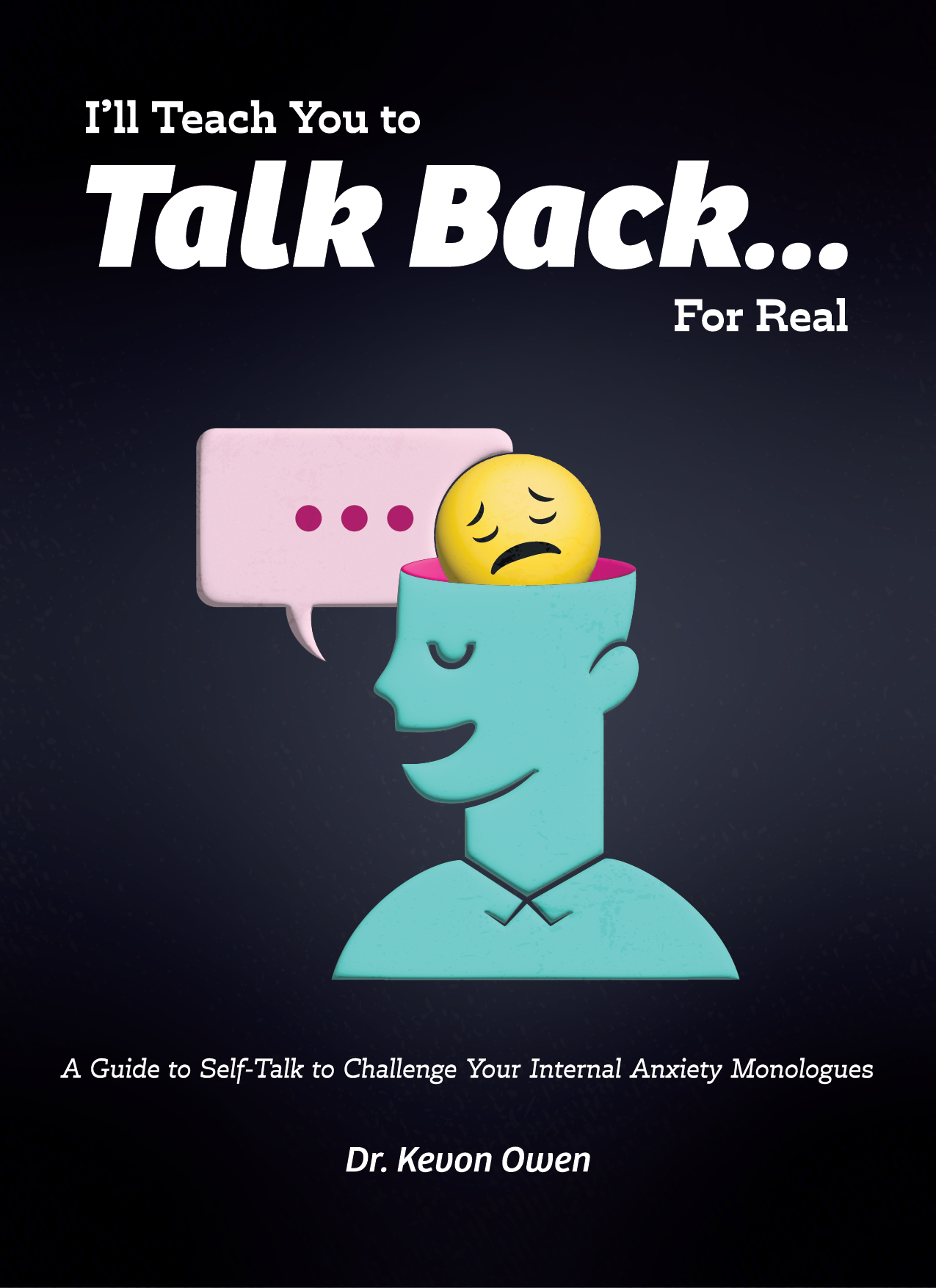

Ways to Keep Your Anxiety at Bay
Anxiety is a common issue that many people face daily. It can manifest in various ways, including physical symptoms, emotional distress, and cognitive disruptions. However, there are numerous strategies and techniques to manage and reduce anxiety effectively. This article explores several ways to keep your anxiety at bay and improve your overall well-being.
1. Practice Mindfulness and Meditation
Mindfulness and meditation are powerful tools for managing anxiety. These practices involve focusing on the present moment and acknowledging your thoughts and feelings without judgment. Regular mindfulness practice can help you become more aware of your anxiety triggers and respond to them more calmly.
How to Practice:
Mindful Breathing: Spend a few minutes each day focusing on your breath. Pay attention to the sensation of air entering and leaving your body.
Guided Meditation: Use apps or online resources to follow guided meditation sessions. These can help you relax and center your thoughts.
Body Scan: Take time to scan your body from head to toe mentally, noting any areas of tension and consciously relaxing them.
2. Exercise Regularly
Physical activity is one of the most effective ways to reduce anxiety. Exercise releases endorphins, natural mood lifters, and helps lower stress hormones like cortisol. Additionally, regular exercise can improve sleep, boost self-confidence, and provide a healthy distraction from anxious thoughts.
Recommended Activities:
Cardio: Running, swimming, or cycling can elevate your heart rate and release endorphins.
Yoga: Combines physical movement with mindfulness, reducing stress and promoting relaxation.
Strength Training: Building physical strength can also boost mental resilience.
3. Maintain a Healthy Diet
What you eat can have a significant impact on your mental health. A balanced diet rich in nutrients can help stabilize your mood and energy levels. Avoiding caffeine, alcohol, and sugar can also reduce anxiety symptoms.
Key Nutrients:
Omega-3 Fatty Acids: Omega-3s in fish, flaxseeds, and walnuts are known to improve brain health and reduce anxiety.
Magnesium: Leafy greens, nuts, and whole grains are good sources of magnesium, which can help regulate emotions.
Probiotics: Foods like yogurt, kefir, and sauerkraut support gut health, which is linked to mental health.
4. Get Adequate Sleep
Lack of sleep can exacerbate anxiety. Ensuring you get enough restful sleep is crucial for maintaining mental health. Establishing a regular sleep routine can help your body and mind relax.
Sleep Tips:
Create a Routine: Go to bed and wake up at the same time each day.
Limit Screen Time: Avoid screens for at least an hour before bedtime to reduce blue light exposure.
Relaxing Environment: Ensure your bedroom is dark, calm, and quiet. If necessary, consider using earplugs or a white noise machine.
5. Develop Healthy Coping Mechanisms
Healthy coping mechanisms are essential for managing anxiety. These can include hobbies, social activities, and relaxation techniques.
Suggestions:
Creative Outlets: Engage in activities like drawing, writing, or playing music to express emotions.
Social Support: Spend time with friends and family who understand and support you.
Relaxation Techniques: Progressive muscle relaxation, deep breathing exercises, and aromatherapy can help reduce anxiety.
6. Limit Caffeine and Alcohol
Caffeine and alcohol can increase anxiety levels. Caffeine can make you feel jittery and exacerbate anxiety symptoms, while alcohol can disrupt your sleep and increase feelings of depression and anxiety.
Alternatives:
Herbal Teas: Chamomile and peppermint tea are known for their calming effects.
Water: Staying hydrated is essential for overall health and can help keep anxiety at bay.
7. Seek Professional Help
Sometimes, anxiety can be overwhelming and challenging to manage alone. Seeking help from a mental health professional can provide you with additional strategies and support.
Options:
Therapy: Cognitive-behavioral therapy (CBT) is particularly effective for treating anxiety. A therapist can help you identify and change negative thought patterns.
Medication: In some cases, medication may be prescribed to help manage anxiety symptoms. Always discuss this option with a healthcare provider.
Support Groups: Joining a support group can provide a sense of community and shared experience.
8. Practice Gratitude
Focusing on positive aspects of your life can help shift your mindset and reduce anxiety. A gratitude journal can be a simple yet effective way to cultivate a positive outlook.
How to Practice:
Daily Entries: Write down three things you are grateful for each day.
Reflect on Positive Experiences: Spend time reflecting on positive events and experiences in your life.
9. Set Realistic Goals
Setting and achieving realistic goals can provide a sense of accomplishment and purpose, which can help reduce anxiety. To avoid feeling overwhelmed, break down larger tasks into smaller, manageable steps.
Tips:
SMART Goals: Ensure your goals are Specific, Measurable, Achievable, Relevant, and Time-bound.
Prioritize: Focus on what is most important and tackle tasks individually.
10. Limit Exposure to Stressors
While avoiding all stressors is impossible, you can limit your exposure to unnecessary stress. This might involve setting boundaries, declining additional responsibilities, or avoiding negative media.
Strategies:
Time Management: Plan your day to avoid last-minute stress.
Boundaries: Learn to say no and set limits to protect your mental health.
Media Consumption: Limit your exposure to news and social media if it increases anxiety.
In conclusion, managing anxiety involves a combination of lifestyle changes, coping strategies, and, when necessary, professional support. Incorporating these practices into your daily routine can reduce stress and improve your overall quality of life. Remember, being patient with yourself is essential, and you should recognize that progress takes time.
For anxiety therapy, visit https://www.kevonowen.com or call 405-740-1249 or 405-655-5180.