
people, relationship difficulties and family therapy concept – couple with problem at psychologist office
One of the most common ways to deal with any couples issues is to seek out counseling. Talking with a professional can help resolve problems and get both people on the right track.
Unfortunately, it is relatively common for couples to not agree on getting couples counseling. There might be one set on exploring a possible solution, while the other is against it for one reason or another.
Kevon Owen, a Christian counselor licensed in clinical psychotherapy, sees this issue pop up all the time. He understands that it can often be very frustrating for someone who is trying to schedule counseling but is not getting cooperation from the other person. The truth is, forcing the issue too much likely will lead to an even greater distance.
There are some ways to address the situation responsibly. Many have had success in the past by following these tips to ultimately start receiving psychiatry assistance.
Talk about issues
Most people who are against receiving any psychology help has their reasons. If the counseling idea is shut down right away, see if there’s any way to talk about why. It might just be something as simple as genuine fear. Not everyone is comfortable talking about personal issues with a stranger, even if they are a licensed professional.
Another primary reason why people fear going to therapy is that they are not going to hear what they want. Talking about how it could quickly go against the other person is one way to get past this issue.
Asking follow-up questions, instead of just accepting a simple “no,” at least starts a dialogue. People do need to realize when to stop pushing for answers if two people do not see eye-to-eye at all. Just try talking about issues with counseling, because in some cases, a short conversation can flip someone.
Act as a team
Even if a couple has plenty of differences, counseling should always be a team effort. Explain that going in for counseling is about both parties taking responsibility for their actions. This is not a case of telling on one another and trying to win a battle. It should be a collaborative effort from start to finish.
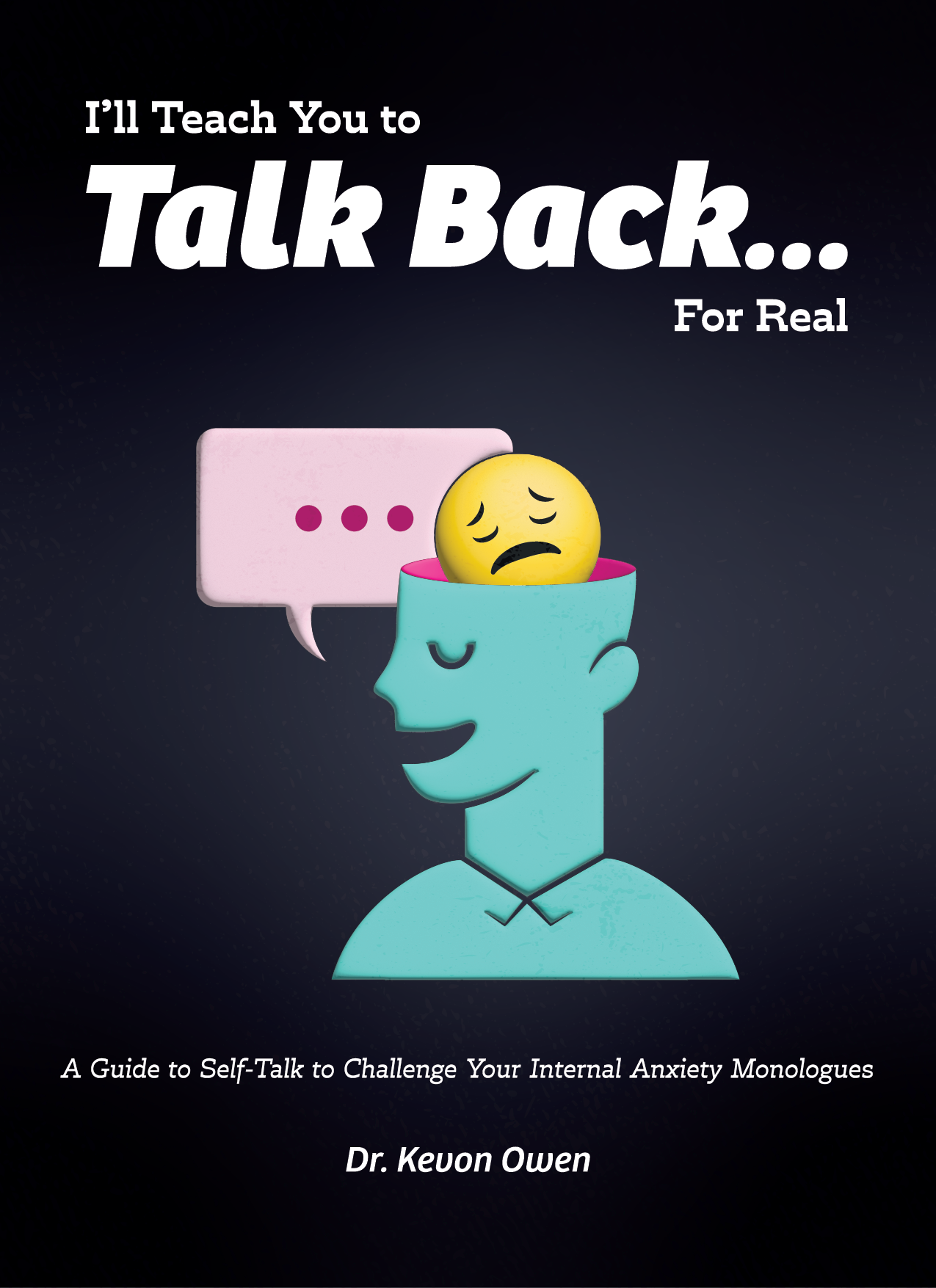
Read counseling and self-help books first
To ease into the mindset of going to a counselor, there’s the option of reading counseling and self-help books that are out there. This will at least put people in the right mindset when it comes to receiving couples counseling.
As for what books help best, there are so many out there depending on specific situations. The best thing to do is to search self-help books by particular topics, and then read reviews on the top choices.
Try couples counseling alone
If a team effort is just not happening at the time, there is the option to seek out couples counseling as an individual. Many people who do this feel like they genuinely benefit from a session, and it could eventually open up the door for a collaborative effort.
Going to couples counseling alone shows that there is dedication on fixing any issues. It’s not a matter of just talking about issues and hoping for the best. One person can act as the guinea pig, finding the right counselor and opening up the door for both to go later on.
Just remember that there is a chance that couples counseling might be a solo project forever. There are still benefits to going through it, but there’s no guarantee that the other person will finally give in. View it as a way to receive self-help, but never assume that it will automatically lead to collaborative counseling.
Final thoughts
It’s frustrating when one person views counseling is essential, while the other is just not feeling it. Kevon Owen comes across this issue daily. When looking for someone in psychiatry in OKC, he is one of the few people who focus on crafting unique ideas and plans for each person or a couple. To learn more, visit https://kevonowen.com, or give him a call at 405.740.1249. http://bit.ly/3aRUZDv