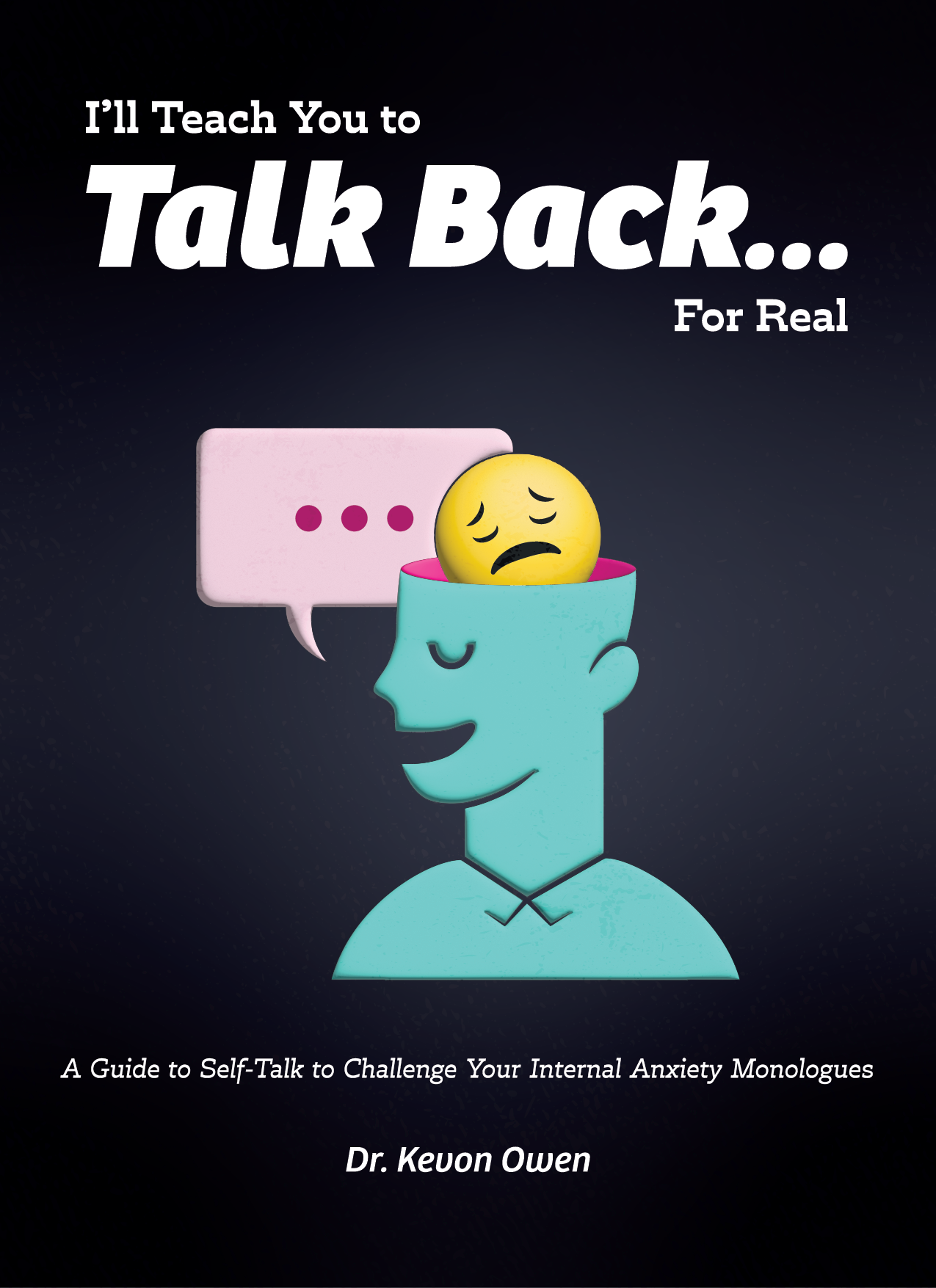

Thanksgiving is traditionally a time for reflection and gratitude, but for many, the holiday can amplify feelings of emptiness, sadness, or disconnect. This article explores why some individuals struggle to feel thankful, especially during Thanksgiving, and provides practical, empathetic strategies to rediscover gratitude, even in difficult times.
Thanksgiving often conjures images of family gatherings, abundant meals, and heartfelt expressions of gratitude. However, for some, the holiday brings more stress than joy. Whether due to personal loss, mental health struggles, unresolved conflicts, or unmet expectations, finding “thankful” can feel elusive. You’re not alone if you’ve ever been in this emotional space. Many struggle to reconcile the cultural emphasis on gratitude with their internal reality.
In this article, we’ll explore why finding gratitude can be challenging, the psychological impact of these struggles, and actionable steps to cultivate thankfulness, even when it feels out of reach.
Why Gratitude Feels Hard to Find
-
Life Challenges Weighing You Down
Major life events—the loss of a loved one, financial difficulties, or health concerns—can make gratitude inaccessible. When your mind is preoccupied with survival or coping, pausing to count blessings might feel unnatural. -
Mental Health Factors
Depression, anxiety, and other mental health conditions can suppress feelings of gratitude. The emotional fatigue associated with these challenges can obscure positive feelings, leaving an overwhelming sense of numbness. -
Comparison Culture
Social media and societal expectations can exacerbate feelings of inadequacy, especially during Thanksgiving. Comparing your life to curated snapshots of others’ seemingly perfect holidays can magnify discontent. -
Unrealistic Holiday Expectations
The pressure to meet holiday ideals—flawless dinners, harmonious family gatherings, and picture-perfect memories—can lead to disappointment when reality falls short.
Steps to Rediscover Gratitude
1. Acknowledge and Accept Your Feelings
It’s okay to feel unthankful. Suppressing negative emotions can make them more powerful. Instead, permit yourself to feel what you’re feeling without judgment. WritePlease write your feelings in a journal or talk to a trusted friend or counselor to process them.
2. Reframe Your Focus
Instead of forcing gratitude, focus on moments of neutrality or small comforts. For example:
-
A warm cup of tea.
-
A cozy blanket.
-
A kind word from a stranger.
Shifting the focus to manageable positives helps create a foundation for more significant feelings of gratitude to grow.
3. Start a “Micro-Gratitude” Practice
Gratitude doesn’t have to be monumental. Consider starting with a single moment of appreciation each day. Examples might include:
-
“I’m grateful for clean water to drink.”
-
“I’m thankful for the sunrise.”
By consistently naming these small moments, you gradually train your mind to notice the good in your surroundings.
4. Lean Into Community Support
Isolation can intensify feelings of despair, especially during the holidays. Reach out to loved ones, join community events or volunteer. Being part of something larger than yourself can reignite feelings of purpose and connection.
5. Practice Self-Compassion
Instead of pressuring yourself to feel thankful, extend kindness to yourself. Self-compassion involves treating yourself like a close friend—acknowledging pain while offering comfort.
Did You Know?
Thanksgiving isn’t universally celebrated in the same way. While the U.S. emphasizes gratitude and feasting, other cultures have their gratitude traditions:
-
Japan celebrates Kinrō Kansha no Hi (Labor Thanksgiving Day), a public holiday honoring workers and reflecting on communal contributions.
-
Canada celebrates Thanksgiving in October, emphasizing harvest gratitude with a more relaxed approach than its U.S. counterpart.
Understanding these global perspectives can remind us that gratitude isn’t confined to a single day or expression—it’s a mindset that can take many forms.
Tools to Foster Gratitude in Difficult Times
-
Gratitude Jar
Place a jar in your home and write down one positive thing to add daily. Over time, these small notes can be a powerful reminder of the good in your life. -
Grounding Exercises
When overwhelmed, focus on your immediate environment to center yourself. Try the 5-4-3-2-1 technique:-
5 Five things you see.
-
4 Four things you feel.
-
3 Three things you hear.
-
2 Two things you smell.
-
1 One you taste.
Practicing mindfulness through grounding can shift your perspective toward appreciation of the present.
-
-
Professional Support
Therapy can provide a safe space to unpack why gratitude feels distant. Cognitive-behavioral therapy (CBT) helps reframe negative thinking patterns to promote positivity.
Stories of Gratitude in Adversity
Sometimes, hearing how others found gratitude in hardship can inspire hope:
-
The Power of Resilience: After losing her home in a natural disaster, a woman found gratitude in the outpouring of support from strangers, teaching her that community transcends material loss.
-
Small Wins: A man recovering from chronic illness began keeping a journal of small daily victories, like walking farther or laughing with a friend. Over time, these entries became his anchor for gratitude.
These stories remind us that gratitude doesn’t erase pain but can coexist alongside it.
Common Questions Around “Finding Thankful”
Q: Is it normal to feel ungrateful during Thanksgiving?
A: Yes, it’s completely normal. Gratitude is a practice, not an obligation. Feeling unthankful doesn’t make you unappreciative—it makes you human.
Q: How can I celebrate Thanksgiving without feeling forced to be thankful?
A: Focus on connection rather than gratitude. Spend time with loved ones, engage in acts of kindness, or simplify the day in a way that feels authentic to you.
Q: Can gratitude change how I feel?
A: Yes, but it’s a gradual process. Research shows that consistent gratitude practices can rewire the brain to focus on positives over time, but there’s no quick fix.
Related Terms
-
Gratitude journaling
-
Mindfulness during holidays
-
Holiday stress management
-
Community connection
-
Cognitive reframing
Additional Resources
-
Harvard Health: The Power of Gratitude
-
National Alliance on Mental Illness (NAMI): Coping During the Holidays
-
Psychology Today: Finding Gratitude
Expand Your Knowledge
-
More excellent Good Science Center: Gratitude Resources
-
Verywell Mind: Benefits of Gratitude
-
Mindful.org: Gratitude Practices
When you can’t find your thankfulness, remember that gratitude is a journey, not a destination. It’s okay to struggle. By taking small steps—acknowledging your emotions, leaning into community, and embracing self-compassion—you can rediscover gratitude in authentic ways. This Thanksgiving, allow yourself the grace to feel what you think, and know that even in the most challenging times, tiny sparks of gratitude can begin to grow.
For counseling services, visit www.kevonowen.com or call now. 405-740-1249 or 405-655-5180.