

Why Fathers Are Psychologically Set Up to Withdraw From Their Families

Mar 15, 2019 | Clinical Psychotherpy

individual therapy edmond oklahoma


Dads don’t want to shut down emotionally, they just don’t feel properly prepared for the alternatives.

There are a lot of tropes about fathers, but one tends to stick out the most: the distant. He’s there, he’s present — sort of — but he seems distant and far away. He’s the dad on Stranger Things who reads the paper at breakfast and doesn’t really seem to engage with his family; he’s the dad who comes home from work and immediately retreats to the den. It’s a cliche, but it’s a cliche for a reason. Men tend to withdraw.

Dads withdraw emotionally not out of lack of love for their families, but often an overwhelming amount of it combined with an inability to cope. This impulse is relatively universal and not entirely their fault. When boys are brought up to believe that many emotions are not acceptable, learning to deal with them as a man can be a challenge, but learning to deal with them as a new parent is a minefield. As much as fathers shut down for the same reasons men do in general, when children are involved the stakes become higher. Dads can feel less in control than ever before and double-down on this distancing, leaving their spouses and kids to wonder what the hell is wrong.

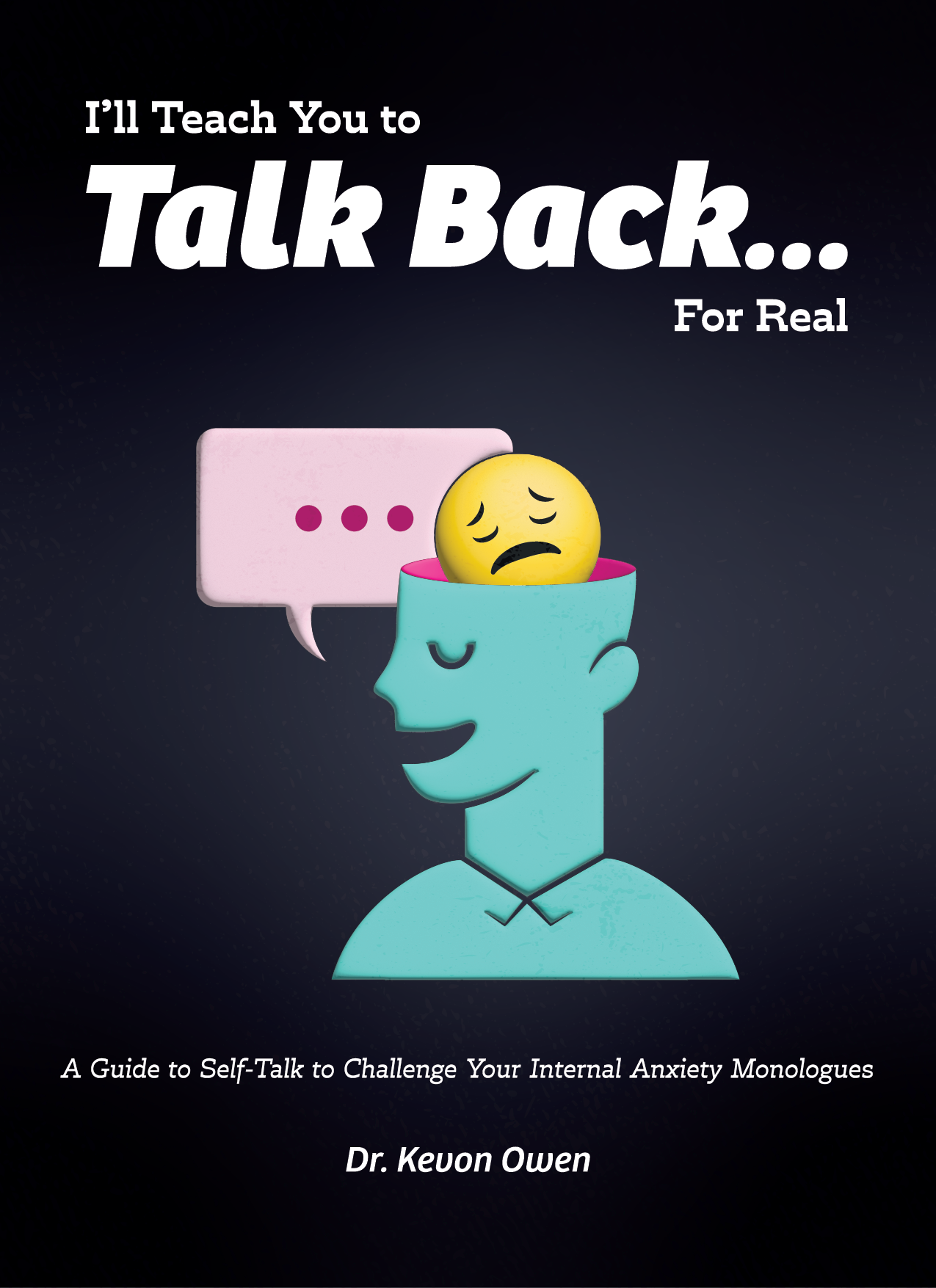
Kevon Owen is a fearured author in this article and is available at this link.
Upcoming Books

Recent Post

Breathing Tools for Stress: Quick Techniques You Can Use Anywhere

Stress can rise fast during a tense meeting, a hard conversation, a traffic jam, a school pickup, or a restless night. Breathing tools offer a simple way to slow the body’s alarm response and create a small pocket of calm. They do not fix every problem, but they can...

The Journey of Healing

 Healing is rarely instant. For many people, it is a journey filled with growth, reflection, setbacks, faith, and renewed hope. In this video, the focus is on how Christian counseling can help individuals navigate anxiety, depression, stress, trauma, relationship...

Family Meetings Made Easy: A Plan for Better Home Communication

Family meetings can turn daily stress into steady, honest communication. When handled with a simple plan, these conversations help parents and children solve problems, share responsibilities, reduce conflict, and build trust at home. A regular meeting does not need to...

Living with Bipolar Disorder: Building a Steady Routine

Living with bipolar disorder often means learning how to protect stability, lower stress, and notice early signs of change before life feels unsteady. A daily routine cannot erase every symptom, but it can support treatment, reduce chaos, and make each day feel more...

Affirmations That Feel Real: Reframing Negative Patterns

 Affirmations can be helpful, but only when they feel believable. A statement that feels forced is often rejected by the very inner voice it is meant to calm. When someone is stuck in a cycle of shame, fear, self-criticism, or hopeless thinking, repeating a phrase...

PTSD Symptoms People Often Miss

Post-traumatic stress disorder is often reduced to flashbacks and nightmares, but many overlooked symptoms show up in quieter ways. Trouble sleeping, irritability, emotional numbness, shame, avoidance, body tension, concentration problems, and a constant sense of...

A Simple Gratitude Practice That Actually Sticks

Gratitude is often framed as a quick fix, yet many people give up on the habit after a few days because it feels forced, repetitive, or disconnected from real life. A simple gratitude practice that lasts is usually small, flexible, and grounded in daily experience....

Depression Signs and When It’s Time to Get Help

    Depression is one of the most common mental health conditions in the United States, yet it remains one of the most misunderstood. Millions of people live with depression for months or even years before recognizing it for what it is — or before reaching...

Time Management That Protects Your Work-Life Balance

 Better time management is not about squeezing more work into the day. It is about protecting energy, relationships, sleep, and mental health while still meeting real responsibilities. This guide explains practical scheduling, boundary-setting, and stress-management...