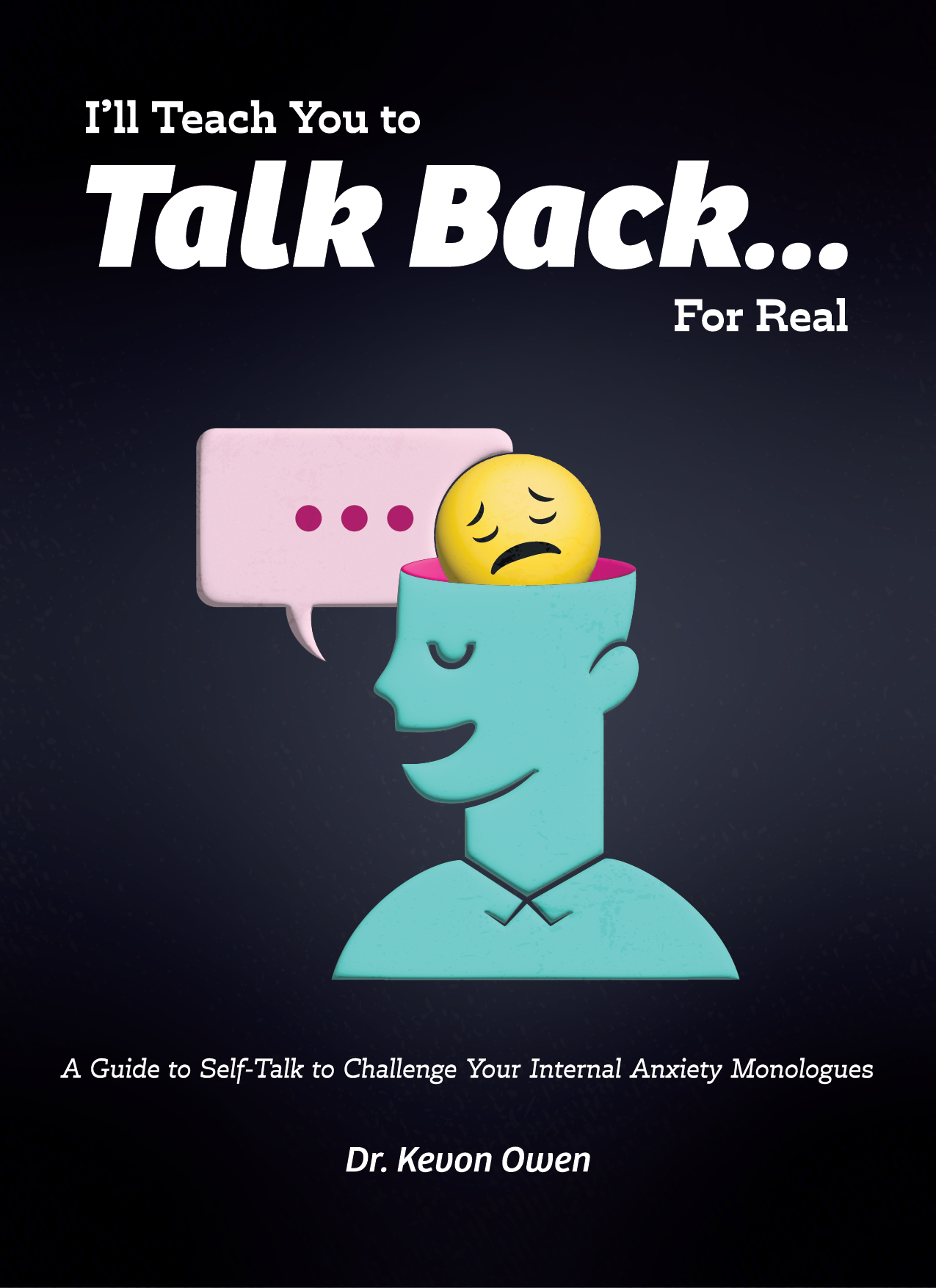

Winter months can be incredibly challenging for those struggling with depression and anxiety. Shorter days, colder weather, and reduced social activities often contribute to Seasonal Affective Disorder (SAD) and exacerbate existing mental health conditions. This article explores how the winter season impacts mental well-being and offers practical, evidence-based strategies to maintain emotional balance, build resilience, and thrive through the season.
Introduction: The Weight of Winter
As temperatures drop and daylight wanes, many people feel a distinct shift in their mental and emotional states. Winter’s long days can sometimes feel isolating and heavy, particularly for those prone to depression and anxiety. Known as the “winter blues,” “his phenomenon may range from mild sadness to full-blown Seasonal Affective Disorder (SAD). Even for those without SAD, the seasonal challenges of loneliness, stress, and reduced physical activity can worsen mental health conditions.
The good news? Winter doesn’t have to be a season of struggle. With proactive strategies and a focus on mental well-being, you can successfully navigate these challenges and even find joy in the colder months.
How Winter Impacts Mental Health
The connection between winter and mental health is both psychological and physiological. Several factors contribute to increased depression and anxiety during winter:
1. Reduced Exposure to Natural Light
Decreased sunlight during winter disrupts the body’s internal clock, affecting serotonin levels and contributing to feelings of sadness or fatigue.
2. Limited Outdoor Activities
Cold weather often discourages physical activity, a natural stress reliever and mood booster.
3. Social Isolation
The season’s shorter days and inclement weather can make connecting with friends and family harder, leading to loneliness.
4. Holiday Stress
For many, winter coincides with the holiday season—a time of heightened financial pressure, unresolved family tensions, and unrealistic expectations.
5. Biological Predispositions
Individuals with pre-existing conditions such as major depressive disorder, generalized anxiety disorder, or bipolar disorder may experience worsening symptoms during winter.
Recognizing Seasonal Affective Disorder (SAD)
SAD is more than just feeling “down.”It’s a clinically recognized form of depression that typically occurs during fall and winter. Symptoms include:
-
Persistent low energy.
-
Loss of interest in activities once enjoyed.
-
Difficulty concentrating.
-
Oversleeping and increased appetite, especially for carbohydrates.
-
Feelings of hopelessness or worthlessness.
If these symptoms persist for more than two weeks and interfere with daily functioning, it is essential to seek professional help.
Practical Strategies to Combat Winter-Related Depression and Anxiety
1. Maximize Natural Light
-
Morning Sunlight Exposure: Spend at least 20 minutes outside early to reset your circadian rhythm. If stepping outdoors isn’t feasible, sit by a sunny window.
-
Light Therapy: A light therapy box can mimic natural sunlight, improving mood and energy levels. Ensure you use one that emits 10,000 lux and is UV-free.
2. Stay Physically Active
Exercise is a powerful antidote to depression and anxiety. During winter, consider these activities:
-
Indoor workouts like yoga, pilates, or strength training.
-
Winter sports, such as ice skating or skiing, combine physical activity with exposure to fresh air.
-
Regular walks outdoors, even on cold days, improve circulation and mood.
3. Prioritize Nutrition
-
Mood-Boosting Foods: Incorporate omega-3 fatty acids (found in salmon and walnuts), vitamin D, and complex carbohydrates.
-
Limit Sugar and Alcohol: Both can worsen mood swings and increase fatigue.
4. Practice Mindfulness and Relaxation Techniques
Mindfulness practices such as meditation, deep breathing, and progressive muscle relaxation can reduce anxiety and ground you during stressful moments. Apps like Calm or Headspace can guide beginners.
5. Maintain Social Connections
Isolation exacerbates depression and anxiety. To stay connected during winter:
-
Schedule regular calls or video chats with loved ones.
-
Participate in community events or support groups.
-
Consider volunteering, which fosters a sense of purpose and combats loneliness.
6. Stick to a Routine
A consistent daily schedule helps regulate sleep and improve mental clarity. Focus on maintaining a regular wake-up time, balanced meals, and planned physical activity.
7. Seek Professional Help
Therapists and counselors provide valuable tools for managing seasonal depression and anxiety. Therapy approaches like Cognitive Behavioral Therapy (CBT) have proven effective for SAD.
The Role of Self-Compassion in Winter Survival
Winter can feel like an emotional and physical endurance test. During challenging moments, practicing self-compassion is crucial:
-
Allow yourself to rest without guilt.
-
Set realistic expectations for productivity.
-
Speak kindly to yourself, recognizing that seasonal struggles are everyday and temporary.
Did You Know? Fast Facts About SAD and Winter Mental Health
-
Prevalence: SAD affects about 5% of adults in the U.S., with symptoms lasting 40% of the year.
-
Gender Difference: Women are four times more likely to experience SAD than men.
-
Geographical Influence: People living in northern climates are more prone to SAD due to limited sunlight.
The Importance of a Strong Support System
Fighting winter-related depression and anxiety isn’t a solitary journey. Building a supportive network can make a significant difference:
-
Lean on family and friends who understand your challenges.
-
Join online or local support groups to share experiences and gain encouragement.
-
Work with a counselor who specializes in seasonal mood disorders.
Frequently Asked Questions About Winter Depression and Anxiety
1. How do I know if I have Seasonal Affective Disorder (SAD)?
A mental health professional can diagnose SAD based on your symptoms and their seasonal pattern. For an accurate assessment, keep track of your mood and energy levels over several months.
2. Can vitamin D supplements help with winter depression?
Vitamin D supplements may help counteract the effects of reduced sunlight exposure. Consult your doctor to determine the appropriate dosage.
3. What is the best therapy for seasonal depression?
Cognitive Behavioral Therapy (CBT) is highly effective for SAD. Light therapy and medication may also be recommended as part of a comprehensive treatment plan.
4. Are there any risks associated with light therapy?
While generally safe, some individuals may experience headaches, eye strain, or agitation. It is important to follow the manufacturer’s guidelines and consult a professional if symptoms arise.
5. Can winter depression improve on its own?
Symptoms may subside with the return of longer days in spring, but untreated SAD can lead to more severe depression. Early intervention is crucial.
Additional Resources
-
American Psychological Association: Seasonal Affective Disorder
-
National Institute of Mental Health: Depression Basics
-
Mayo Clinic: Seasonal Affective Disorder Treatment
Expand Your Knowledge
-
HelpGuide: Managing Depression During Winter
-
Mental Health America: Anxiety Coping Tips
-
Psychology Today: SAD Diagnosis and Treatment
For counseling services, visit www.kevonowen.com or call now. 405-740-1249 or 405-655-5180.