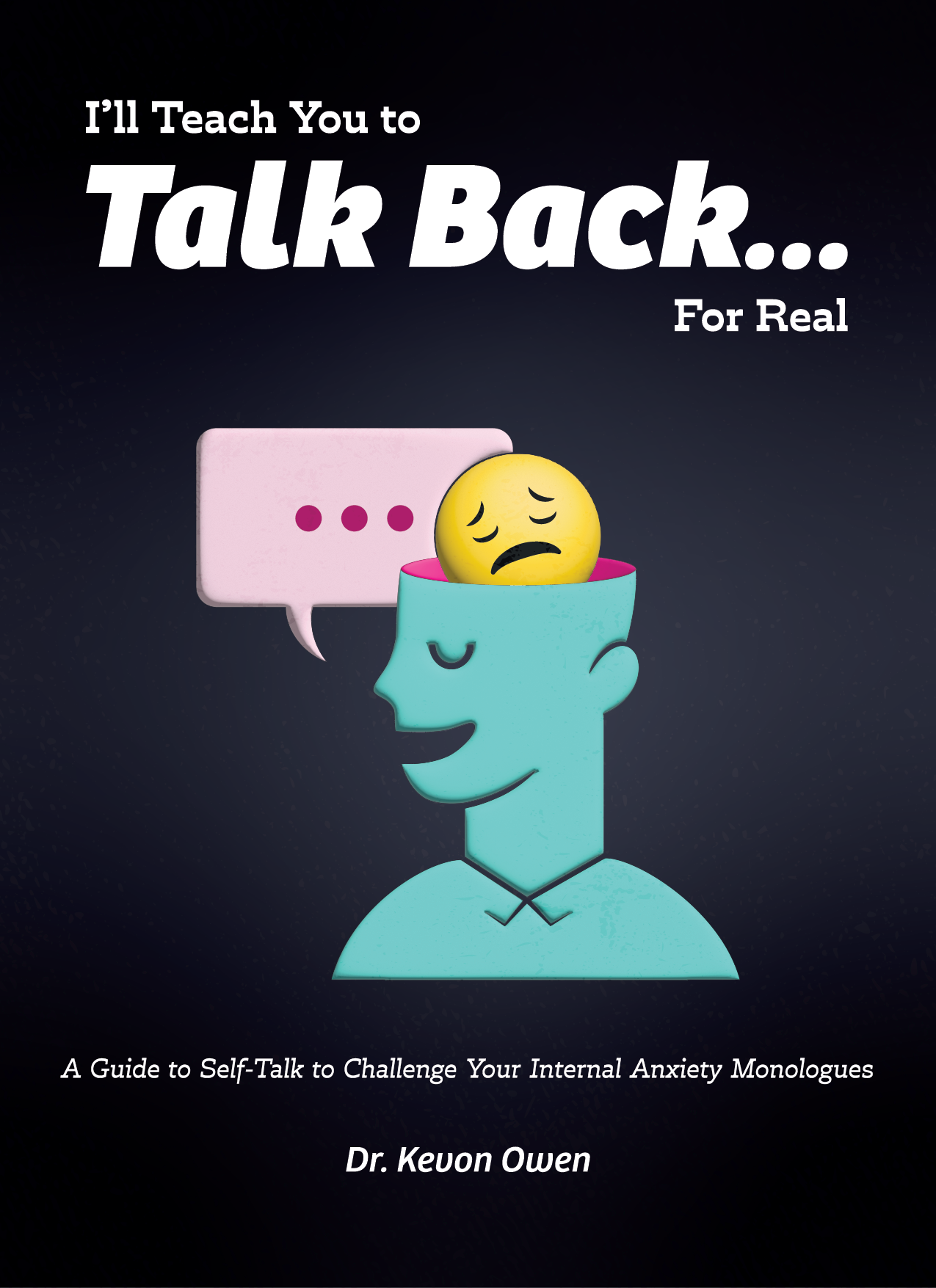
Overwhelm can leave the body feeling tense, scattered, and unsafe, even in ordinary moments. Tiny breaks can help calm the stress response, steady breathing, and create enough space to think clearly again. This guide explains how short, simple resets support the nervous system, when they are most helpful, and how counseling can help when stress becomes constant.
Feeling overwhelmed is not always a sign of weakness, poor planning, or lack of discipline. In many cases, it is the nervous system doing its job too well. When stress builds for too long, the body can shift into survival mode. Thoughts speed up. Muscles tighten. Breathing gets shallow. Small problems start to feel huge. Even basic tasks can seem impossible.
That is why tiny breaks matter. A reset does not need to be a weekend away, a silent retreat, or an hour of meditation. Sometimes the most helpful change is a two-minute pause that gives the body a cue of safety. Slow breathing, stepping outside, unclenching the jaw, stretching the hands, or placing both feet firmly on the floor can gently move the body out of alarm and back toward regulation.
For many people in Oklahoma City, daily life moves fast. Work demands, caregiving, church commitments, traffic, family stress, and financial strain can stack up quickly. When pressure builds for days or weeks, small resets become more than a wellness tip. They become a practical way to protect emotional health before stress grows into panic, shutdown, irritability, or exhaustion.
Why does overwhelm hit the body first?
The nervous system is always scanning for cues of safety or danger. When the brain senses pressure, uncertainty, conflict, or overload, the body may respond with a faster heart rate, tighter muscles, upset stomach, racing thoughts, or emotional numbness. This stress response can be useful during real danger. It becomes draining when it stays switched on during emails, deadlines, arguments, or too many responsibilities at once.
Many people try to think their way out of overwhelm. Logic helps, but the body often needs support first. A calm nervous system makes clearer thinking possible. That is why tiny breaks work. They interrupt the loop. They send a message that the body can slow down, even if the problem is not fully solved yet.
What a nervous system reset really means
A reset is not about forcing calm or pretending everything is fine. It is a short practice that reduces intensity enough to help the body recover. The goal is not perfection. The goal is a little more steadiness, a little more oxygen, and a little less pressure in the moment.
That reset might look very ordinary. It may be a glass of water before the next meeting. It may be standing in sunlight for one minute. It may be one slow exhale that lasts longer than the inhale. These moments seem small, but repetition matters. Tiny, practiced actions can often help retrain the body to come down from stress more efficiently.
Small practices that help the body settle
1. The longer-exhale pause
One of the fastest ways to support a stressed body is to slow the breath without forcing it. Try inhaling gently through the nose for four counts, then exhaling for six counts. Repeat for one to two minutes. A longer exhale can help the body shift toward a calmer state. This is useful before a difficult conversation, after reading upsetting news, or during the transition from work to home.
2. A grounded five-senses reset
When thoughts feel chaotic, use the environment as an anchor. Notice one thing that can be seen, one thing that can be heard, one thing that can be touched, one thing that can be smelled, and one thing that can be felt inside the body, such as the chair under the legs or the feet on the floor. This kind of grounding pulls attention out of spiraling thoughts and back into the present moment.
3. Muscle release in hidden stress zones
Stress often hides in the jaw, shoulders, hands, forehead, and stomach. Relaxing those areas can lower tension faster than many people expect. Unclench the teeth. Drop the shoulders. Open and close the hands. Soften the brow. Take one slower breath after each release. This can be done at a desk, in a parked car, or while standing in the kitchen.
4. A ninety-second movement break
The body is not designed to hold stress while staying still all day. A short walk down the hallway, light stretching, or even marching in place can help discharge some of that built-up activation. This is especially helpful after conflict, long periods at a screen, or moments when the body feels keyed up and restless.
5. Temperature and texture cues
Cool water on the hands, holding a cold glass, stepping into fresh air, or wrapping up in a soft blanket can all offer physical cues that interrupt stress. These sensory shifts do not solve the underlying issue, but they can reduce intensity and make the next good choice easier.
Did You Know? Small resets can prevent bigger crashes
Many people wait until they are already flooded, irritable, tearful, or shut down before taking a break. That is understandable, but nervous system care works best when it starts earlier. A tiny reset at the first sign of tension can prevent a larger emotional crash later in the day.
Early warning signs often include rushing, snapping at loved ones, forgetting simple tasks, doom-scrolling, overexplaining, shallow breathing, stomach discomfort, or the sense that there is no room to think. When those signals show up, it may be time for a two-minute intervention instead of pushing harder.
For people in counseling, this can become part of a larger healing plan. Tiny breaks are not a replacement for therapy when anxiety, trauma, depression, burnout, or relationship strain runs deep. They are one way to create more stability between sessions and reduce the wear and tear of daily stress.
When tiny breaks are not enough by themselves
Sometimes, overwhelm is not just a busy week. Sometimes it points to unresolved grief, chronic anxiety, panic, trauma, relational stress, caregiver fatigue, or a nervous system that has been stuck on high alert for a long time. In that case, short resets still help, but they may not be enough on their own.
A person may need more support when stress is causing sleep problems, frequent anger, emotional numbness, panic symptoms, avoidance, relationship conflict, or a constant sense of dread. Counseling can help identify triggers, build healthier coping patterns, and address the deeper causes beneath the overload.
Therapy can also help people stop misreading their stress response as personal failure. Many clients carry shame about being overwhelmed. They tell themselves they should be stronger, calmer, or more productive. A better approach is to understand what the body is signaling, respond with skill, and create practical patterns that support long-term regulation.
How counseling supports nervous system recovery
Counseling can provide structure, language, and tools for moments that feel too big to manage alone. That may include identifying stress triggers, improving boundaries, processing painful experiences, strengthening communication, and learning to respond earlier as the body begins to escalate. For some clients, Christian counseling also offers a place to connect emotional healing with faith, prayer, and a deeper sense of purpose.
In Oklahoma City, many people are balancing family pressure, work stress, marriage strain, and private emotional burdens all at once. A counseling relationship can create a steady space to sort through those layers and build healthier responses that fit real daily life.
Building a realistic reset routine
The best nervous system tools are the ones that can actually be used on hard days. That means simple, repeatable, low-pressure habits. A good reset routine does not need to be impressive. It needs to be doable.
Some people keep a reset attached to existing parts of the day. One slow breathing cycle before opening the email. A stretch after each meeting. A short walk before going back into the house. A prayer and shoulder release before bed. These small patterns teach the body that rest is allowed in the middle of real life, not only after complete burnout.
Consistency matters more than intensity. A two-minute practice done every day often helps more than a long routine that never happens. Over time, these pauses can improve emotional awareness, reduce reactivity, and make it easier to recover after stress.
Common Questions Around Tiny Breaks and Nervous System Reset
Do tiny breaks really help with anxiety?
They can. Tiny breaks may not remove the source of anxiety, but they often lower physical intensity enough to make the next moment more manageable. They are especially helpful for early signs of stress, racing thoughts, body tension, and emotional overload.
How long should a reset break be?
Even one to three minutes can help. The key is not the length alone. The key is whether the break gives the body a cue of safety, grounding, movement, or slower breathing.
What if slowing down makes emotions feel stronger?
That can happen. When a person has been pushing hard for a long time, stillness may bring buried feelings closer to the surface. In those cases, grounding through movement, sensory cues, or guided counseling support may be more effective than silent stillness.
Can children and teens use these tools too?
Yes. Many nervous system resets can be adapted for younger people. Stretching, paced breathing, stepping outside, drinking water, and naming what the body feels can all be helpful with age-appropriate guidance.
When should someone seek professional help for overwhelm?
It may be time to reach out when overwhelm becomes frequent, starts affecting work or relationships, disrupts sleep, leads to panic or shutdown, or feels impossible to manage alone. Support is especially important when stress is tied to trauma, depression, persistent anxiety, or major life transitions.
Take the next step toward calm.
Overwhelm does not have to run the day. Small resets can help the body slow down, clear some mental fog, and make space for steadier choices. When stress keeps returning, counseling can help uncover deeper patterns and build lasting tools.
Kevon Owen, Christian Counseling Clinical Psychotherapist 10101 S Pennsylvania Ave C, Oklahoma City, OK 73159. 405-740-1249 and 405-655-5180. https://www.kevonowen.com
Related Terms
- nervous system regulation
- stress management
- grounding techniques
- anxiety coping skills
- emotional overwhelm
Overwhelmed, nervous system reset, tiny breaks, stress relief, anxiety help, grounding exercises, breathing techniques, emotional regulation, counseling in Oklahoma City, Christian counseling OKC
When overwhelmed, take tiny breaks for stress, reset your nervous system, use quick calming techniques, how to calm anxiety fast, body-based coping skills, nervous system regulation tools, Christian counseling in Oklahoma City, psychotherapy in OKC, and overwhelm help near me.
Authority links: National Institute of Mental Health – I’m So Stressed Out! Fact Sheet | National Institute of Mental Health – Caring for Your Mental Health | CDC – Managing Stress
Expand your knowledge: NCCIH – Stress | Cleveland Clinic – Vagus Nerve | Cleveland Clinic – Ways to Reset Your Vagus Nerve