How to Cope at Work After Losing Someone You Love
Grief is a heavy burden to bear — a burden that lasts much longer than the typical bereavement leave offered by employers. Grieving a loved one can take a toll in all areas of your life, but particularly at work. When surveyed, 75 percent of employees who were grieving reported that their performance at work was affected significantly past their allowed leave.
Returning to work after a loss is inevitable, but there are ways to make the transition and the long days following more manageable.
Returning to Work
Some may find work to be a nice distraction or a comforting return to normalcy after loss, but there still may be loss-related hurdles to overcome, and how you handle them is a deeply personal decision. Carole Radziwill, author of What Remains: A Memoir of Fate, Friendship, and Love shared a thoughtful reflection with me on how her career as a journalist was affected by the loss of her husband, “Grief is a very personal journey and everyone handles it differently. For me, I thought going back to work right away would help me focus on something other than the death of my husband and the life we shared. It wasn’t that simple though. I went back to work and then I ended up leaving six months later.”
With the passing of time, Radziwill now sees the changes she made in her life and career as a necessary part of recovering from loss. “I sold my home. Moved into a rental. I basically did all the things they say not to do after a big life change. Looking back on it 20 years later, I see that I had to blow up my life. I couldn’t just simply keep going down the path I had started with my husband. It was difficult and scary but it also opened up an entire new life for me,” she said.
Talk About It
There will come a time when you need to discuss a loss or impending loss with colleagues. This won’t be easy, but you can’t get the support you need without asking for it. Adina Mahalli is a MSW and certified mental health expert who specializes in trauma therapy. She recommends being upfront about your loss with your boss, “Of course, you should always think twice before talking about your personal business at work. But when it comes to major life events — especially if they have the potential to negatively affect your work performance — you should definitely confide in your boss what’s going on.”
Mahalli recommends that you let your boss know what you’re currently dealing with so you can talk about ways they can help you manage your work during this difficult time. “If you are friends with any of your colleagues, you can open up to them as well. This will make them more understanding if you are a little slower with deadlines, and it’s also a good idea for you to have someone looking out for you during the day in case things get too tough,” Mahalli advised.
Coping Mechanisms
It is difficult to predict how grief will affect us, and the pain of loss can ebb and flow. Finding coping mechanisms that help you get through difficult moments at work will make this time more manageable. Kevon Owen, a Clinical Psychotherapist recommends focusing staying present throughout the work day as a coping mechanism. “Look for the coping that can be had in the accomplishment and success that can be small victories to be had. Set up points in the day that you can look forward to and collect those highlights.”
Consider journaling about the positive aspects of your day and what you have to look forward to the next day. Share your highlights with a loved one. While these highlights won’t erase your pain, acknowledging them can give your day a positive structure.
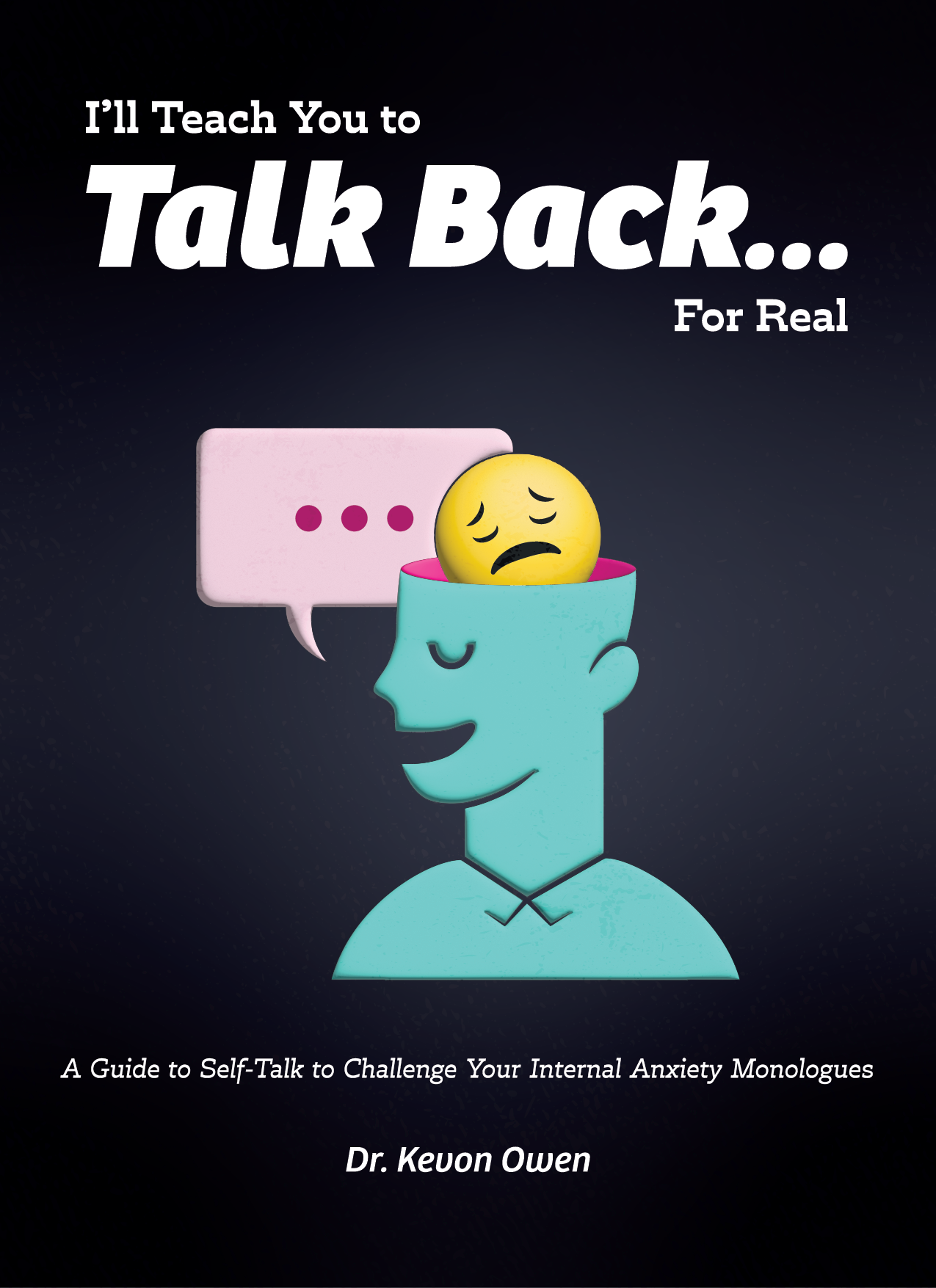
Kevon Owen is a featured contributor in this article. To read the complete article please follow this link. To make an appointment with Kevon please call 405-740-1249 or you can visit his website at this web address.