
How to Navigate Your Teen’s First Real Relationship

Mar 30, 2019 | Clinical Psychotherpy

teenage relationship counseling edmond ok

Smiling happy teenage girl sitting in front of her parents


Does anyone ever forget their first real relationship? The butterflies. Thinking about that person 24/7. Obsessing over their every move and phrase. Daydreaming about spending next weekend, the entire summer vacation, the rest of your life with them. And then the unbearable heartache when it all came to an end. And if you thought navigating your first real relationship was tough, it’s possibly even harder for your teen. As well as all the same feelings and insecurities and desires and can’t-stop-thinking-about-them stretches of time between dates, your teen is facing the numerous added complications that are intrinsically linked to a relationship in the digital age. And as a parent, you probably (maybe) only just got the hang of their never-ending succession of distant crushes; what can you possibly do to help your teen through their first realrelationship?

You may not be able to do anything about those teenage social media spats, but what you can do is make yourself available as a trustworthy confidante — without being too intrusive or cringe-inducing, of course. It’s a fine line, but if you get it right, you can stay connected with your teen even though you’re no longer the main object of their affection like you were when they were a toddler.

Kevon Owen is a featured author in this article which is available at this link. https://www.sheknows.com/parenting/articles/2012197/teens-first-real-relationship/
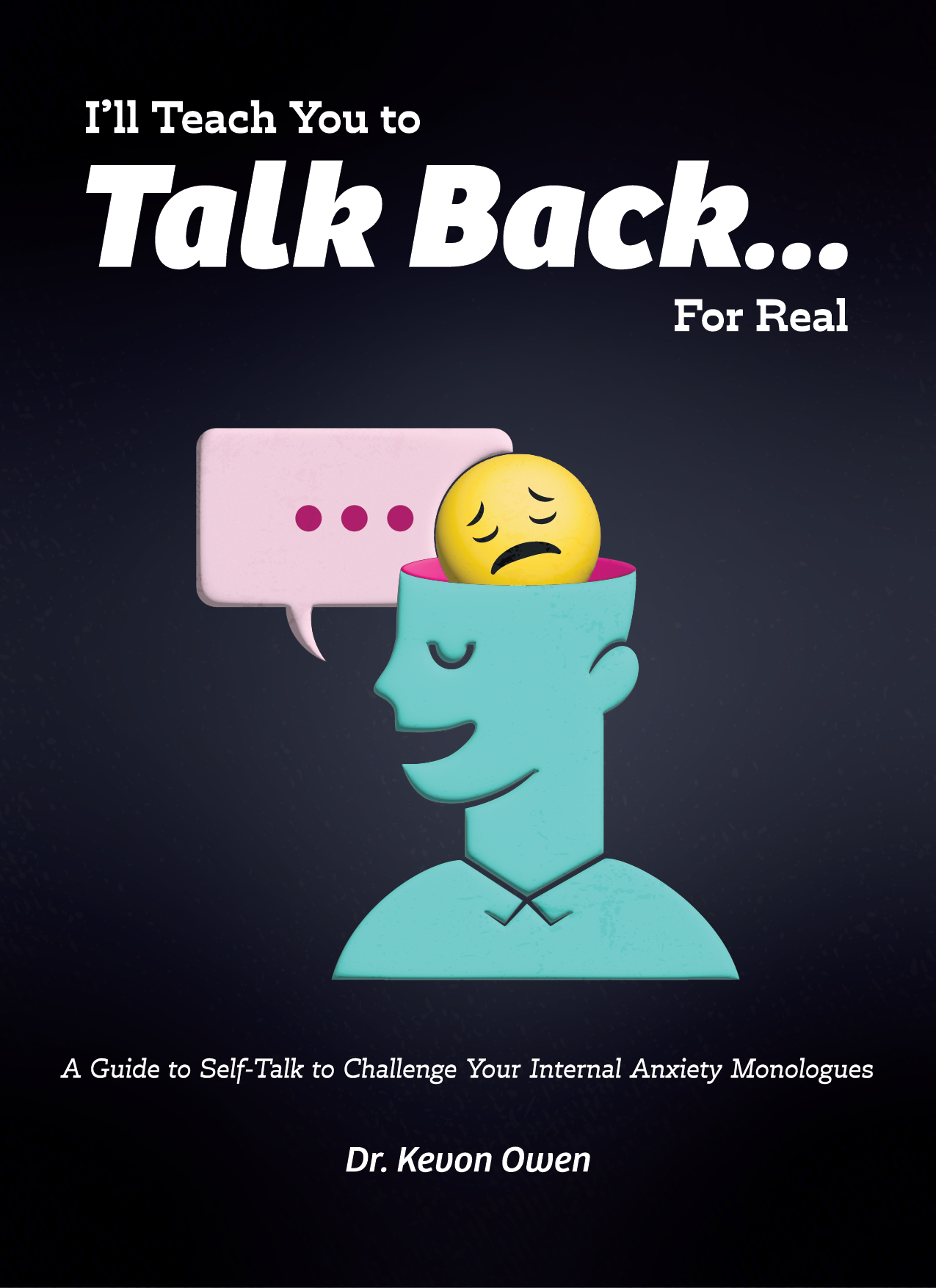
Upcoming Books

Recent Post

Parent-Child Therapy: What It Is and Who It Helps

Parent child therapy, specifically Parent-Child Interaction Therapy (PCIT), is a structured, evidence-based behavioral treatment designed for children roughly ages 2 to 7 who show significant defiance, aggression, tantrums, or emotional dysregulation. It works by...

Step-by-Step CBT Techniques to Overcome Negative Thinking

The step-by-step cognitive behavioral therapy process for a negative mindset moves from catching an automatic thought to naming the distortion driving it, examining the evidence, writing a balanced alternative, and testing that alternative through a small behavioral...

Cognitive Restructuring Therapy: What It Is and How It Works

Cognitive restructuring therapy is a structured clinical intervention, most commonly delivered within Cognitive Behavioral Therapy (CBT), in which a person identifies, examines, and replaces inaccurate or unhelpful thoughts that drive emotional distress. Cognitive...

Panic Attacks: Grounding Skills That Help in the Moment

Panic Attacks: Grounding Skills That Help in the Moment November 2, 2026 | Anxiety Counseling | Oklahoma City, Oklahoma Introduction: Finding Stability When Panic Strikes A panic attack can turn an ordinary moment into an overwhelming experience. A racing heartbeat,...

Rewire negative thoughts: 7 CBT techniques that work

Learning to rewire negative thoughts is one of the most evidence-supported goals in modern mental health care. The brain can form and strengthen new neural pathways, a capacity called neuroplasticity, and that capacity persists across the lifespan, though the pace and...

CBT Thought Restructuring: How to Reframe Your Thinking

CBT thought restructuring is a structured process in Cognitive Behavioral Therapy (CBT) in which you identify an automatic negative thought, test it against actual evidence, and replace it with a more accurate, balanced interpretation. The goal is not positive...

Faith-Based or Secular Therapy? A Clear Guide to Choosing

Choosing between faith-based and secular mental health care does not have to feel like picking a side. The right provider delivers both clinical rigor and respect for your convictions. The tension many people feel when weighing these options typically comes from a...

Boundaries for Beginners: How to Say No Without Guilt

 Boundaries for Beginners: How to Say No Without Guilt Published October 29, 2026 | Mental Health & Wellness | Christian Counseling Oklahoma City Why Saying No Can Feel So Difficult Saying no should be simple. Yet for many people, turning down a request can...

Christian Counseling Benefits That Go Beyond Secular Therapy

The benefits of Christian counseling over secular approaches are real, documented, and meaningful, particularly for clients whose faith is central to their identity. Peer-reviewed research generally finds that religiously adapted psychotherapy performs about as well...

Religious psychotherapy explained: faith meets clinical care

Religious psychotherapy is a clinically structured form of care that treats a client's faith, spiritual beliefs, and religious worldview as genuine therapeutic assets, not variables to neutralize or bracket out of treatment. It is not pastoral counseling, and it is...