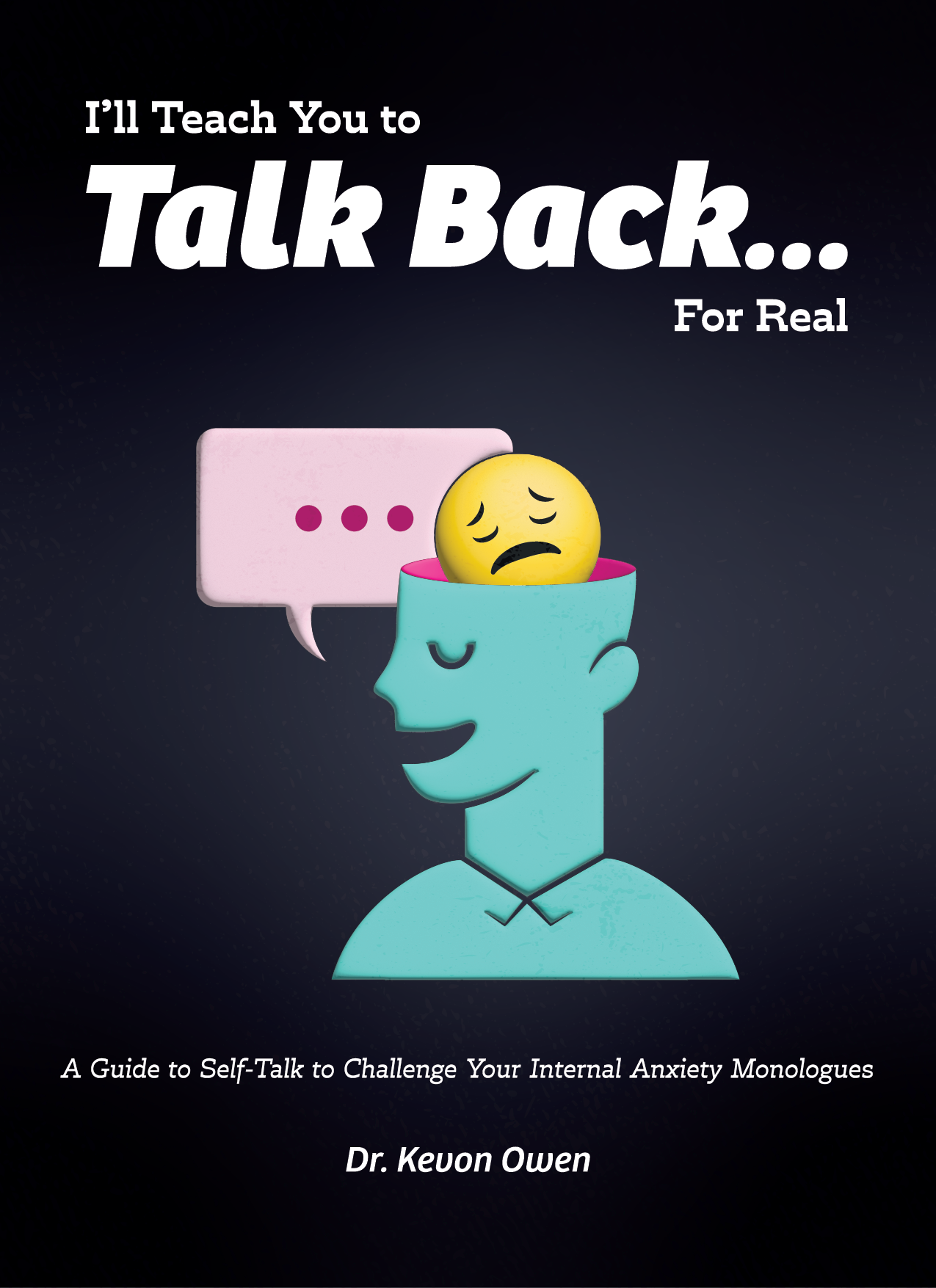

Anxiety About Going Out In Public
Outline:
1. Introduction
2. The prevalence of Social Anxiety Disorder (SAD) and its impact on daily life
3. Understanding Social Anxiety Disorder
4. Definition, symptoms, and causes.
5. The Personal and Social Impact of Social Anxiety
6. Effects on professional life, personal relationships, and digital interactions.
7. Illustrative Anecdote: Alex’s Story
8. A personal account of navigating social anxiety in the professional realm
9. Expanding Treatment Options and Coping Mechanisms
10. Overview of Cognitive-Behavioral Therapy, medication, and lifestyle adjustments
11. The Critical Role of Early Intervention and Societal Support
12. Importance of awareness, education, and creating supportive environments
13. Broadening the Scope: Additional Therapies and Strategies
14. Exploring alternative therapies and innovative strategies for managing social anxiety
15. The Power of Community and Connection
16. The role of support groups and social networks in overcoming social anxiety
17. Conclusion
Introduction
Social Anxiety Disorder (SAD), a condition marked by intense fear of social interactions and public scrutiny, significantly affects numerous individuals worldwide. This exploration aims to shed light on the complexities of SAD, offering insight into its pervasive impact and the collective journey toward understanding and empowerment.
Understanding Social Anxiety Disorder
SAD transcends mere shyness, manifesting as a debilitating fear that inhibits one’s ability to participate in even the most mundane social activities. The disorder is characterized by physical symptoms such as trembling and psychological distress, including persistent worry about negative evaluation or rejection. Its diverse roots encompass genetic, environmental, and psychological dimensions, making its treatment equally multifaceted.
The Personal and Social Impact of Social Anxiety
Social anxiety casts a long shadow, affecting every aspect of an individual’s life. Professionally, it can halt career advancement, while personally, it may lead to isolation and loneliness. The digital age has introduced new challenges, with social media often exacerbating feelings of inadequacy and alienation.
Illustrative Anecdote: Alex’s Story
Consider Alex, whose career was hampered by a fear of public speaking. Despite ample talent, Alex’s avoidance of speaking engagements hindered professional growth, highlighting the profound effects of SAD on personal and professional development.
Expanding Treatment Options and Coping Mechanisms
Treatment for SAD typically involves Cognitive-Behavioral Therapy (CBT), which addresses harmful thought patterns and behaviors and may be supplemented with medication to alleviate symptoms. Lifestyle changes, such as exercise and mindfulness practices, offer additional support, underscoring the importance of a holistic approach to treatment.
The Critical Role of Early Intervention and Societal Support
Early detection and intervention are crucial in managing SAD, emphasizing the need for increased awareness and education. Schools and workplaces play a vital role in identifying and supporting individuals with social anxiety and fostering environments where mental health is prioritized.
Broadening the Scope: Additional Therapies and Strategies
Exploring alternative therapies, such as Acceptance and Commitment Therapy (ACT) and group therapy, can provide new avenues for managing social anxiety. These approaches emphasize acceptance, mindfulness, and community, offering varied pathways to resilience and recovery.
The Power of Community and Connection
The role of support groups and social networks in overcoming SAD cannot be overstated. These communities offer a sense of belonging and understanding, facilitating shared experiences and coping strategies that can significantly aid recovery.
Conclusion
Social Anxiety Disorder presents significant challenges, yet it also opens the door to profound opportunities for growth and connection. By fostering greater awareness, support, and compassion, we can empower those affected by SAD to lead more fulfilling lives. As we move forward, let us commit to creating a more inclusive and supportive society where the journey toward mental health and well-being is a shared endeavor.
To speak with a counselor, visit https://www.kevonowen.com or call 405-740-1249 and 405-655-5180.