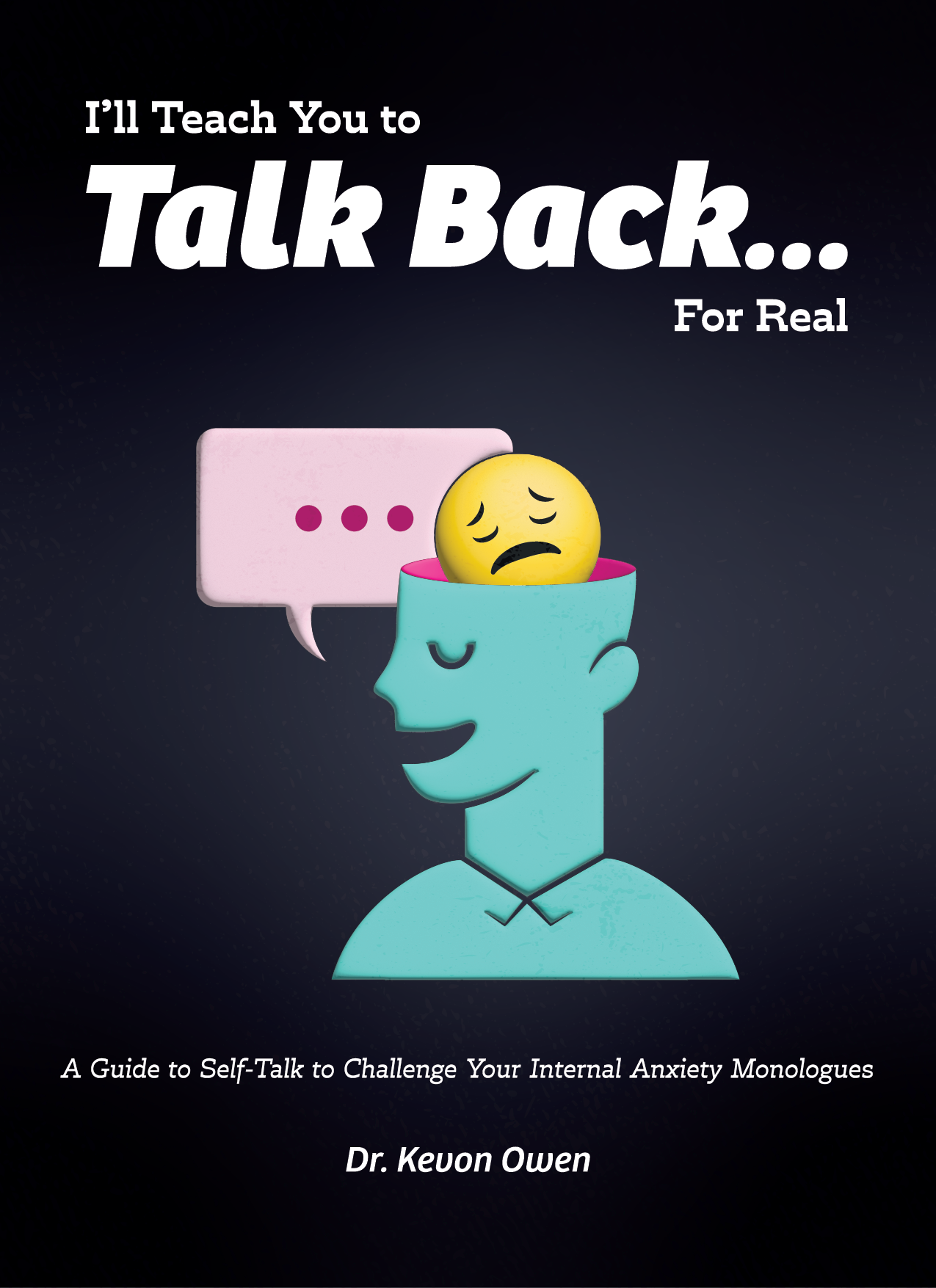
Emotional intelligence (EI), a crucial component of personal and professional success, is the ability to understand and manage emotions—your own and others. Individuals can enhance self-awareness, improve relationships, and build greater resilience by developing emotional intelligence. This article delves into the importance of EI, its core components, and actionable steps for its development. From practical strategies like mindfulness and empathy tips for enhancing emotional regulation, this guide provides a comprehensive roadmap to boost emotional intelligence.
Emotional intelligence (EI) is increasingly recognized as one of the most vital skills for success, not just in the workplace but all areas of life. It encompasses being aware of, controlling, and expressing one’s opinions and handling interpersonal relationships with empathy and sound judgment. Unlike cognitive intelligence (IQ), which is relatively static, emotional intelligence can be nurtured and developed over time. Whether seeking personal growth or professional success, investing in developing your emotional intelligence can significantly improve your overall well-being.
What is Emotional Intelligence?
Emotional intelligence is the capacity to identify, understand, manage, and influence emotions in yourself and others. Psychologists Peter Salovey and John D. Mayer coined the term in the early 1990s. Still, it gained mainstream popularity when Daniel Goleman published his book, Emotional Intelligence: Why It Can Matter More Than IQ, in 1995. Goleman expanded on the idea that emotional intelligence could be even more important than intellectual intelligence for achieving success, happiness, and social connection.
The core elements of emotional intelligence are broken down into five key components:
- Self-awareness – The ability to recognize your emotions and understand how they affect your thoughts and behavior.
- Self-regulation – The ability to manage your emotions healthily, avoiding impulsive reactions and negative behaviors.
- Motivation – Being driven to achieve personal goals for reasons beyond external rewards.
- Empathy – The ability to understand and share the feelings of others, making you more effective in relationships.
- Social skills – Managing relationships and navigating social environments quickly, communicating clearly, and resolving conflicts amicably.
Why Emotional Intelligence Matters
Emotional intelligence impacts every aspect of our lives. It determines how we manage behavior, navigate social complexities, and make personal decisions that achieve positive results. High EI has been linked to better mental health, improved job performance, and stronger relationships.
People with high emotional intelligence tend to excel in areas where others may struggle:
- Conflict resolution: Those with high EI can navigate disagreements more effectively, often leading to better outcomes.
- Stress management: High EI allows individuals to cope more effectively, leading to better mental and physical health.
- Leadership and teamwork: In professional settings, emotionally intelligent leaders and team members foster a more collaborative, harmonious work environment.
In contrast, people with lower emotional intelligence often have difficulty understanding and managing their emotions, leading to frequent miscommunications and strained relationships.
Developing Emotional Intelligence: Practical Steps
The good news is that emotional intelligence can be developed and strengthened through consistent practice. Below are actionable strategies for improving each component of EI.
1. Cultivating Self-Awareness
Self-awareness is the foundation of emotional intelligence. To be self-aware, you must recognize your emotional states and understand how they influence your thoughts and actions. One of the most effective ways to enhance self-awareness is through mindfulness practices.
- Journaling: Regularly writing down your thoughts and feelings helps you track emotional patterns and recognize triggers that affect your behavior.
- Mindfulness Meditation: Practicing mindfulness makes you more attuned to your emotional responses. Spend time each day observing your thoughts and feelings without judgment.
- Emotional Check-ins: Throughout the day, pause and ask yourself, “What am I feeling right now?” A “knowledge of your emotions, even the negative ones
-
2. Improving Self-Regulation
Self-regulation involves controlling impulsive feelings and behaviors, staying calm under pressure, and managing emotional outbursts. Here are some ways to build more vital emotional regulation skills:
- Pause Before Reacting: Practice pausing before responding in emotionally charged situations. This helps you avoid rash decisions driven by anger or frustration.
- Breathing Techniques: Deep breathing exercises activate the body’s laxation response, helping you calm down and think clearly.
- Reframing Negative Thoughts: When you catch yourself thinking negatively, try reframing the situation in a more positive or constructive light
- 3. Enhancing Motivation
While Motivation is often considered external (such as striving for promotions or rewards), emotional intelligence emphasizes internal Motivation. This involves pursuing goals with passion and perseverance, even in the face of setbacks.
- Set Meaningful Goals: Identify personally meaningful goals, not just externally rewarding ones. This ensures that your Motivation comes from within.
- Cultivate a Growth Mindset: Believe that your abilities and intelligence can be developed through effort. Embrace challenges and view failures as opportunities to learn and grow.
- Celebrate Small Wins: Break down larger goals into smaller milestones and celebrate each success to maintain momentum.
4. Building empathy allows you to understand the emotions and perspectives of others, an essential component of building strong relationships. You can cultivate empathy:
- Active Listening: Listen to others without interrupting and focus on understanding their emotions rather than just the facts they share.
- Put Yourself in OthOthers’oes: Imagine what someone else is feeling or experiencing, especially in challenging situations.
- Ask Open-Ended Questions: Encourage others to share more about their thoughts and emotions by asking open-ended questions, fostering deeper connections
- 5. Strengthening Social Skills
Good social skills are built on emotional intelligence. You can foster better relationships in all aspects of life by improving your ability to communicate, cooperate, and resolve conflicts.
- Practice Assertive Communication: Being assertive means expressing your thoughts and needs clearly and respectfully. This helps prevent misunderstandings.
- Learn Conflict Resolution: Instead of avoiding conflicts, address and resolve them constructively. Focus on finding solutions that meet everyone.
- Networking: Build relationships by genuinely interested in others, offering support, and maintaining open communication.
- Did You Know
A study conducted by TalentSmart found that emotional intelligence accounts for 58% of performance in all types of jobs, making it one of the strongest predictors of workplace success. Additionally, individuals with high emotional intelligence earn more annually than their peers with lower EI scores—up to $29,000 annually on average.
Common Questions Around Emotional Intelligence
1. Can emotional intelligence be taught? Yes! It can be developed at any age through training, self-reflection, and practice. It is not an innate ability that you are born with or without.
2. Is emotional intelligence more important than IQ? While IQ is necessary in specific contexts, emotional intelligence is often a stronger predictor of success in both personal and professional environments. Emotional intelligence helps with problem-solving, conflict resolution, and leadership—skills essential in most aspects of life.
3. How long does it take to develop emotional intelligence? Developing emotional intelligence is a gradual process. Depending on your current level of EI, you may begin to see improvements within a few weeks to months, but it can take years to master fully.
Related Terms:
- Emotional regulation
- Empathy
- Mindfulness
- Self-awareness
- Resilience
Additional Resources:
- Daniel GolGoleman’sotional Intelligence
- Psychology Today on Emotional Intelligence
- Harvard Business Review: Emotional Intelligence
Expand Your Knowledge:
- American Psychological Association on Emotional Intelligence
- Emotional Intelligence and Leadership
- Stanford Encyclopedia of Philosophy: Emotions
Developing emotional intelligence can improve your mental health, relationships, and career prospects. It’s never too late to start cultivating this essential skill set, and with patience and practice, you’ll find that life becomes more rewarding and meaningful.
For counseling services,
Kevon Owen – Christian Counseling – Clinical Psychotherapy – OKC
10101 S Pennsylvania Ave Suite C
Oklahoma City, OK 73159
https://www.kevonowen.com
405-655-5180
405-740-1249