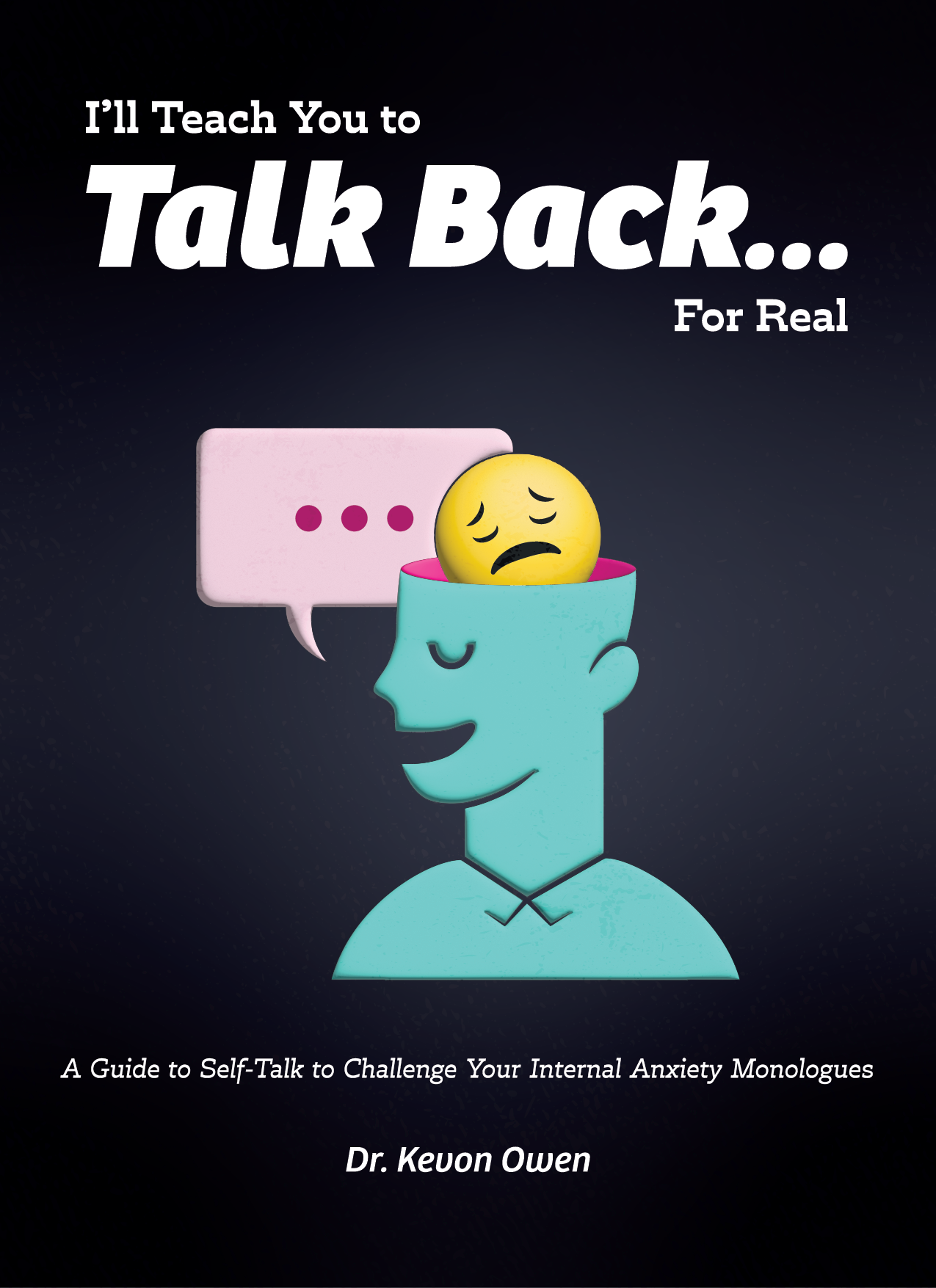

The holiday season is often depicted as a time of joy, family gatherings, and celebration. However, for many people, Christmas can bring sadness, loneliness, or nostalgia. This article explores why Christmas can feel sad, how to cope with those emotions and ways to find moments of peace and connection during the holiday season.
Understanding Holiday Sadness
Christmas is steeped in traditions, media portrayals of cheer, and expectations of togetherness. For those grappling with grief, family estrangement, financial challenges, or mental health struggles, these idealized images can amplify feelings of sadness. Recognizing these emotions is valid; daily is the first step in navigating them.
Emotional Triggers Around Christmas
-
Grief and Loss:
The absence of a loved one often feels more pronounced during the holidays. Traditions and memories tied to those who have passed can stir deep feelings of sorrow. -
Loneliness:
Not everyone has a support network to lean on during the holidays. People who are single, far from family, or isolated due to life circumstances may feel acutely alone. -
Unrealistic Expectations:
The pressure to create a “perfect” Christmas” through elaborate meals, gift-giving, or hosting events—can leave individuals feeling inadequate or overwhelmed. -
Seasonal Affective Disorder (SAD):
For some, the darker, colder months exacerbate feelings of sadness or depression, making Christmas a particularly challenging time.
Coping Strategies for a Sad Christmas
While the season can bring challenges, there are ways to navigate these emotions and create space for healing and connection.
1. Acknowledge Your Feelings
Suppressing sadness or pretending to be happy can intensify negative emotions. Instead, give yourself permission to feel and express your feelings without judgment. Journaling or talking to a trusted friend or counselor can be helpful outlets.
2. Adjust Your Expectations
Let go of the idea that Christmas must look a certain way. Focus on creating a holiday that aligns with your current circumstances and emotional needs. Simplify plans or adapt traditions to reduce stress.
3. Connect with Others
If possible, contact family, friends, or local community groups. Virtual calls or attending events like a Christmas Eve service or community dinner can foster a sense of belonging.
4. Honor Absent Loved Ones
Incorporate meaningful ways to remember loved ones who have passed. Please light a candle, prepare their favorite dish, or share stories in their memory.
5. Practice Self-Care
Take time for activities that nourish your body and mind, such as meditation, exercise, or enjoying a comforting book or movie. Prioritize rest and maintain a balanced diet to support emotional well-being.
Did You Know?
Christmas has been celebrated in diverse ways across cultures and history, with many traditions evolving. The modern emphasis on family gatherings and gift-giving emerged during the Victorian era. However, early celebrations, such as those in the Middle Ages, often focused more on community feasting and charitable acts.
Learning about alternative traditions or more straightforward celebrating can inspire new, less commercialized approaches to the holiday season.
Finding Moments of Joy
Even amidst sadness, joy or comfort can be cultivated during Christmas. Here are a few suggestions to brighten the season in meaningful, gentle ways:
-
Start a New Tradition:
Create a ritual that feels uniquely yours, whether watching a favorite movie, crafting, or volunteering. -
Embrace Nature:
If weather permits, spend time outdoors. A quiet walk or moments in the sunlight can help lift your spirits. -
Volunteer or Give Back:
Helping others can shift your focus outward and foster a sense of purpose. Local shelters, food banks, and hospitals often need extra holiday support. -
Create a Gratitude List:
Reflect on small blessings or positive moments from the past year. Writing them down can offer perspective and help you focus on the present.
Common Questions Around Sadness at Christmas
1. Is it normal to feel sad at Christmas?
Yes, it’s entirely normal. Many people experience sadness during the holidays due to various factors, including personal loss, stress, or mental health conditions.
2. How can I support someone who feels sad during the holidays?
Be a compassionate listener and avoid offering solutions unless asked. Small gestures, like inviting them to an event or sending a thoughtful note, can make a significant difference.
3. What if I don’t feel like celebrating at all?
That’s okay, but it doesn’t mean you must celebrate Christmas. Taking a break from traditions and focusing on rest or alternative activities can be just as meaningful.
Additional Tips for a Supportive Holiday
-
Seek Professional Support: If sadness feels overwhelming or persists beyond the holidays, consider seeking help from a therapist or counselor.
-
Limit Social Media: The curated, happy images on social platforms can magnify feelings of inadequacy or loneliness.
-
Simplify Gift-Giving: Opt for experiences, small gestures, or handmade gifts instead of overextending your budget.
Related Terms
-
Seasonal Affective Disorder (SAD)
-
Grief and Bereavement
-
Holiday Loneliness
-
Self-Care Practices
-
Emotional Well-Being
Additional Resources
-
National Alliance on Mental Illness (NAMI) – Support for mental health challenges
-
HelpGuide on Grief and Loss – Coping with grief during the holidays
-
Psychology Today – Articles on managing holiday stress and sadness
Expand Your Knowledge
-
The History of Christmas Traditions – Explore how Christmas has evolved.
-
Mental Health Foundation: Coping at Christmas – Tips for managing holiday emotions.
-
Mayo Clinic: Stress, Depression, and the Holidays – Expert advice for navigating holiday challenges.
Acknowledging the season’s challenges and prioritizing emotional well-being can help you find meaning and moments of peace during a sad Christmas. Remember that no matter how the holidays feel, you are not alone in your experience.
Suggested Related Articles
-
“Coping with” Loss During the Holiday Season”
-
“How to Create New Traditions After a Life Change”
-
“The Role of Self-Care in Managing Seasonal Affective Disorder”
When you can’t find thankfulness, remember that gratitude is a journey, not a destination. It’s okay to struggle. You can rediscover gratitude authentically by taking small steps—acknowledging your emotions, leaning into community, and embracing self-compassion. This Thanksgiving, allow yourself the grace to feel what you think, and know that even in the most challenging times, tiny sparks of gratitude can begin to grow.
For counseling services, visit www.kevonowen.com or call now. 405-740-1249 or 405-655-5180.