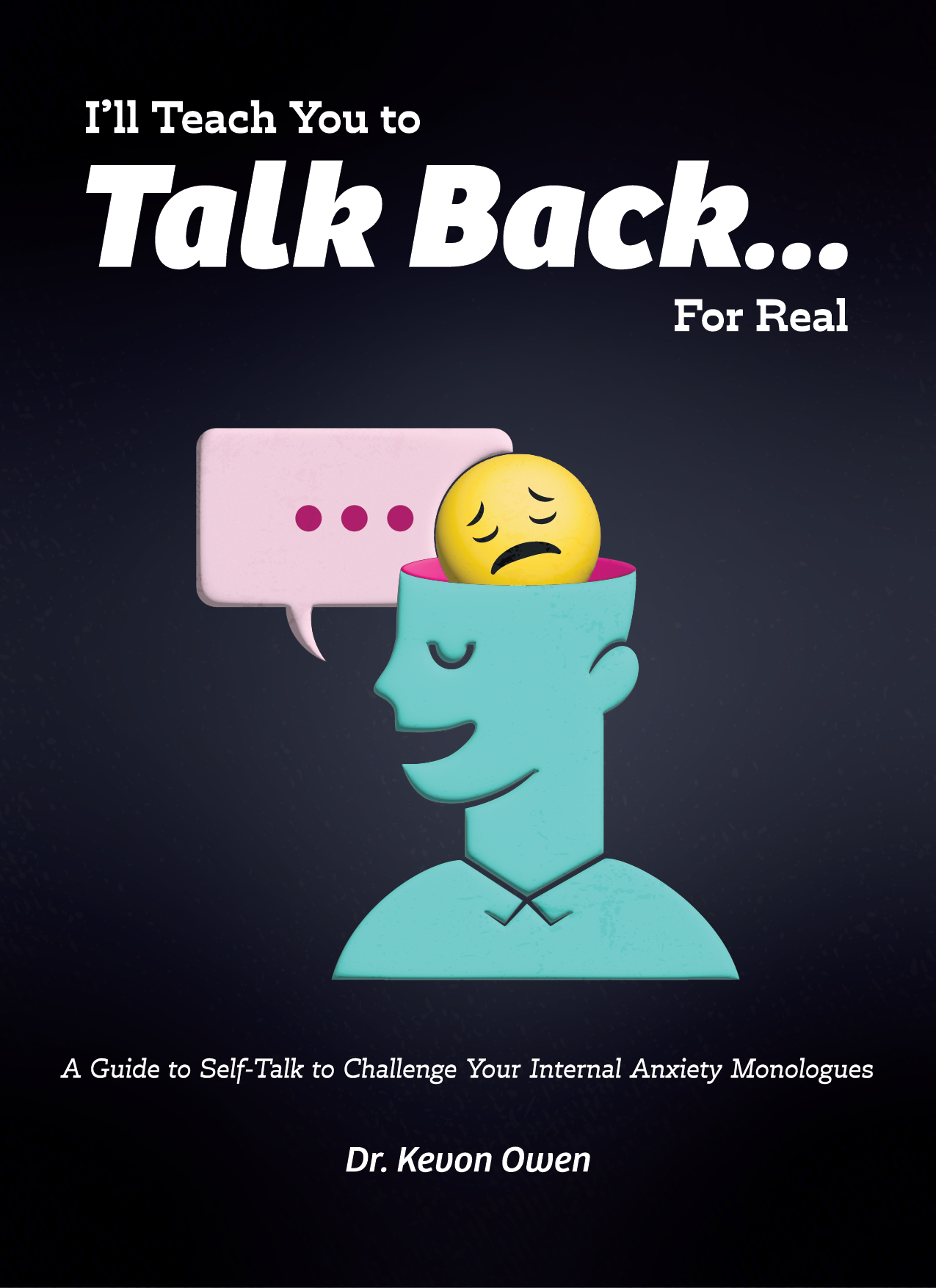
Rumination is that loop of replaying the same worry, regret, or “what if” over and over. At night, it often gets louder. Your body is tired, but your mind keeps scanning for problems to solve. That clash can delay sleep, cause light sleep, and trigger early waking. The good news is that rumination responds to practical tools and to therapy approaches built for both anxiety and insomnia.
People usually describe rumination as “thinking too much,” but it’s more specific than that. It’s sticky thinking. It circles the same topic, rarely lands on an answer, and leaves you more keyed up than before. When it shows up after lights-out, it can feel personal, like your brain is failing you. It’s not. It’s your threat system doing its job at the wrong time.
Sleep doesn’t start by force. It starts when your brain decides the coast is clear. Rumination sends the opposite signal: “Stay alert. Keep reviewing. Don’t miss something.” That’s why trying harder often backfires. The goal is to help your brain switch from problem mode to rest mode, without fighting yourself.
When rumination shows up at night
The “quiet house” effect
Daytime has distractions. Night removes them. Your phone is down, the chores are done, and the room is dim. That quiet can be calming, but it also gives your mind space to bring up unresolved stress. If you’ve been powering through all day, your brain may treat bedtime like the first “safe” moment to process.
Why it target the same themes
Rumination tends to lock onto topics with uncertainty, responsibility, or shame. Common examples include relationship strain, work pressure, faith concerns, parenting worries, and health fears. These themes feel urgent because they connect to identity and safety. Your brain keeps checking them because it wants closure.
How it feels in the body
Even when rumination is quiet, your body often reacts. You might notice a tight chest, jaw clenching, restless legs, stomach flutter, or a heat rush. That’s your nervous system revving up. When that happens, “just relax” is not useful advice. You need a step that tells your body it’s okay to power down.
How rumination steals sleep
It delays sleep onset
Rumination makes your brain do work at the exact time it should be drifting. Instead of letting thoughts pass, you grip them. You review details. You rewrite conversations. You plan speeches you’ll never give. That mental effort keeps the brain more alert, which can stretch “falling asleep” into a long, frustrating stretch.
It trains the bed to feel stressful
If rumination happens night after night in bed, your brain can start to link the bed with struggle. You climb in and your mind learns, “This is where we worry.” That pattern can become automatic. This is also why people can feel sleepy on the couch, then wide awake the moment they enter the bedroom.
It triggers micro-wakes and early waking
Rumination doesn’t only block sleep at the start. It can show up in the middle of the night too. A small wake happens, then the mind grabs a problem. One thought becomes ten. Soon you’re doing tomorrow’s to-do list at 3:00 a.m. This pattern can also fuel early waking, when your brain starts scanning the day before sunrise.
It increases sleep anxiety
After a few rough nights, it’s normal to start fearing bedtime. You might check the clock, count hours left, and bargain with yourself. That fear is understandable. It also adds pressure, and pressure disrupts sleep. Part of what helps is rebuilding trust in your ability to rest, even if your mind is noisy.
What helps: tools you can try tonight
These tools work best when they are practiced, not “perfect.” Pick one or two and repeat them for a couple of weeks. Your brain learns by repetition. If you try five things in one night, it can feel like a performance. Keep it simple.
- Set a “worry window” earlier: Spend 10 minutes in the early evening writing worries and next steps. End with one small action you can do tomorrow. This teaches your brain there’s a time for problem-solving, and bedtime isn’t it.
- Use a “parking lot” note: If a thought feels urgent, write a one-line reminder on paper. Then tell yourself, “It’s stored.” This reduces the fear of forgetting and helps you let go.
- Try cognitive defusion: Instead of “I can’t handle tomorrow,” say, “I’m having the thought that I can’t handle tomorrow.” That small shift can lower the threat signal without arguing with the thought.
- Do a downshift breath: Breathe in gently through your nose, then exhale longer than you inhale. Repeat for a few minutes. A longer exhale supports the body’s calming response and reduces arousal.
- Get out of bed if you’re stuck: If you’ve been awake a while and you feel frustrated, move to a dim, quiet space and do something boring. Return to bed when sleepy. This helps retrain the bed as a place for sleep, not struggle.
Two habits make these tools work better: consistency and kindness. Consistency teaches your brain the pattern. Kindness lowers the internal fight that fuels insomnia. If you slip into rumination, it doesn’t mean the night is ruined. It means you noticed it. Noticing is step one.
Also, watch the “fuel” that keeps rumination alive at night. Late caffeine, alcohol close to bedtime, heavy meals, and doom-scrolling can all raise arousal. A steadier wind-down routine helps your brain recognize the shift into rest.
For many people, the highest impact approach is cognitive behavioral therapy for insomnia (CBT-I). It targets the behaviors and thought patterns that keep sleep stuck. It’s structured, practical, and often works even when sleep has been rough for a long time. If rumination is the main driver, CBT tools plus anxiety-focused therapy can be a strong mix.
Local Spotlight: Oklahoma City stress and sleep
Oklahoma City has its own mix of stressors that can feed rumination. Long commutes across the metro, shift work, and fast weather changes can all strain routines. When schedules swing, sleep timing drifts. When sleep drifts, the brain can get more reactive. It becomes easier to spiral at night.
There’s also the “high responsibility” culture many people carry here. You show up, you handle your business, you take care of others, and you keep moving. That’s admirable. It can also mean your emotional processing gets delayed until the day finally stops. Bedtime becomes the first quiet moment, so the mind tries to cash every unpaid emotional bill at once.
If faith is part of your life, rumination can sometimes latch onto spiritual fears or guilt. People may replay whether they made the right choice, said the right thing, or trusted God “enough.” In counseling, it helps to separate healthy reflection from rumination. Reflection leads to wisdom and peace. Rumination leads to looped fear and self-attack.
One practical local tip: build a steady “bookend” routine even when your day is chaotic. A consistent wake time, a short morning light exposure, and a predictable wind-down can stabilize sleep across changing workdays. Your brain likes regular cues.
Common Questions Around Rumination and Sleep in Oklahoma City
Why do my worries get worse the moment I lie down?
When the day gets quiet, your mind has fewer distractions. Your brain may also treat bedtime as the first safe moment to process stress. If you’ve been pushing feelings aside all day, they can surface at night. A short evening “worry window” can reduce that rebound effect.
Is rumination the same as anxiety?
They overlap, but they’re not identical. Anxiety is a state of threat and fear about what might happen. Rumination is a thinking style that keeps looping on the threat. You can have rumination without panic. You can also have anxiety that shows up more in the body than in thoughts.
Should I use melatonin or sleep meds if I’m ruminating?
Some people use sleep aids with a clinician’s guidance, especially for short-term relief. Still, rumination is often more of a “brain on alert” problem than a “not enough sleep chemical” problem. Many people do best when they address the thinking loop and the sleep habits that keep it going. If you’re considering meds, talk with a licensed medical provider who knows your history.
What if I wake up at 3:00 a.m. and can’t stop thinking?
First, don’t negotiate with the clock. Clock-checking increases pressure. Use a simple plan: keep lights dim, avoid your phone, and try a calming practice for a short period. If frustration builds, get out of bed and do something quiet and boring until sleepiness returns. This reduces the “bed equals stress” link.
When should I get professional help?
If rumination is harming sleep most nights, if you’re exhausted during the day, or if you notice rising depression, panic, or intrusive thoughts, it’s a good time to reach out. Help is also wise if you snore loudly, stop breathing during sleep, or feel sleepy while driving. Those may indicate sleep disorders that require medical screening.
Relevant keywords: rumination and sleep, racing thoughts at night, anxiety insomnia cycle, CBT-I for insomnia, sleep hygiene routines, nighttime overthinking, early morning awakening, stress and sleep, Oklahoma City, Christian counseling for anxiety, psychotherapy for insomnia
Tags: rumination, insomnia, anxiety, sleep habits, CBT-I, stress management, Oklahoma City counseling
Ready for support in Oklahoma City
If rumination is stealing your sleep, you don’t have to muscle through it alone. Counseling can help you untangle the thinking loop, calm the body’s threat response, and rebuild steady sleep habits. If pronunciation ever comes up, it’s Kevon, said like Kevin.
Call to action: Kevon Owen Christian Counseling Clinical Psychotherapy OKC. 10101 S Pennsylvania Ave C, Oklahoma City, OK 73159. 405-740-1249 and 405-655-5180. https://www.kevonowen.com.
Related terms
- repetitive negative thinking
- sleep onset insomnia
- middle-of-the-night awakening
- stimulus control
- sleep restriction therapy
Additional Resources
MedlinePlus: Insomnia
CDC: About Sleep
Wikipedia: Rumination (psychology)
Expand Your Knowledge
American Academy of Sleep Medicine: Behavioral and psychological treatments for insomnia
PubMed Central: CBT-I overview article
PubMed Central: Rumination and repetitive negative thinking review