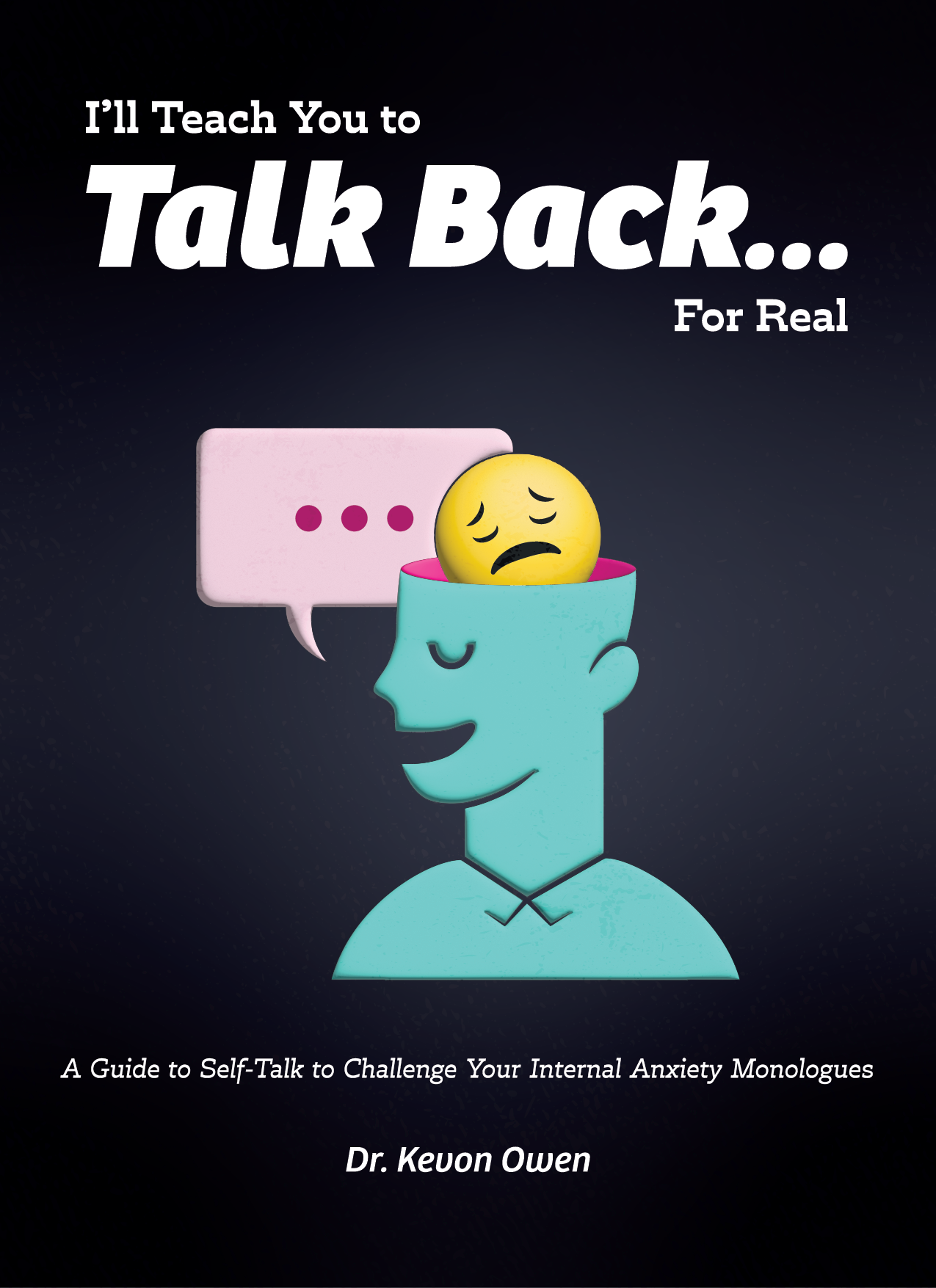
Depression is one of the most common mental health conditions in the United States, yet it remains one of the most misunderstood. Millions of people live with depression for months or even years before recognizing it for what it is — or before reaching out for the support they deserve. Understanding the signs of depression and knowing when professional help is warranted can be genuinely life-changing.
This article covers the most important warning signs of depression, explains how clinical depression differs from ordinary sadness, and outlines what to expect when seeking help from a qualified therapist or counselor in Oklahoma City.
What Is Depression? A Brief Overview
Depression — formally known as major depressive disorder (MDD) — is a mood disorder characterized by persistent feelings of sadness, emptiness, or hopelessness that significantly interfere with daily life. It is not simply a matter of willpower or attitude. Depression involves real changes in brain chemistry, thought patterns, and physical functioning.
According to the National Institute of Mental Health (NIMH), an estimated 21 million adults in the U.S. experienced at least one major depressive episode in 2021 alone. Depression can affect anyone regardless of age, background, faith, or circumstance.
It is also important to understand that depression exists on a spectrum. Some people experience mild but persistent symptoms, a condition known as persistent depressive disorder (dysthymia), while others face severe episodes that make daily functioning extremely difficult.
Sadness vs. Clinical Depression: Understanding the Difference
Grief, disappointment, and emotional pain are natural parts of life. Not every period of low mood signals a clinical condition. The key distinctions between normal sadness and depression include:
Duration: Ordinary sadness tends to lift over days or weeks, often tied to a specific event. Depression persists for two weeks or longer and may occur without a clear trigger.
Intensity: Sadness can coexist with moments of joy. Clinical depression often brings a pervasive numbness or emptiness that overshadows daily experience.
Functioning: Depression significantly impairs the ability to work, maintain relationships, and perform everyday tasks.
Physical symptoms: Depression frequently produces physical effects — fatigue, sleep disturbances, appetite changes — that sadness typically does not.
Understanding this distinction matters because it shapes how and when to seek help. A licensed mental health professional can provide the clarity that self-assessment alone cannot.
Common Signs of Depression to Watch For
Recognizing depression can be difficult because its symptoms vary from person to person. The American Psychological Association (APA) and the Diagnostic and Statistical Manual of Mental Disorders, Fifth Edition (DSM-5) identify the following as hallmark symptoms of major depressive disorder.
1. Persistent Low Mood or Emptiness
A lasting sense of sadness, emptiness, or hopelessness is often the most recognizable sign of depression. This feeling is not tied to a particular circumstance — it lingers regardless of what is happening in life. Many people describe it as feeling”“hollo”” or unable to access positive emotions.
2. Loss of Interest or Pleasure
One of the most telling signs of depression is anhedonia — the loss of interest or enjoyment in activities that once brought pleasure. Hobbies, socializing, creative pursuits, and even faith practices that used to be meaningful may feel flat or pointless.
3. Fatigue and Low Energy
Depression is physically exhausting. Even small tasks like getting out of bed, preparing a meal, or responding to a message can feel overwhelming. This fatigue is not resolved by sleep and tends to persist throughout the day.
4. Changes in Sleep Patterns
Both insomnia and hypersomnia (sleeping too much) are common in depression. Some people lie awake for hours unable to quiet their minds. Others sleep far longer than usual and still wake feeling unrefreshed.
5. Changes in Appetite and Weight
Depression frequently disrupts appetite. Some individuals lose interest in food entirely and experience significant weight loss. Others turn to food for comfort and notice unwanted weight gain. Neither pattern is a reflection of personal discipline — both are symptoms of a medical condition.
6. Difficulty Concentrating or Making Decisions
Depression can make it difficult to focus, remember information, or follow through on decisions. This cognitive fog often affects work performance, academic functioning, and the ability to manage daily responsibilities.
7. Feelings of Worthlessness or Excessive Guilt
People living with depression frequently struggle with distorted thinking about themselves — believing they are a burden, a failure, or fundamentally flawed. These thoughts feel convincing but are symptoms of the illness, not accurate reflections of reality.
8. Social Withdrawal
Isolation is both a symptom and a reinforcing factor in depression. Withdrawing from friends, family, faith communities, and social activities deprives individuals of the connection and support that can be protective during difficult seasons.
9. Irritability and Restlessness
Depression does not always look like sadness. For many people — particularly men and adolescents — depression manifests as irritability, frustration, or a low threshold for conflict. This presentation is often overlooked or misattributed to personality or stress.
10. Physical Aches and Pains
Headaches, back pain, digestive issues, and other unexplained physical symptoms are frequently associated with depression. The mind-body connection is real, and depression can express itself through the body when emotional pain goes unaddressed.
11. Thoughts of Death or Suicide
Recurring thoughts of death, dying, or suicide are a serious symptom that requires immediate attention. These thoughts may range from passive (wishing not to wake up) to more active ideation. Any level of suicidal thinking should be taken seriously and addressed with a mental health professional right away.
If you or someone you know is in immediate danger, call or text 988 to reach the Suicide and Crisis Lifeline.
Depression Across the Lifespan
Depression presents differently depending on age and life stage. Recognizing how it manifests across the lifespan helps ensure that no one is overlooked.
Children and adolescents may not have the language to describe their emotional experience. Depression in younger individuals often looks like irritability, school refusal, declining grades, social withdrawal, or unexplained physical complaints.
Adults typically experience the classic presentation described above, though men are more likely to present with anger, substance use, or risk-taking behavior rather than openly expressing sadness.
Older adults may minimize or deny depressive symptoms due to generational attitudes about mental health. Depression in this population is also frequently underdiagnosed because its symptoms overlap with grief, chronic illness, and cognitive decline.
When It Is Time to Get Help
Recognizing that something is wrong is the first step. But knowing when to act on that recognition is equally important. Here are clear indicators that it is time to reach out to a professional counselor or psychotherapist.
Symptoms have lasted two weeks or longer without improvement.
Daily functioning — at work, school, or home — has been noticeably disrupted.
Relationships are suffering as a result of mood, irritability, or withdrawal.
Attempts at self-help (exercise, rest, prayer, social connection) have not provided relief.
Thoughts of self-harm or suicide have occurred, even briefly.
Alcohol or substance use has increased as a way of coping.
A trusted person in your life has expressed concern about your well-being.
Waiting for depression to resolve on its own is a common but costly mistake. Left untreated, depression tends to deepen and become more difficult to address over time. Early intervention leads to better outcomes. The Substance Abuse and Mental Health Services Administration (SAMHSA) consistently emphasizes that depression is highly treatable with the right professional support.
People Also Ask About Depression
What are the early warning signs of depression?
Early warning signs include persistent low mood, a loss of interest in previously enjoyable activities, sleep disturbances, fatigue, difficulty concentrating, and a growing sense of hopelessness. These signs often appear gradually and may be easy to dismiss at first. Tracking them over time and discussing them with a professional provides the clearest picture.
Can depression be treated without medication?
Yes. Many individuals achieve significant and lasting improvement through psychotherapy alone. Evidence-based approaches such as cognitive behavioral therapy (CBT), interpersonal therapy, and faith-integrated counseling have strong research support. Medication may be recommended in some cases, particularly for moderate to severe depression, but it is not the only path to recovery.
How long does depression last if untreated?
An untreated depressive episode can last anywhere from several months to years. Some individuals experience recurrent episodes throughout their lives. Treatment significantly shortens episode duration and reduces the likelihood of recurrence.
Is it possible to have depression without feeling sad?
Yes. Some people with depression primarily experience emotional numbness, physical exhaustion, or irritability rather than overt sadness. This is especially common in men and adolescents. The absence of visible sadness does not rule out a depressive disorder.
Does Kevon Owen offer depression counseling in Oklahoma City?
Yes. Kevon Owen provides Christian counseling and clinical psychotherapy in Oklahoma City, working with individuals navigating depression, anxiety, grief, and relationship challenges. Appointments are available at 10101 South Pennsylvania Avenue C, Oklahoma City, Oklahoma 73159. Contact the practice at 405-740-1249 or 405-655-5180 to schedule.
What to Expect When Seeking Counseling for Depression
Many people delay seeking help because they are unsure what the process looks like. Understanding what to expect can make that first step feel less daunting.
An initial session typically involves a conversation about current symptoms, personal history, and goals for treatment. There is no need to have everything figured out beforehand — thcounselor’s’s role is to help create clarity.
Effective treatment for depression often combines talk therapy, coping skills development, and — for those whose faith is central to their lives — a spiritual framework that brings additional meaning and support to the healing process. Faith-based counseling integrates clinical tools with the values and beliefs that matter most to the individual.
Progress is rarely linear. Healing from depression takes time and looks different for everyone. What matters is having the right support and a consistent, compassionate guide through the process.
Find Depression Counseling in Oklahoma City
Depression is not a character flaw, a spiritual failure, or a condition to simply endure. It is a treatable illness, and reaching out for help is a sign of strength — not weakness.
Kevon Owen Christian Counseling Clinical Psychotherapy OKC provides skilled, compassionate care for individuals ready to take that step. Located conveniently in Oklahoma City and serving surrounding communities, including Edmond, Yukon, Moore, and Norman, the practice offers a safe, judgment-free space where healing can begin.
Ready to Take the Next Step?
Kevon Owen Christian Counseling Clinical Psychotherapy OKC
10101 South Pennsylvania Avenue C
Oklahoma City, Oklahoma 73159
Phone: 405-740-1249 | 405-655-5180
Reach out today to schedule a confidential appointment. Support is available — and healing is possible.