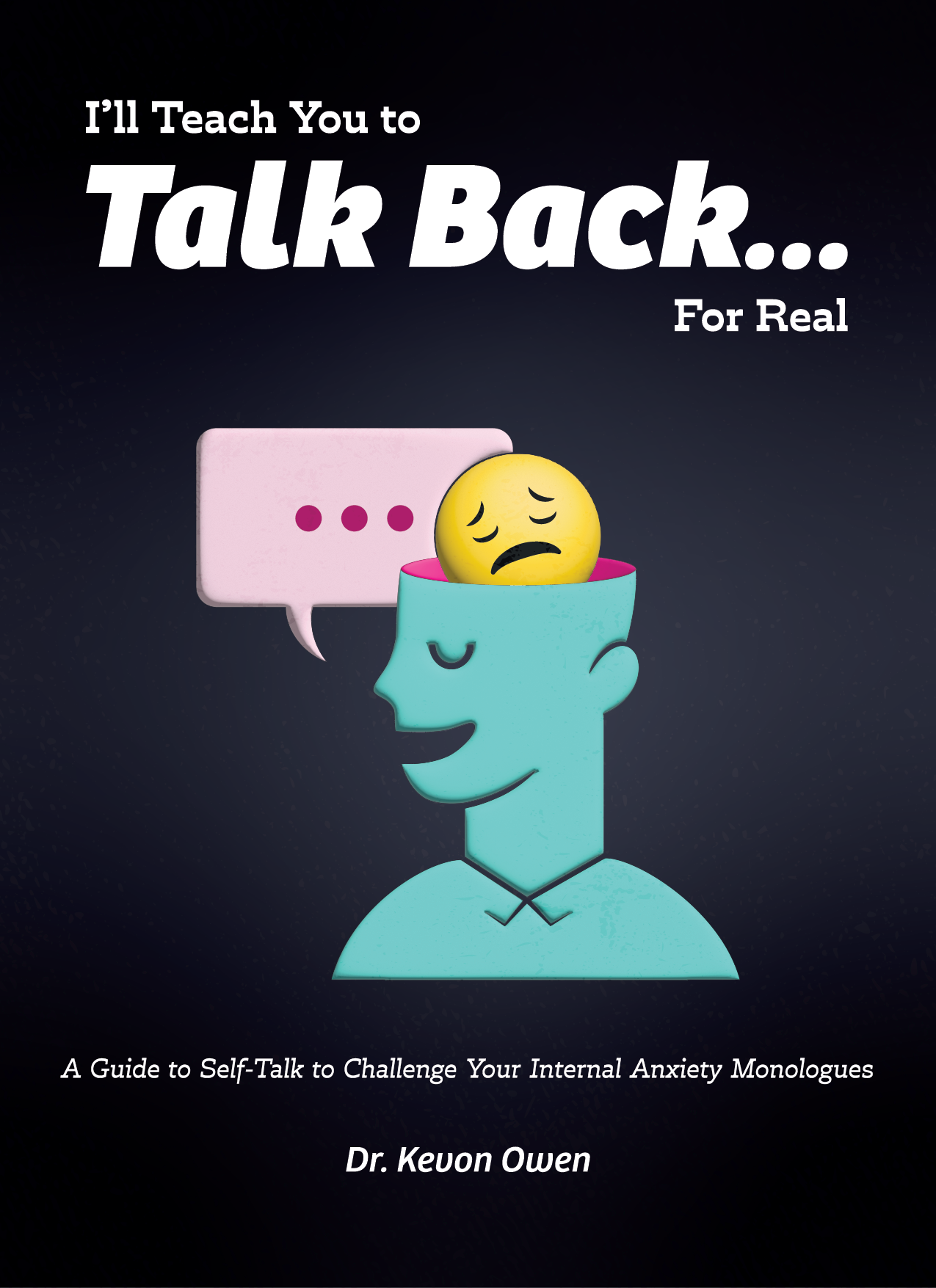

Exercise Helps Us Manage Anxiety and Depression
Exercise is often touted for its physical benefits, such as weight management, improved cardiovascular health, and enhanced muscular strength. However, its impact on mental health, particularly in managing anxiety and depression, is equally significant. Understanding how exercise contributes to mental well-being can empower individuals to incorporate physical activity into their routines as a viable strategy for mental health management.
The Connection Between Exercise and Mental Health
Anxiety and depression are two of the most common mental health disorders affecting millions worldwide. These conditions can be debilitating, affecting daily functioning and overall quality of life. As research has shown, exercise can play a crucial role in alleviating symptoms associated with these disorders.
Biological Mechanisms
One primary way exercise helps manage anxiety and depression is through its effect on brain chemistry. Physical activity boosts the production of endorphins, the body’s natural mood elevators. These chemicals help induce feelings of happiness and euphoria. Additionally, exercise increases levels of neurotransmitters like serotonin and norepinephrine, which are known to combat symptoms of depression.
Exercise also promotes neurogenesis, the growth of new neurons in the brain, particularly in areas typically affected by depression, such as the hippocampus. This neuroplasticity enhances brain function and emotional regulation.
Psychological Benefits
Beyond the biological mechanisms, exercise offers several psychological benefits. Physical activity can provide a sense of accomplishment and improve self-esteem and self-worth. For individuals struggling with anxiety and depression, the ability to set and achieve exercise goals, no matter how small, can be incredibly empowering.
Exercise also acts as a distraction, providing a mental break from negative thoughts and worries that often accompany anxiety and depression. It offers a focused activity to help individuals shift their mindset and gain perspective.
Types of Exercise and Their Benefits
While any form of physical activity can be beneficial, certain types of exercise may be particularly effective in managing anxiety and depression.
Aerobic Exercise
Running, swimming, cycling, and dancing are excellent for raising the heart rate and boosting endorphin levels. Aerobic exercise has been extensively studied and is known to reduce anxiety levels and improve mood. Even moderate-intensity aerobic exercise, such as brisk walking, can benefit significantly.
Strength Training
Resistance training, such as weight lifting, has been shown to reduce symptoms of depression. Progressively lifting weights and achieving strength goals can be incredibly motivating and empowering. Strength training also helps improve body image and self-esteem, which can benefit mental health.
Mind-Body Exercises
Yoga, tai chi, and pilates combine physical movement with mindfulness and deep breathing. These practices are particularly effective for reducing stress and anxiety. The meditative aspects of these exercises promote relaxation and mental clarity, which can help manage symptoms of anxiety and depression.
Practical Tips for Incorporating Exercise into Your Routine
Starting and maintaining an exercise routine can be challenging, especially for individuals dealing with anxiety and depression. Here are some practical tips to help incorporate physical activity into daily life:
Start Small
Begin with short, manageable sessions of exercise. Even a 10-minute walk can provide mental health benefits. Gradually increase the duration and intensity as you become more comfortable.
Choose Enjoyable Activities
Find physical activities that you enjoy. Whether dancing, hiking, swimming, or playing a sport, engaging in activities you love will make it easier to stick to a routine.
Set Realistic Goals
Set achievable goals to avoid feeling overwhelmed. Celebrate small milestones to keep yourself motivated. Remember that any movement is better than none.
Make It Social
Exercise with friends or join a group class. Social interaction can provide additional mental health benefits and make training more enjoyable.
Incorporate Movement into Daily Life
Look for opportunities to be active throughout the day. Take the stairs instead of the elevator, walk or bike to nearby destinations, or do stretching exercises during breaks.
Overcoming Barriers to Exercise
Despite the known benefits, many individuals with anxiety and depression may find it challenging to start or maintain an exercise routine. Common barriers include lack of motivation, fatigue, and feelings of hopelessness. Here are some strategies to overcome these obstacles:
Seek Professional Help
Consider working with a mental health professional or a physical trainer who can provide guidance and support tailored to your needs. Therapy can help address underlying issues hindering your ability to exercise.
Use Technology
Many apps and online resources offer workout routines, track progress, and provide motivational support. These tools can help you stay committed and accountable.
Be Patient and Compassionate
Understand that managing anxiety and depression is a journey. There will be good days and bad days. Be kind to yourself and acknowledge your efforts, no matter how small.
Final Thoughts
Exercise is a powerful tool for managing anxiety and depression. Through its biological and psychological benefits, physical activity can help alleviate symptoms, improve mood, and enhance overall mental health. By finding enjoyable activities, setting realistic goals, and overcoming barriers, individuals can harness the power of exercise to support their mental well-being. Remember, the journey to mental health is ongoing, and incorporating regular physical activity is a significant step towards a healthier, happier life.
For counseling services, visit https://www.kevonowen.com or call 405-740-1249 or 405-655-5180.