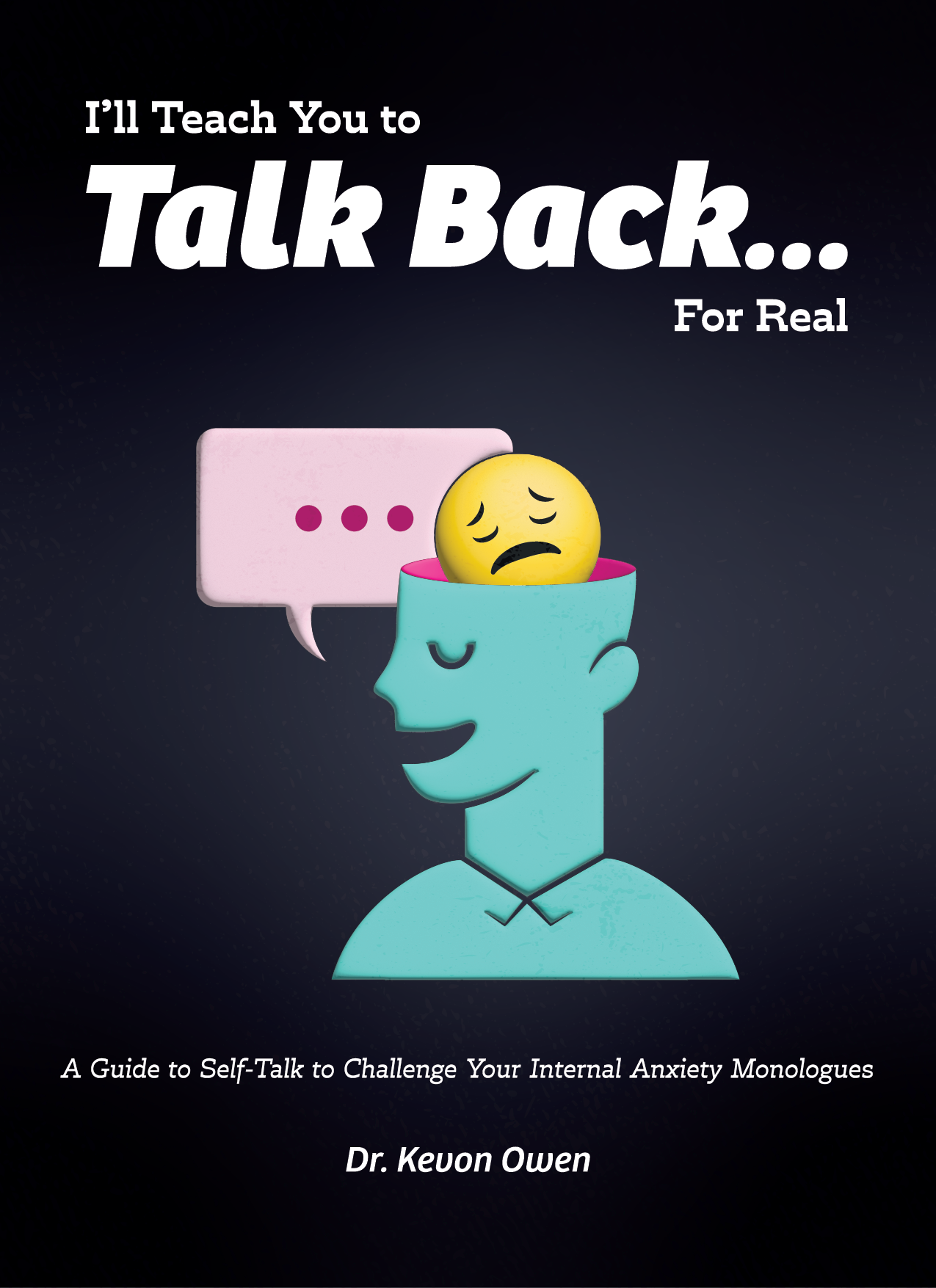
Negative self-talk is an internal narrative that can be incredibly damaging to our self-esteem, mental health, and overall quality of life. It’s that inner voice that whispers — or sometimes shouts — criticisms, doubts, and fears. If left unchecked, this negative dialogue can shape our self-perception and influence our interactions with the world around us. The good news is that, with intentional practice, we can learn to recognize and rewrite this internal script, thereby fostering a healthier and more compassionate relationship with ourselves.
Understanding Negative Self-Talk
Negative self-talk often arises from past experiences, social conditioning, and internalized beliefs. It can manifest in various forms, such as:
-
Personalizing: Blaming yourself for everything that goes wrong.
-
Filtering: Focusing only on the negative aspects of a situation.
-
Catastrophizing: Expecting the worst-case scenario in every situation.
-
Polarizing: Seeing things in black and white with no middle ground.
These patterns, while common, are not harmless. They can contribute to anxiety, depression, stress, and relationship difficulties. By becoming aware of these thought patterns, you can begin to challenge their validity and impact.
The Impact of Negative Self-Talk
The effects of negative self-talk are far-reaching. Emotionally, it can lead to feelings of worthlessness, hopelessness, and chronic dissatisfaction. Physically, it can contribute to fatigue, tension, and a weakened immune system due to prolonged stress. Socially, it may cause you to withdraw, fearing judgment or rejection.
More importantly, negative self-talk reinforces a limiting belief system. If you constantly tell yourself that you’re not good enough, not smart enough, or not capable, you’re likely to avoid challenges, miss opportunities, and settle for less than you deserve.
Recognizing Your Inner Critic
The first step in handling negative self-talk is recognizing it. This involves increasing your awareness of your inner dialogue and identifying when and how negative thoughts arise. Ask yourself:
-
What are the recurring themes in my self-talk?
-
When do these thoughts usually occur?
-
How do they make me feel?
Journaling can be a helpful tool for tracking these thoughts. By writing them down, you externalize your inner dialogue, making it easier to analyze and challenge.
You may also notice that your inner critic adopts the tone or language of someone from your past—a critical parent, a harsh teacher, or a toxic relationship. This realization can be eye-opening and may provide clues to the origin of your self-talk patterns.
Rewriting the Script
Once you’re aware of your negative self-talk patterns, the next step is to actively work on changing them. Here are several strategies to help rewrite your inner dialogue:
1. Challenge the Thought
Could you ask yourself whether the thought is actual? What evidence do you have to support or refute it? Would you say the same thing to a friend in your situation?
If the thought is exaggerated or irrational, replace it with a more balanced perspective. For example, change “I always fail” to “Sometimes things don’t work out, but I’m learning and improving.”
2. Reframe the Statement
Turn negative statements into neutral or positive ones. Instead of saying, “I always mess things up,” try, “I made a mistake, but I can learn from this.”
Reframing doesn’t mean denying the difficulty of a situation. It means choosing to view it through a lens that empowers growth rather than reinforces shame.
3. Practice Self-Compassion
Be kind to yourself. Acknowledge your struggles without harsh judgment. Say, “This is hard, and I’m doing my best,” rather than, “I should be handling this better.”
Self-compassion involves treating yourself with the same kindness and understanding you would offer a loved one. It’s recognizing that being imperfect, failing, and experiencing difficulties is part of being human.
4. Use Affirmations
Affirmations are positive statements that can help counteract negative thoughts and emotions. Repeat phrases like “I am worthy,” “I am capable,” and “I am enough,” especially during difficult times.
To make affirmations more effective, tailor them to your specific struggles and say them out loud in front of a mirror. Engage emotionally with the statements rather than reciting them mechanically.
5. Limit Exposure to Triggers
Identify people, environments, or media that reinforce negative self-perceptions and try to minimize their influence. Surround yourself with supportive, encouraging individuals.
Digital consumption also plays a role here. Curate your social media to include accounts that inspire and uplift rather than promote unrealistic comparisons.
6. Seek Professional Help
A counselor can help you explore the roots of your negative self-talk and develop tailored strategies to address it. Therapy provides a safe space to explore and process complex emotions, fostering healthier thought patterns.
Professional guidance is essential if your inner critic is rooted in trauma, chronic anxiety, or long-term depression. A therapist can introduce cognitive-behavioral techniques, mindfulness strategies, and even EMDR or narrative therapy when appropriate.
Building a Positive Inner Dialogue
Creating a supportive inner voice takes time and consistency. Here are some practices to help maintain a positive internal dialogue:
-
Gratitude Journaling: Write down things you’re grateful for each day to shift focus from what’s wrong to what’s right.
-
Mindfulness Meditation: Practice being present in the moment to reduce rumination and judgment.
-
Celebrate Small Wins: Acknowledge and appreciate your progress, no matter how small.
-
Set Realistic Goals: Break larger tasks into manageable steps to build confidence and reduce overwhelm.
Over time, positive self-talk can become a more natural habit. Start each day with a moment of intention, such as reviewing your affirmations or planning one small act of self-care.
Teaching Others (and Yourself) Empathy
Negative self-talk isn’t just an individual issue—it can be modeled and passed on to others, especially children. By modeling positive self-talk, you help those around you, including family members and coworkers, learn healthier ways of thinking. Practice speaking kindly about yourself out loud. Over time, this not only changes how you feel internally but also influences how others perceive and treat you.
This modeling can be powerful in parenting and leadership roles. When children see adults navigating challenges with grace and positive internal dialogue, they are more likely to develop resilience and self-worth.
When Setbacks Happen
Changing thought patterns doesn’t happen overnight. You will likely face setbacks. Negative self-talk may creep in during stressful times or moments of failure. When it does, treat it as a signal, not a sentence. It’s an opportunity to pause, reflect, and realign.
Ask yourself:
-
What triggered this thought?
-
How can I respond with understanding instead of criticism?
-
What do I need right now to feel supported?
Creating a self-compassion plan can be helpful on difficult days. Could you include comforting activities, a list of supportive contacts, and reminders of past successes? Preparation can make a significant difference when your mindset starts to falter.
Final Thoughts
Rewriting your inner dialogue is not about ignoring problems or pretending everything is perfect. It’s about creating a balanced and compassionate narrative that empowers you, rather than holding you back. You deserve to be spoken to with kindness, especially by yourself.
If negative self-talk has been a persistent issue, you don’t have to face it alone. Professional counseling can provide the support and tools you need to foster meaningful change.
For counseling services, visit https://www.kevonowen.com or call now. 405-740-1249 or 405-655-5180. If you have received counseling in person or virtually and have benefited from it, please visit this link and share your experience. https://g.page/r/CaOlcK_-FzYGEAI/review.
For counseling services, visit https://www.kevonowen.com or call now. 405-740-1249 or 405-655-5180.