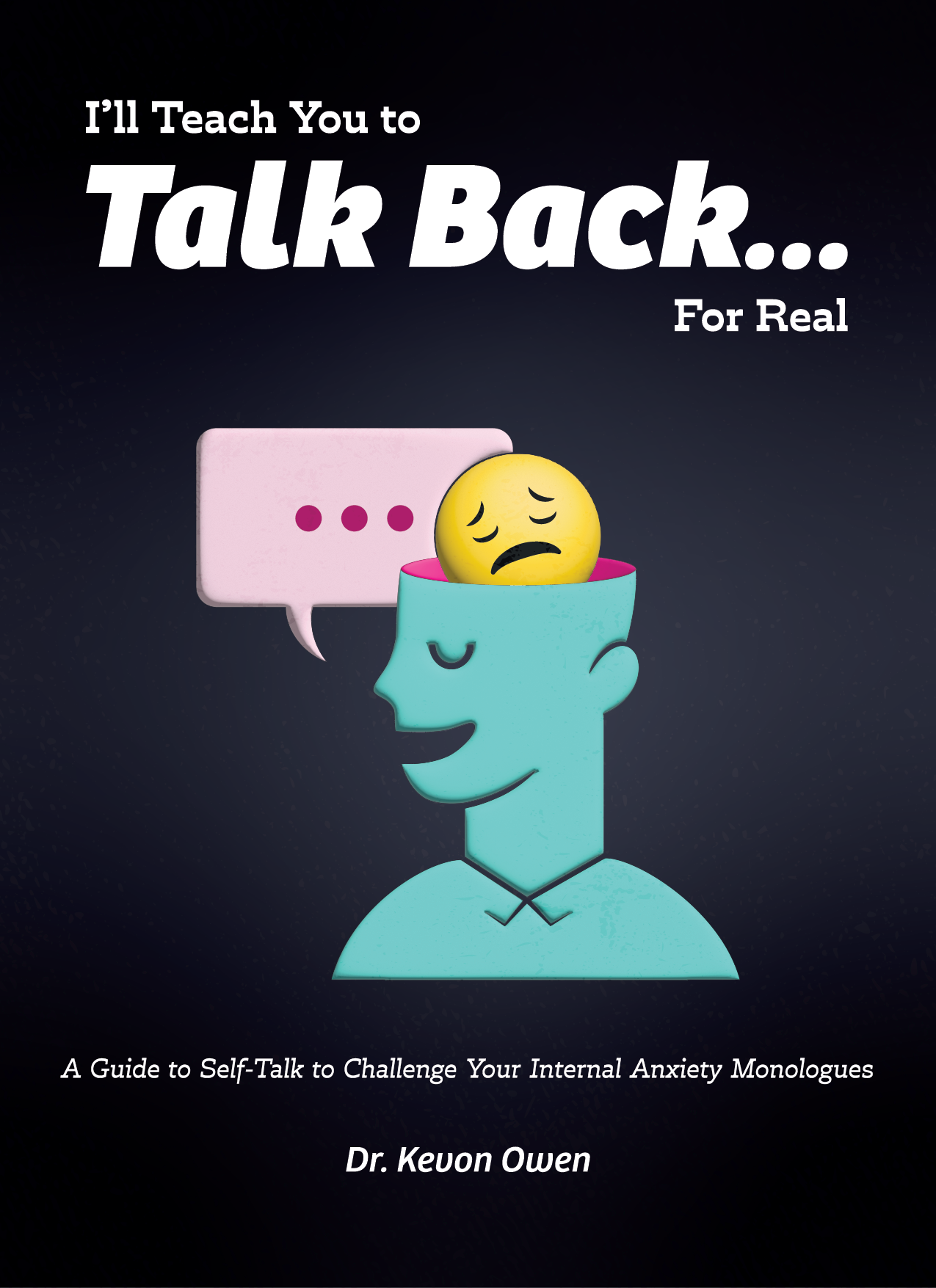
Managing Financial Stress: Tips for Emotional Well-Being
Money worries touch every part of life. They affect sleep, mood, and relationships. They shape choices at work and at home. This guide gives you calm, precise steps to reduce financial stress and protect your emotional health. You will learn fast relief tools, a simple budget you can keep, and steady habits that work in the real world.
Why Financial Stress Feels So Heavy
Money stress blends math and emotion. Bills, debt, or uncertain income signal risk. Your body reacts. Heart rate rises. Muscles tense. Thoughts race. That response helps in short bursts. Over time, it grinds you down. Worry grows. Sleep slips. Small problems feel huge.
There is a way through. Work the problem on two tracks. First, calm your nervous system so your mind can think. Second, take small, steady money actions that build control. Together, they lower stress and restore hope.
How Money Stress Shows Up Day to Day
Stress about money often shows in subtle ways. You check your bank app ten times a day. You delay opening mail. You snap at loved ones over small things. You avoid social plans due to costs. You toss and turn at night and feel foggy the next morning. These signals are not moral failings. They are messages from your body asking for safety and a plan.
Track One: Emotional Tools That Tame Anxiety
1) The five-minute reset
Set a timer. Sit upright. Inhale for four, exhale for six. Repeat for five minutes. Or take a short walk. Or say a prayer. Or write one page. Keep it simple. Daily resets tell your body, “We are safe enough to think.”
2) The 90-second wave
When panic hits, name it: “Fear is here.” Breathe slowly. Feel your feet on the floor. Most strong feelings crest and fade in about a minute and a half if you allow them. After the wave, make one small move on your plan.
3) Replace shame with accuracy
Shame says, “I’m terrible with money.” Accuracy says, “My income is $3,100. My minimums are $420. I will call the utility and set a plan.” Accuracy unlocks action. Speak to yourself like you would to a friend.
4) Limit inputs, lower noise
Pick two set windows for news and social feeds. Outside those times, use focus mode. Lower input reduces worry loops and saves time for what matters.
5) Anchor to values
Write three values that guide your life. Family. Faith. Service. Health. When you choose how to spend, save, or say no, line up with those values. Meaning eases doubt and second-guessing.
6) Sleep as a stress tool
Set a steady bedtime. Dim screens an hour before sleep. Keep the room cool and dark. If thoughts race, do a “worry dump” on paper, then set it aside. Better sleep sharpens choices and mood.
Track Two: A Simple Budget You’ll Actually Keep
Step A: Map money in and out
Open the last two months of statements. List all income. List fixed costs first: rent, phone, utilities, transport, insurance, and minimum debt payments. Then list variable costs: food, gas, small buys, child needs, and extras. This first pass can be rough. A draft is fine.
Step B: Group by purpose
Make four buckets: Needs (must pay), Debts (minimums), Goals (starter savings), and Flex (the rest). Assign every dollar to a bucket. If Flex is tight, you will see it clearly. That clarity helps you adjust without shame.
Step C: Pick one small win
Choose the lowest-effort, best-impact change. Cancel a duplicate subscription. Switch to a lower-cost plan. Cook one extra dinner at home per week. Or bring lunch twice a week. Small wins build belief and momentum.
Step D: Build a $500 starter cushion
Emergency funds reduce anxiety. Aim for $500 first. Auto-transfer $10–$25 per payday to a separate savings. Treat it like a bill to your future self. This buffer turns many crises into simple tasks.
Step E: Automate the basics
Set auto-pay for minimums to avoid fees. Auto-save a small amount each payday. Review once a month. Adjust based on real numbers, not guesswork.
Debt, Interest, and a Plan You Can Keep
Interest can turn a bump into a sinkhole. List debts by rate and by balance. You have two solid paths. The avalanche focuses on the highest rate first to save money. The snowball clears the smallest balance first to boost morale. Pick the one you will stick with. If you are behind, call each lender. Ask about hardship plans, reduced rates, or waived fees. Many will help if you reach out early.
Financial Triage: What To Pay First When Cash Is Tight
Safety comes first. Keep housing and basic utilities on. Keep transport running so you can get to work and care for family. Pay minimums to avoid default. If you must choose, call providers before due dates. Explain your plan. Set a payment date you can meet. Document each call. This calm, direct approach preserves options and reduces stress.
Work, Income, and Flexible Ways to Stabilize
A budget is easier when income is steady. Ask about extra shifts or cross-training at work. Consider low-cost skill upgrades that raise pay over time. Track true hourly pay for any side work, including fuel and time. Say yes to work that moves you toward your values and long-term goals. Say no to chaos that drains you without a fair return.
Money and Relationships: Fighting Fair About Finances
Money fights can hurt closeness. Hold a weekly “money meeting.” Keep it to 20–30 minutes. Start with one praise each. Review the budget. Pick one change. If tension rises, pause for 20 minutes and return. Use “I” statements. Stay on one topic at a time. If the same fight returns, couples counseling can help you learn calm, respect, and teamwork under stress.
Faith, Community, and Meaning
Many people draw strength from faith during hard seasons. Prayer, scripture, and support from a caring community can steady the heart. They remind you that your worth is never tied to your net worth. Blending faith with sound mental health tools gives both comfort and direction.
Red Flags: When to Seek Professional Help
Reach out for counseling if money stress triggers panic, constant worry, or deep sadness. Watch for ongoing insomnia, rising conflict, or numbing with alcohol or substances. Don’t wait for a crisis. Early support is easier and often faster.
Seven-Day Reset Plan (Quick Start)
Day 1: Write all worries on one page. Circle what you can act on this week.
Day 2: Draft your four buckets: Needs, Debts, Goals, Flex.
Day 3: Make one call to a lender or utility. Ask for a plan or lower fee.
Day 4: Cut one recurring cost. Set a reminder to review it in 30 days.
Day 5: Start a small auto-transfer to your cushion. Even $10 counts.
Day 6: Practice the five-minute reset twice. Please let me know how the choices feel easier.
Day 7: Hold a 20-minute review. One praise. One tweak. One next step.
Keep Momentum: Monthly 30-Minute Tune-Up
Once a month, update your totals. Adjust auto-pays and auto-saves. Scan for new leaks in spending. Revisit your values list. If stress spikes, go back to basics: breath, body, and one small step. Progress beats perfection every time.
Clear Answers
How does financial stress affect mental health?
It raises anxiety, tension, and sleep problems. It can strain focus and relationships. Calming the body first makes planning and problem-solving much easier.
What’s the fastest way to feel relief?
Do a five-minute breath reset. Then list your top five bills with due dates. Pay one or call to set a plan. Quick action lowers fear fast.
Should I pay debt or save first?
Start both. Build a $500–$1,000 cushion while making minimums. After that, send extra to the highest-rate debt or the smallest balance—whichever you will keep doing.
How can couples stop money fights?
Hold weekly money meetings with clear rules. No blame. Short agenda. Timeouts when needed. If patterns repeat, see a couples therapist for skills and structure.
When should I see a counselor about money stress?
Seek help if stress harms sleep, mood, work, or your relationship. If shame or fear keeps you stuck, counseling can help you move forward with calm and clarity.
Helpful Resources
American Psychological Association: Stress
National Institute of Mental Health: Publications
Consumer Financial Protection Bureau: Budgeting Tools
Mayo Clinic: Stress Relief
Wikipedia: Financial stress
Local Spotlight: Support in Oklahoma City
Skilled, caring support makes a big difference. A counselor helps you calm the body, think clearly, and take steady steps. If you are in the Oklahoma City area, help is close by and tailored to your needs and values.
Call to Action
Kevon Owen – Christian Counseling – Clinical Psychotherapy – OKC offers counseling for stress, anxiety, and relationship concerns. Take a calm next step today.
Address: 10101 S Pennsylvania Ave C, Oklahoma City, OK 73159
Phone: 405-655-5180 | 405-740-1249
Website: www.kevonowen.com