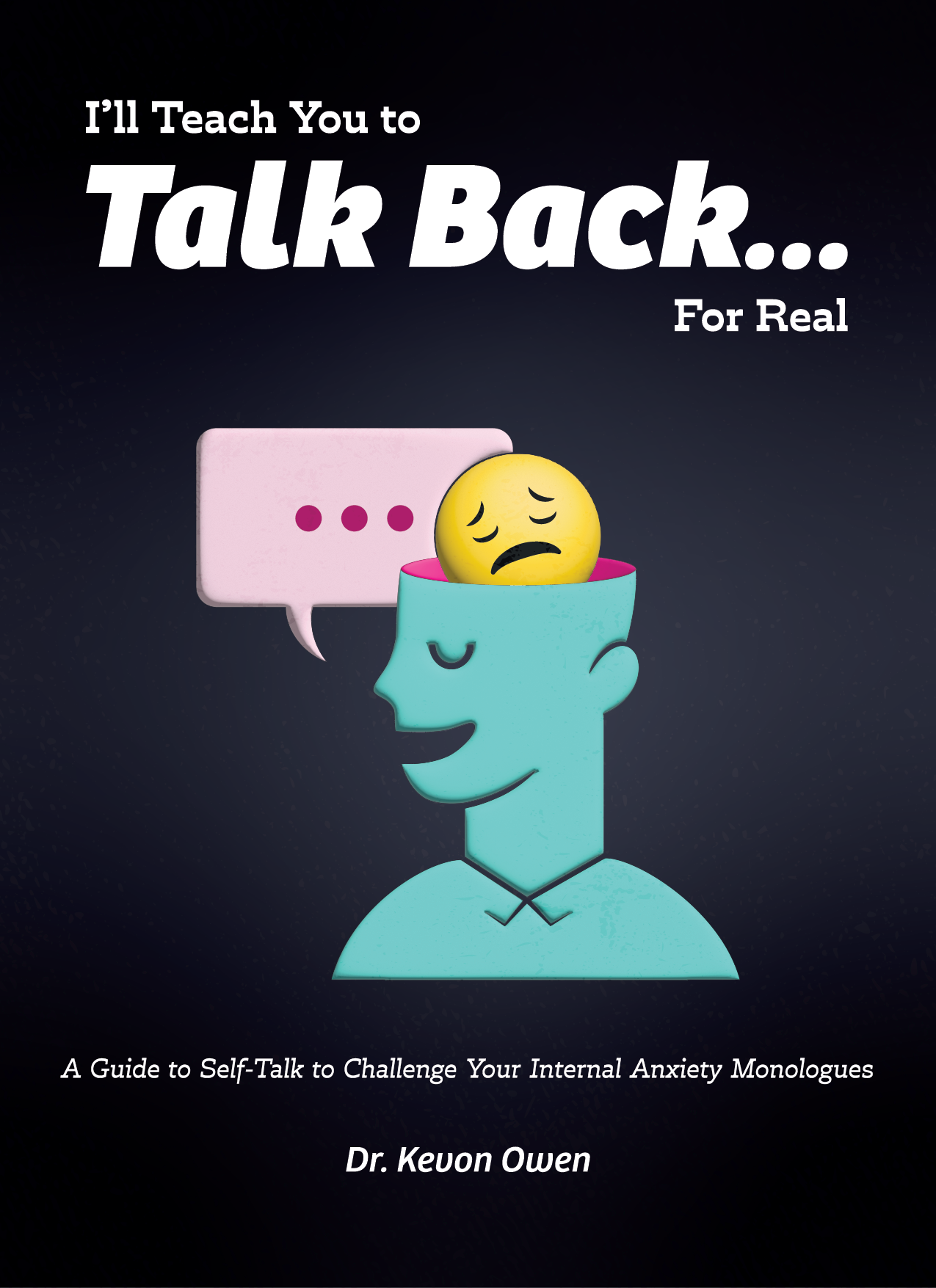

Post-Traumatic Stress Disorder: The Role of Counseling in Healing
Post-Traumatic Stress Disorder (PTSD) is a mental health condition that affects millions of people worldwide. It is characterized by the presence of intense, disturbing thoughts and feelings related to a traumatic event or series of events. These experiences can range from combat exposure to natural disasters or personal assaults. PTSD does not discriminate, impacting people of all ages, genders, and backgrounds. The psychological and emotional toll of PTSD can be devastating, but there is hope. Counseling, among other treatment modalities, is crucial in helping patients recover from this debilitating condition.
Understanding PTSD
PTSD is often associated with individuals who have experienced or witnessed a traumatic event. These events could include warfare, violent attacks, serious accidents, or even long-term exposure to stress. Symptoms of PTSD typically fall into four categories:
Intrusive Thoughts: Recurrent, involuntary, and distressing memories or nightmares related to the traumatic event.
Avoidance: Efforts to avoid trauma reminders, including places, people, or activities associated with the event.
Negative Changes in Mood or Thoughts: Persistent and distorted beliefs about oneself or others, emotional numbing, or an inability to experience positive emotions.
Hyperarousal: Increased alertness, irritability, difficulty concentrating, and being easily startled.
PTSD can impair daily functioning and severely impact a person’s quality of life. Traditional treatment options include medication, but increasingly, counseling has become recognized as a critical component in the recovery process.
The Role of Counseling in Treating PTSD
Counseling, or psychotherapy, is widely acknowledged as one of the most effective treatments for PTSD. Through various therapeutic approaches, counseling can help individuals understand their trauma, develop coping mechanisms, and ultimately reclaim their lives.
Cognitive Behavioral Therapy (CBT): CBT is one of the most common forms of therapy used for PTSD. This structured, goal-oriented approach focuses on changing thinking patterns or behavior causing distress. In the context of PTSD, CBT helps individuals identify and modify maladaptive thoughts and behaviors related to the traumatic event.
Cognitive Processing Therapy (CPT): A type of CBT specifically designed for PTSD, CPT helps patients process and reframe negative beliefs about the trauma. By challenging distorted thinking patterns, individuals can change how they feel and respond to traumatic memories.
Prolonged Exposure (PE): Another form of CBT, PE, involves repeated exposure to the trauma memory or related triggers in a controlled environment. This exposure helps patients gradually reduce their fear and anxiety associated with the trauma.
Eye Movement Desensitization and Reprocessing (EMDR): EMDR is a specialized therapy that uses guided eye movements to help patients process and integrate traumatic memories. The process involves recalling distressing events while focusing on an external stimulus, which can help reduce the emotional intensity of the memory over time. EMDR is particularly effective for individuals who have difficulty verbalizing their trauma.
Group Therapy: Group therapy provides a supportive environment where individuals with similar experiences can share their stories and learn from one another. This form of treatment helps patients realize they are not alone, fosters community, and offers a space for collective healing.
Narrative Exposure Therapy (NET): NET is a form of exposure therapy that involves recounting a detailed narrative of one’s life, focusing on traumatic events. This therapy helps individuals contextualize their traumatic experiences within their broader life story, promoting understanding and integration of the trauma.
Benefits of Counseling for PTSD
Counseling offers numerous benefits for individuals with PTSD. These benefits extend beyond symptom relief and include the following:
Empowerment: Counseling helps individuals regain control over their lives. By addressing the trauma and learning coping strategies, patients can reduce the power of traumatic memories and regain a sense of agency.
Improved Relationships: PTSD often strains relationships. Counseling can help individuals communicate more effectively and manage interpersonal conflicts, leading to healthier relationships.
Enhanced Resilience: Individuals learn skills to manage stress and adversity through counseling. This enhanced resilience can protect against future mental health issues.
Emotional Regulation: Counseling helps individuals understand and regulate their emotions, reducing feelings of anger, fear, or sadness associated with PTSD.
Better Quality of Life: Ultimately, counseling aims to improve the overall quality of life for individuals with PTSD. By addressing the root causes of distress and promoting healing, counseling enables individuals to live more satisfying lives.
Challenges and Considerations
While counseling is highly effective for many individuals with PTSD, it’s essential to recognize that the path to healing is not always straightforward. Some challenges and considerations include:
Stigma: Mental health stigma can deter individuals from seeking help. Education and awareness are crucial in reducing this barrier.
Access to Care: Not everyone has access to quality mental health care. Expanding access to counseling services, particularly in underserved communities, is vital.
Individual Differences: Each person’s experience of trauma is unique. Therefore, counseling approaches must be tailored to individual needs and preferences.
Therapeutic Alliance: The relationship between the counselor and the patient is crucial for successful therapy. Building trust and rapport takes time, but it is essential for effective treatment.
Post-Traumatic Stress Disorder is a challenging condition, but with proper treatment, individuals can recover and lead fulfilling lives. Counseling plays a pivotal role in this process, offering a range of therapeutic approaches that address the diverse needs of patients. By providing a safe space to process trauma, learn coping strategies, and foster resilience, counseling empowers individuals with PTSD to heal and move forward. Through continued efforts to improve access to care and reduce stigma, more people can benefit from the transformative power of counseling in overcoming PTSD.
For PTSD treatment and therapy, visit https://www.kevonowen.com or call 405-740-1249 or 405-655-5180.