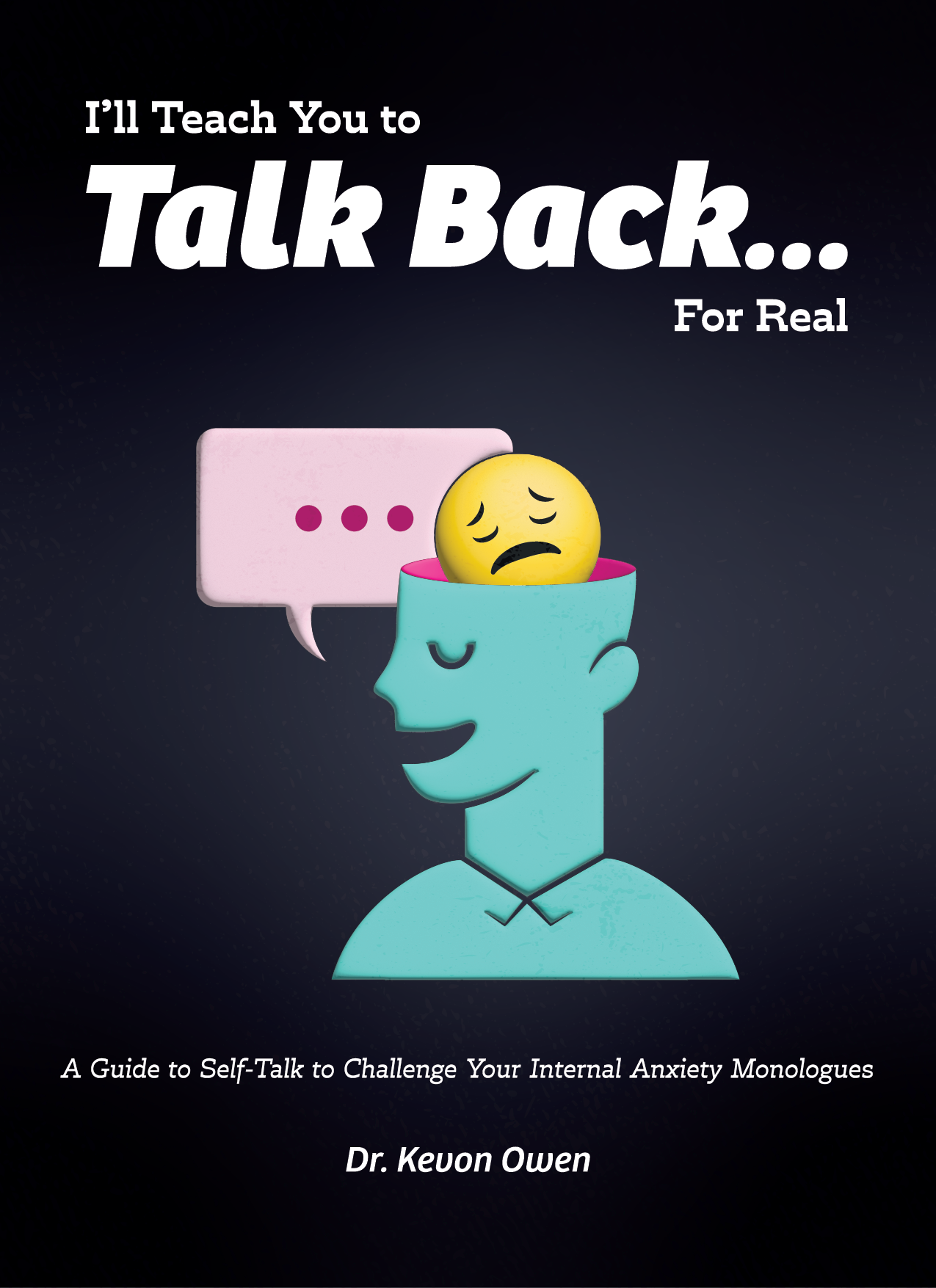

Racing Thoughts: Understanding and Managing an Overactive Mind
Racing thoughts are a common experience for many people, often occurring during stress, anxiety, or excitement. These rapid, uncontrollable thoughts can make concentrating, sleeping, and managing daily activities difficult. While everyone may experience racing thoughts occasionally, for some, they can be a chronic issue that significantly impacts their mental health and well-being. Understanding the nature of racing thoughts, their causes, and effective management strategies is crucial for individuals struggling with this challenge.
What Are Racing Thoughts?
Racing thoughts refer to a state in which an individual’s mind is flooded with a continuous stream of rapid thoughts that can be difficult to control. These thoughts may cover a range of topics, often unrelated or only loosely connected, and can create a sense of mental chaos. This phenomenon can be particularly distressing when it interferes with the ability to focus, relax, or sleep.
Common Characteristics of Racing Thoughts
Speed and Volume: Thoughts come quickly and often feel overwhelming in quantity and intensity.
Incoherence: The thoughts may jump from one topic to another without a clear logical progression.
Repetitiveness: Certain thoughts may repeat themselves, creating a loop of worry or concern.
Difficulty Concentrating: The sheer volume and speed of thoughts can make it hard to focus on a single task or conversation.
Physical Sensations: Racing thoughts can accompany physical symptoms such as increased heart rate, sweating, or restlessness.
Causes of Racing Thoughts
Racing thoughts can be triggered by various factors, both psychological and physiological. Understanding these causes can help identify appropriate management strategies.
Anxiety and Stress: High levels of stress and anxiety are among the most common causes of racing thoughts. When the mind is preoccupied with worry or fear, controlling the flow of thoughts can become difficult.
Sleep Disorders: Conditions like insomnia or sleep apnea can contribute to racing thoughts, mainly when lying in bed trying to fall asleep.
Mental Health Conditions: Racing thoughts are often associated with mental health disorders such as generalized anxiety disorder (GAD), bipolar disorder, and attention deficit hyperactivity disorder (ADHD).
Substance Use: The use of certain substances, including caffeine, nicotine, and some medications, can exacerbate racing thoughts. Similarly, withdrawal from substances like alcohol or drugs can also trigger this symptom.
Life Transitions: Significant life changes, whether positive or negative, can lead to racing thoughts. This includes starting a new job, moving to a new place, or experiencing a loss.
The Impact of Racing Thoughts
Racing thoughts can have a profound impact on various aspects of an individual’s life, including:
Sleep: One of the most common complaints associated with racing thoughts is difficulty sleeping. The inability to quiet the mind can lead to insomnia, which in turn affects overall health and well-being.
Mental Health: Persistent racing thoughts can exacerbate mental health conditions, leading to increased anxiety, depression, and a feeling of being overwhelmed.
Productivity: Difficulty concentrating and focusing can impair an individual’s ability to complete tasks efficiently, affecting academic, professional, and personal responsibilities.
Relationships: The preoccupation with internal thoughts can make engaging fully in social interactions challenging, potentially straining relationships with family and friends.
Strategies to Manage Racing Thoughts
Managing racing thoughts involves a combination of lifestyle changes, therapeutic techniques, and, in some cases, medication. Here are some effective strategies:
Mindfulness and Meditation: Practicing mindfulness and meditation can help calm the mind and reduce the intensity of racing thoughts. Deep breathing, progressive muscle relaxation, and guided imagery can be beneficial.
Cognitive Behavioral Therapy (CBT): CBT is a form of psychotherapy that helps individuals identify and challenge negative thought patterns. By restructuring these thoughts, individuals can reduce the frequency and impact of racing thoughts.
Regular Exercise: Physical activity is a natural stress reliever that can help clear the mind and reduce anxiety. Aim for at least 30 minutes of moderate exercise most days of the week.
Healthy Sleep Hygiene: Establishing a regular sleep routine, creating a relaxing bedtime environment, and avoiding stimulants like caffeine can improve sleep quality and reduce racing thoughts at night.
Limit Stimulants: Reducing the intake of caffeine, nicotine, and other stimulants can help manage racing thoughts. Be mindful of when and how much you consume these substances.
Journaling: Writing down thoughts before bed or during times of stress can help release them from the mind and provide relief. This practice can also help identify recurring themes or concerns that must be addressed.
Professional Help: If racing thoughts are persistent and significantly impact daily life, seeking help from a mental health professional is essential. Therapists can provide tailored strategies and, if necessary, medication to help manage the condition.
Mindful Activities: Engaging in activities that promote mindfulness, such as yoga, tai chi, or creative arts, can help focus the mind and reduce the chaos of racing thoughts.
When to Seek Help
While occasional racing thoughts are every day, it’s essential to seek professional help if:
Frequency and Intensity: Racing thoughts occur frequently and are intense, making it difficult to function daily.
Impact on Sleep: They significantly interfere with falling or staying asleep.
Emotional Distress: The thoughts cause significant emotional distress or lead to feelings of hopelessness and depression.
Impairment: They impair the ability to perform daily activities, maintain relationships, or meet work or school responsibilities.
Final Thoughts
Racing thoughts can be a distressing experience that affects various aspects of life. Understanding the causes and implementing effective management strategies can help individuals regain control over their thoughts and improve their mental health. By incorporating mindfulness practices, seeking therapeutic support, and making lifestyle changes, those struggling with racing thoughts can find relief and achieve a more balanced and peaceful state of mind.
For counseling services, please get in touch with https://www.kevonowen.com. Or call 405-740-1249 or 405-655-5180.