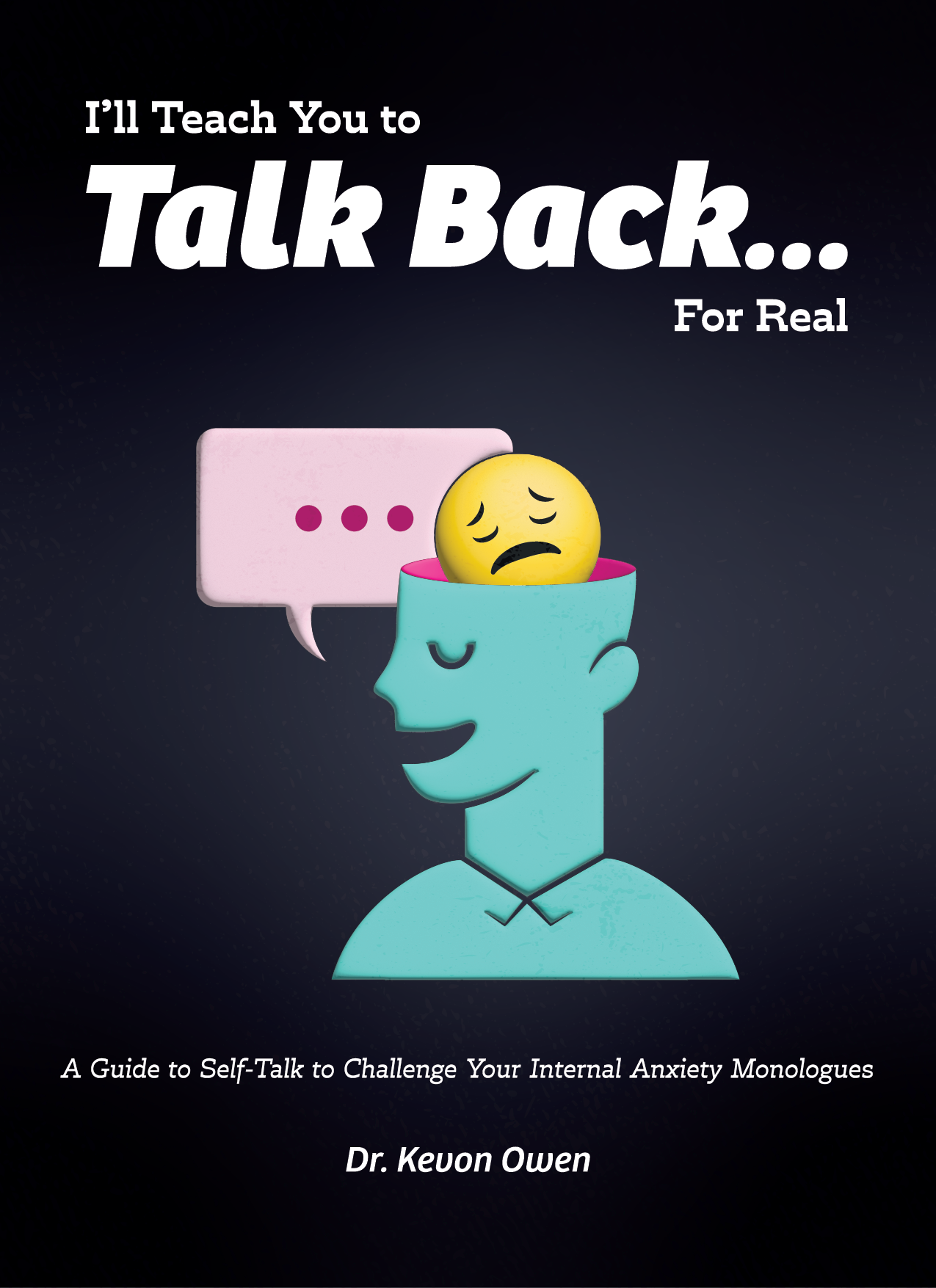

When Our Mental Health Affects Our Physical Health
Mental health and physical health are deeply interconnected. Our mental state can significantly impact our physical well-being and vice versa. Understanding the psychological and physical health relationship is crucial for overall wellness. This article explores how mental health affects physical health, the mechanisms behind this connection, and strategies for maintaining a balanced mind and body.
The Connection Between Mental and Physical Health
The mind and body are not separate entities but parts of a complex, integrated system. Mental health issues can manifest physically, just as physical ailments can affect mental well-being. Several mechanisms explain this intricate relationship:
Stress Response: Chronic stress triggers the release of stress hormones like cortisol and adrenaline. While these hormones are essential for short-term survival, prolonged exposure can lead to various health issues, including hypertension, cardiovascular diseases, and weakened immune function.
Inflammation: Mental health conditions, such as depression and anxiety, are associated with increased levels of inflammation in the body. Inflammation is a natural immune response, but chronic inflammation can contribute to diseases like diabetes, cancer, and autoimmune disorders.
Behavioral Factors: Mental health issues can lead to behaviors that negatively impact physical health. For instance, depression and anxiety may result in poor diet, lack of exercise, substance abuse, and disrupted sleep patterns, all of which can contribute to physical health problems.
Common Physical Symptoms of Mental Health Issues
Mental health issues can manifest in various physical symptoms, making it essential to recognize these signs to seek appropriate treatment. Some common physical symptoms associated with mental health problems include:
Chronic Pain: Conditions such as depression and anxiety are often linked to chronic pain, including headaches, back pain, and muscle aches. The pain may have no apparent physical cause, but it can be debilitating.
Gastrointestinal Problems: Stress, anxiety, and depression can lead to digestive issues like irritable bowel syndrome (IBS), nausea, diarrhea, and constipation. The gut-brain axis, a communication network between the gut and the brain, plays a significant role in this connection.
Cardiovascular Issues: Mental health conditions can increase the risk of heart disease. Anxiety and depression are linked to higher blood pressure, heart palpitations, and an increased risk of heart attacks and strokes.
Weakened Immune System: Chronic stress and depression can weaken the immune system, making individuals more susceptible to infections and illnesses.
Fatigue: Mental health disorders often cause persistent fatigue and low energy levels, even with adequate rest.
Sleep Disturbances: Insomnia, excessive sleep, and disrupted sleep patterns are common in individuals with mental health issues. Poor sleep quality can exacerbate both psychological and physical health problems.
Specific Mental Health Conditions and Their Physical Effects
Different mental health conditions can impact physical health in various ways. Understanding these effects can help manage mental and physical well-being.
Depression:
Cardiovascular Health: Depression is linked to an increased risk of heart disease and stroke. The stress hormones released during depressive episodes can damage blood vessels and the heart.
Weight Changes: Depression can lead to significant weight gain or loss due to changes in appetite and eating habits.
Chronic Pain: Individuals with depression often experience unexplained aches and pains, which can become chronic.
Anxiety:
Gastrointestinal Issues: Anxiety can cause stomachaches, nausea, and IBS. The gut-brain connection means that anxiety can significantly affect digestive health.
Respiratory Problems: Anxiety can lead to rapid, shallow breathing, and panic attacks can cause hyperventilation and shortness of breath.
Heart Problems: Chronic anxiety is linked to higher heart rates, increased blood pressure, and a greater risk of heart disease.
Post-Traumatic Stress Disorder (PTSD):
Chronic Pain: people living with PTSD often experience chronic pain, which can be a result of the body’s heightened stress response.
Sleep Disorders: Nightmares, insomnia, and restless sleep are common in individuals with PTSD, affecting overall physical health.
Substance Abuse: PTSD can lead to self-medication with drugs or alcohol, leading to addiction and further health issues.
Bipolar Disorder:
Weight Fluctuations: Mood swings can lead to changes in appetite and eating habits, causing weight gain or loss.
Cardiovascular Issues: The stress associated with manic and depressive episodes can increase the risk of cardiovascular problems.
Metabolic Syndrome: Bipolar disorder is linked to metabolic syndrome, a cluster of conditions including high blood pressure, high blood sugar, and abnormal cholesterol levels.
Strategies for Maintaining Mental and Physical Health
Maintaining a balance between mental and physical health requires a holistic approach. Here are some strategies to promote overall well-being:
Regular Exercise is a powerful tool for improving mental and physical health. Exercise releases endorphins, which enhance mood and reduce stress. It also improves cardiovascular health, strengthens the immune system, and helps maintain a healthy weight.
Healthy Diet: Nutrition plays a critical role in mental health. A balanced diet of fruits, vegetables, whole grains, lean proteins, and healthy fats can improve mood and energy levels. Avoiding excessive sugar, caffeine, and alcohol is also beneficial.
Adequate Sleep: Prioritizing sleep is essential for overall health. Establish a regular sleep routine, create a restful environment, and avoid stimulants like caffeine before bedtime. Quality sleep helps regulate mood, reduce stress, and improve physical health.
Stress Management: Incorporate stress-reducing practices into your daily routine. Techniques such as mindfulness, meditation, yoga, and deep breathing exercises can help manage stress and reduce its physical impact.
Social Connections: Building and maintaining strong social connections can significantly improve mental health. Supportive relationships provide emotional support, reduce feelings of isolation, and promote a sense of belonging.
Professional Help: Seeking help from mental health professionals, such as therapists or counselors, can provide valuable support and treatment for mental health issues. They can offer coping strategies, therapy, and medication management if necessary.
Regular Check-Ups: Regular medical check-ups can help identify and address health issues early. Inform your healthcare provider about any mental health concerns, as they can provide comprehensive care that considers both psychological and physical health.
Mind-Body Practices: Mind-body practices like tai chi, qigong, or guided imagery can help improve mental and physical health by promoting relaxation, reducing stress, and enhancing overall well-being.
The Role of Healthcare Providers
Healthcare providers are crucial in recognizing and addressing mental and physical health interplay. They can:
Screen for Mental Health Issues: Regular screenings for depression, anxiety, and other mental health conditions can help identify issues early and provide timely intervention.
Integrated Care: Collaborative care models integrating mental health services into primary care can provide comprehensive treatment for patients, addressing mental and physical health needs.
Patient Education: Educating patients about the connection between mental and physical health can empower them to take proactive steps in managing their overall well-being.
Support and Referrals: Healthcare providers can offer support and referrals to mental health specialists, support groups, and community resources to help patients manage their conditions effectively.
Final Thoughts
The connection between mental and physical health is undeniable and complex. Mental health issues can manifest in various physical symptoms and contribute to chronic health conditions. Recognizing the signs and understanding the mechanisms behind this connection is crucial for effective management. Individuals can balance their mental and physical health by adopting a holistic approach that includes regular exercise, a healthy diet, adequate sleep, stress management, and professional support. Healthcare providers also play a vital role in this process, offering integrated care and support to ensure comprehensive wellness. Taking proactive steps to manage mental health can improve physical health and quality of life.
To get counseling for this, visit https://www.kevonowen.com or call 405-740-1249 or 405-655-5180.